
Best Turkish Cotton Towels: What Makes Them So Special?
The Art of Living in Turkey contains affiliate links and is a member of the Amazon Services LLC Associates Program. If you make a purchase using one of these Amazon links, I may receive compensation at no extra cost to you. See my Disclaimers for more information.
Want to find the best Turkish cotton towels?
After years of living in Turkey, visiting countless hammams, and testing everything from cheap tourist-shop peştamals to beautifully handwoven organic towels, I’ve learned there’s a massive difference in quality.
One of my first experiences after moving to Istanbul was visiting a traditional Turkish hammam. What started as a way to relax in a chaotic city eventually became a monthly ritual and introduced me to the world of Turkish towels, known locally as peştamals.
At first, I didn’t understand how something so lightweight could absorb water so well while drying so quickly. But after using Turkish towels for years at home, at the beach, while traveling, and in hammams, I finally understood why people become so loyal to them.
In this guide, I’ll explain what makes Turkish cotton so special, how it compares to Egyptian cotton, how to choose a high-quality towel, and why authentic handwoven Turkish towels feel completely different from mass-produced versions.
What Is Turkish Cotton?
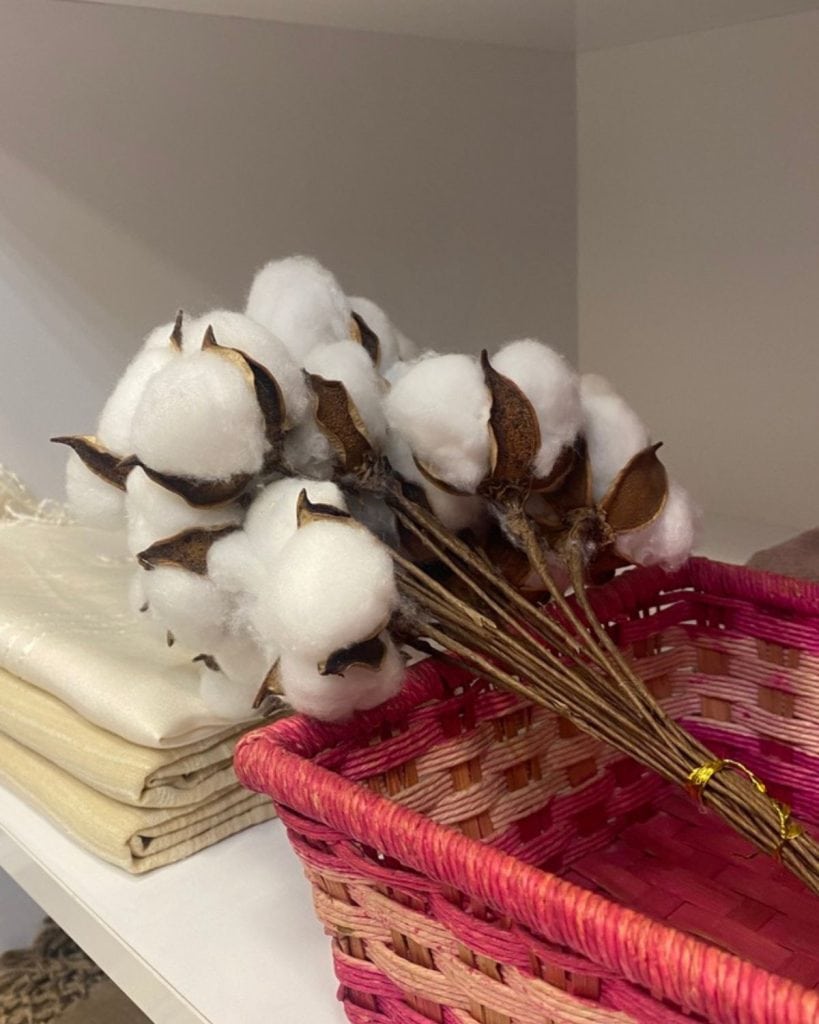
Turkish cotton is a premium cotton grown primarily in the Aegean region of Turkey and is known for its extra-long fibers.
Those long fibers are what give Turkish cotton its signature softness, durability, and absorbency. Because there are fewer fiber connections in the fabric, the material feels smoother and softer while still remaining strong over time.
Turkish cotton towels are also prized for their ability to absorb water well while drying faster than many traditional towels.
That combination of softness, quick drying, and long-term durability is a big reason Turkish cotton has become so popular in luxury towels, robes, bedding, and hammam textiles around the world.
What Are Turkish Towels (Peştamals)?
Turkish towels, traditionally called peştamals, are lightweight flat-woven towels that have been used in Turkish hammams for centuries.
Originally, they were designed for the humid hammam environment where people needed something absorbent that could also dry quickly between uses.
Unlike thick terry cloth towels common in many Western countries, peştamals are, thinner, more compact, lightweight, and much easier to carry.
One of my first experiences after moving to Istanbul was visiting a traditional hammam, and it’s actually where I first became obsessed with Turkish towels.
At first, I didn’t understand how something so lightweight could work so well. But after using one regularly, I quickly understood why people swear by them.
Today, Turkish towels are used for everything from beach trips and yoga classes to scarves, picnic blankets, and lightweight travel towels because they fold down so compactly.
Because they fold down so compactly, they’re especially popular for travel and beach trips.
Why Are Turkish Cotton Towels So Popular?
After using Turkish towels for years both at home and while traveling, I completely understand why people love them so much.
Quick Drying
One of the biggest advantages is how quickly Turkish towels dry. Because they’re lightweight and breathable, they absorb water well without staying damp for hours afterward.
That faster drying time also helps prevent the musty smell thicker towels sometimes develop.
Great for Travel
Traditional peştamals fold down surprisingly small, making them ideal for travel, beach days, hammams, gym bags, and picnics.
I’ve espeically love using them at the beach. They absorb water so well as well and handle the sand pretty well.
They’ve also become one of my favorite gifts to bring back when visiting friends and family abroad because they pack so easily in a suitcase and feel much more unique than typical tourist souvenirs.
Soft but Durable
High-quality Turkish cotton towels are known for becoming softer over time rather than rougher.
A well-made towel can last for years, especially if it’s made from organic long-fiber cotton instead of cheaper factory-made materials. Organic towels tend to stay softer and maintain their absorbency better over time.
Compact Storage
Another underrated benefit is storage space. Flat-woven Turkish towels are much less bulky than standard bath towels, which makes them easier to store in smaller bathrooms, apartments, or linen closets.
Quality Makes a Huge Difference
Not all Turkish towels are the same.
I’ve learned there’s a massive difference between a cheap tourist-shop towel and a high-quality handwoven Turkish towel. The better ones stay soft, absorbent, and get better with time.
The more I’ve used Jennifer’s Hamam’s towels over the years, the softer and more absorbent they’ve become.
Turkish Cotton vs Egyptian Cotton
Turkish cotton and Egyptian cotton are both considered premium cotton varieties, but they’re designed for slightly different purposes.
Turkish cotton is known for its long fibers, which create towels that are lightweight and quick drying. That balance is a big reason Turkish towels are so popular for hammams, travel, beaches, and everyday use.
Egyptian cotton is also made from long-staple fibers, but it tends to be thicker, denser, and heavier overall. While that can make it feel extremely luxurious in bedding, it also means Egyptian cotton towels usually take longer to dry.
Turkish Cotton
I personally prefer Turkish cotton for towels because they feel practical while still being soft and luxurious. The towels are typically:
- lighter weight
- faster drying
- more compact
- highly absorbent
- great for travel and humid climates
Egyptian Cotton
The fabric made from this usually feels denser and heavier than Turkish cotton. Egyptian cotton is often preferred for:
- thick plush towels
- luxury hotel bedding
- heavy bath linens
- ultra-soft sheets
Which Is Better?
It really depends on what you want.
Turkish cotton is usually the better choice if you want towels that dry quickly, store compactly, and work well for travel, beach trips, or traditional hammam use.
They’re lightweight while still being highly absorbent, which is one of the reasons they’ve remained so popular for centuries.
Egyptian cotton may appeal more to you if you prefer extra-thick towels, heavier fabrics, or plush luxury-style bedding that feels dense and ultra-soft.
Organic vs. Non-Organic Turkish Cotton
Not all Turkish cotton towels are made the same, and one of the biggest differences is whether the cotton is organic or non-organic.
Organic Turkish cotton is grown without harsh chemicals or synthetic pesticides, making it a more environmentally friendly option and often gentler on sensitive skin.
In my experience, high-quality organic Turkish towels also tend to:
- absorb water better
- dry faster
- stay softer longer
- and resist that musty smell cheaper towels sometimes develop
Non-organic towels may feel soft initially, but lower-quality factory-made versions can become rougher, less absorbent, and slower to dry over time.
If you’re investing in Turkish cotton because you want something long-lasting and luxurious, the quality of the cotton itself makes a huge difference.
Handwoven vs. Factory-Made Turkish Towels
After living in Turkey for years, I’ve realized there’s a huge difference between a traditional handwoven Turkish towel and a mass-produced factory version.
At first glance they can look fairly similar, especially in tourist shops, but once you start using them regularly, the quality difference becomes much more noticeable.
Handwoven Turkish Towel
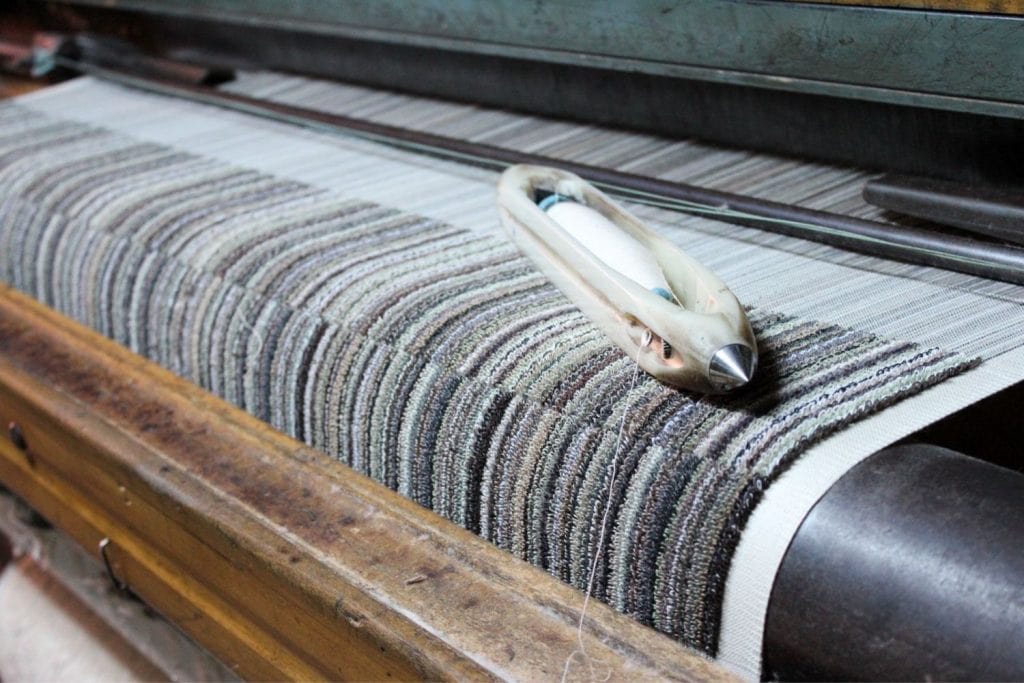
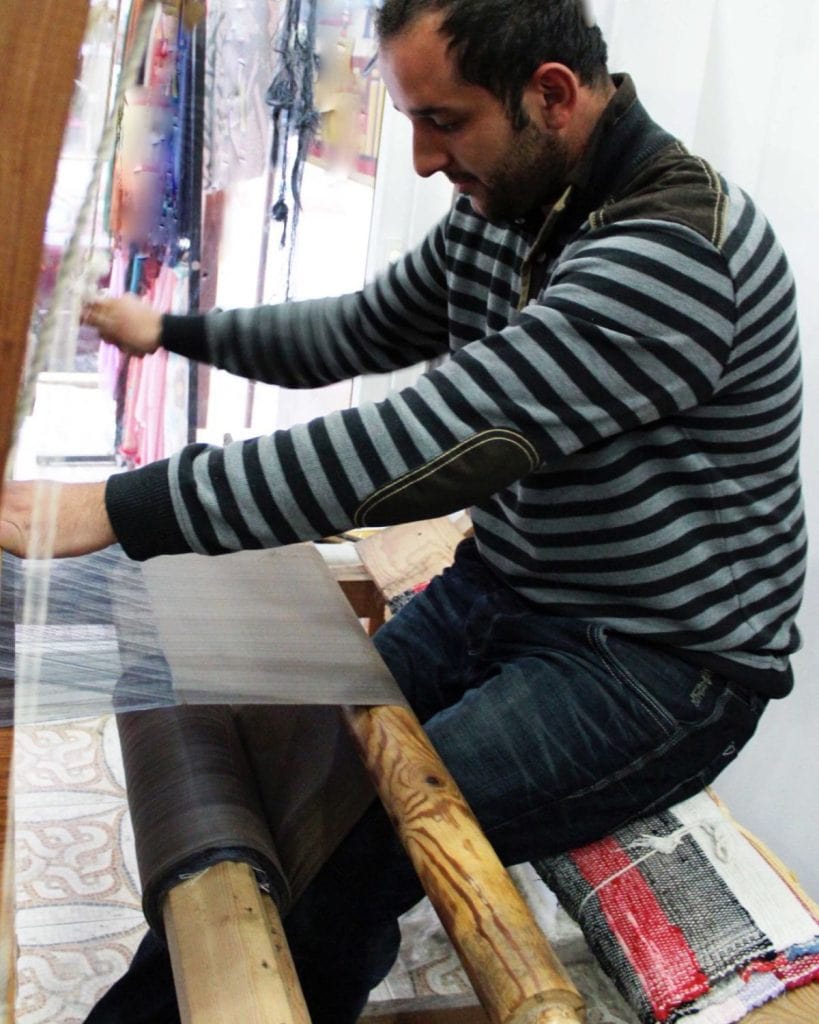
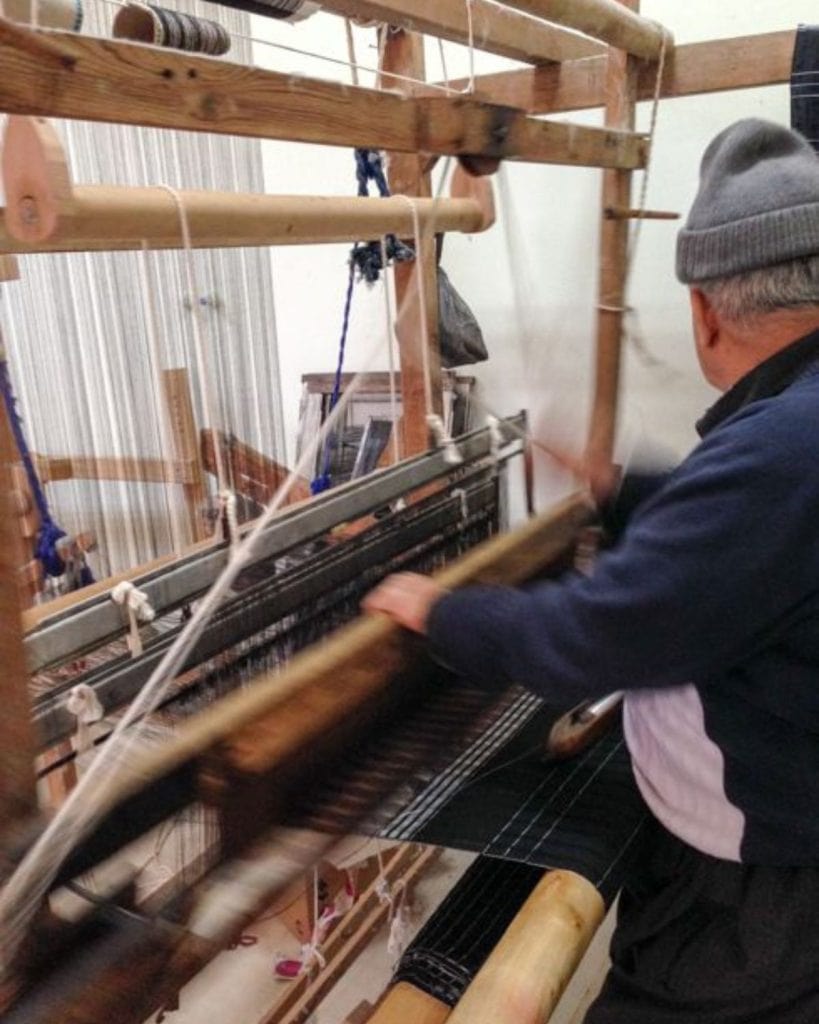
Traditional handwoven towels are made using weaving techniques that have been passed down for generations.
One of the hallmarks of Turkish towels is the use of Ottoman-era weaving techniques refined over centuries. The result is a towel that feels lightweight and breathable while remaining highly absorbent and durable.
Compared to many mass-produced counterparts, handwoven Turkish towels also tend to feel softer, more breathable, and more comfortable over time.
Many also have slight variations in texture or pattern that make them feel more unique and handmade rather than perfectly uniform.
In my experience, handwoven towels also tend to improve with age. The more they’re washed and used, the softer they become.
Factory-Made Turkish Towels
Factory-made towels are much more common today and are usually less expensive. While some are still very good quality, many prioritize speed, lower production costs, and mass manufacturing over long-term durability and craftsmanship.
Over time, cheaper factory-made towels can become rougher, less absorbent, slower to dry, or stiff after repeated washing.
Why the Difference Matters
If you only want a basic towel for occasional use, a factory-made version may work perfectly fine.
But if you’re investing in Turkish cotton because you want something long-lasting, highly absorbent, and connected to traditional Turkish craftsmanship, a well-made handwoven towel is usually worth the difference.
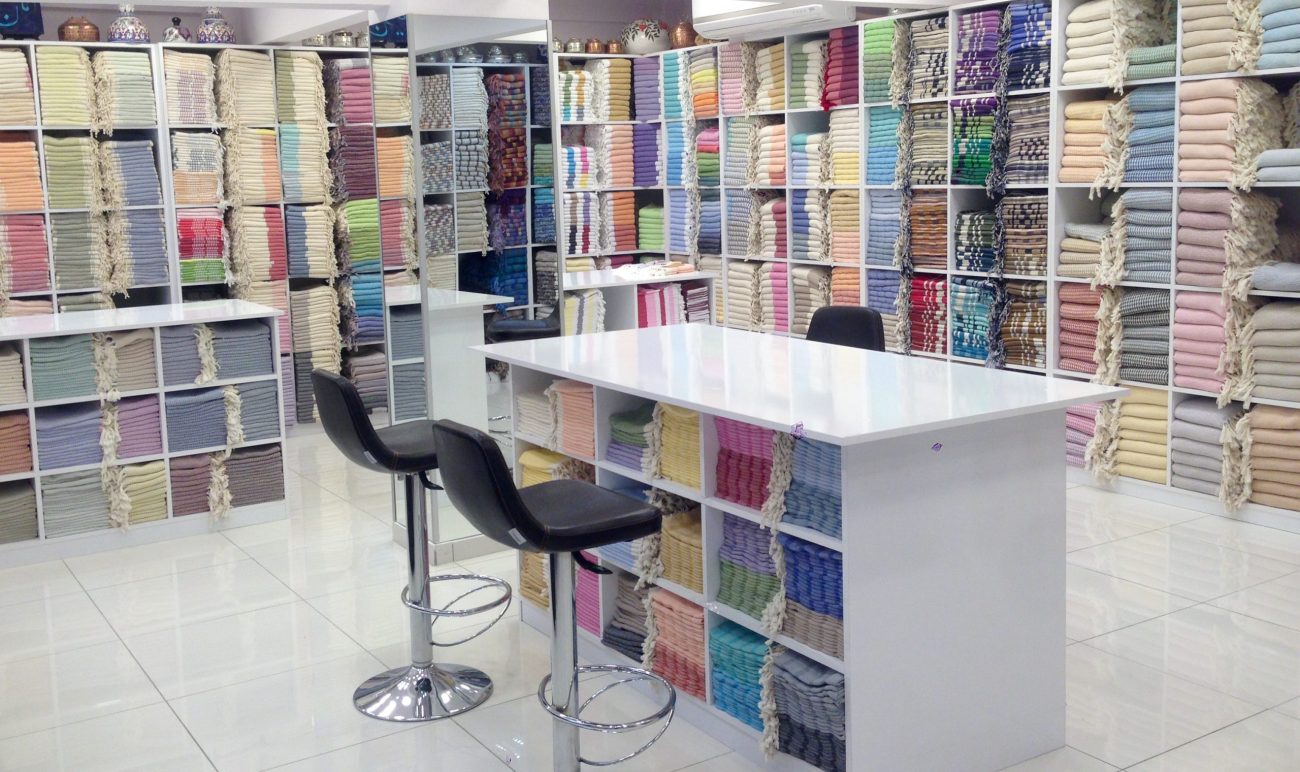
How to Choose a Quality Turkish Cotton Towel
Not all Turkish cotton towels are created equal. I have frequented the hamam monthly for years and tried different peshtamals. I’ve learned there’s a huge difference between a cheap tourist-shop towel and a truly high-quality Turkish towel.
Look for Long-Fiber Cotton
One of the biggest reasons Turkish cotton feels so soft is because of its extra-long fibers. Longer fibers create fabric that feels smoother and softer while also being more durable and absorbent over time.
Pay Attention to Organic Cotton
Organic Turkish cotton is usually a better long-term investment.
Organic towels have shown to have a history of staying softer longer, drying faster, absorbing water better, and resisting musty smells more effectively than cheaper non-organic alternatives.
Check Whether It’s Handwoven
Handwoven Turkish towels generally feel more breathable and durable than cheaper factory-made versions. They also tend to soften beautifully with repeated use and washing rather than becoming stiff over time.
Think About How You’ll Use It
Different towel styles work better for different situations.
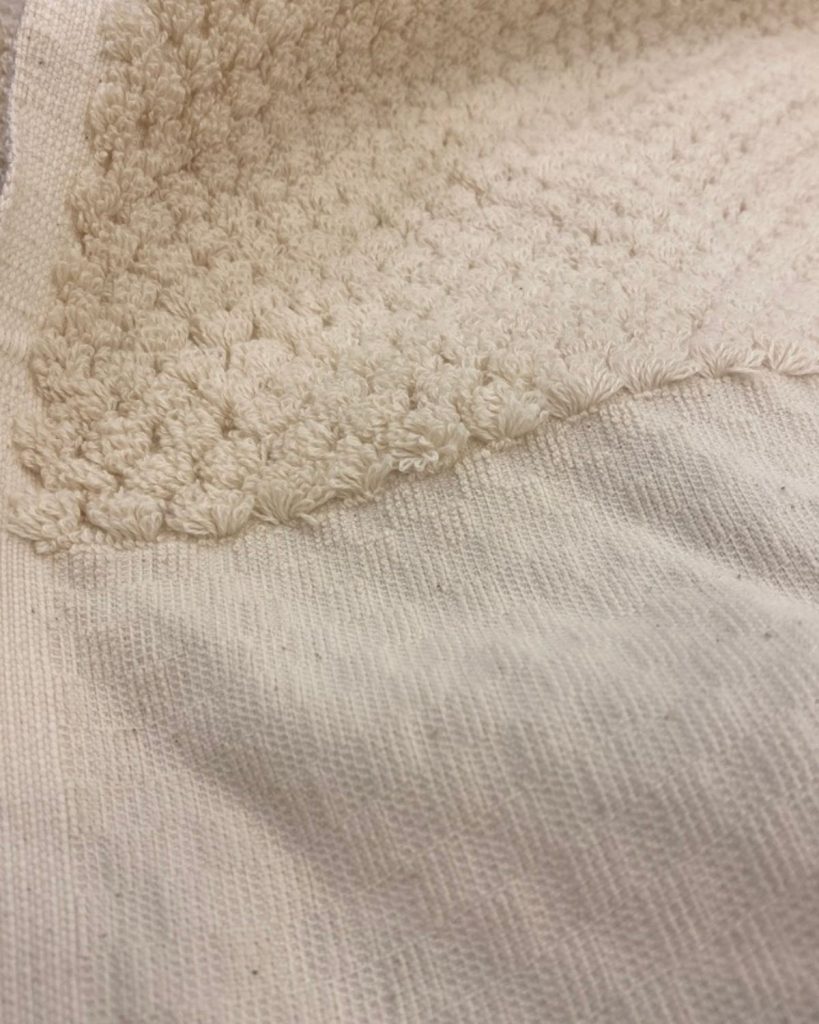
Thicker looped towels feel more plush and spa-like for everyday home use, while flat-woven peştamals are especially popular for travel, beach trips, hammams, and compact storage because they fold down so easily.
Don’t Assume Heavier Means Better
A lot of people expect luxury towels to feel thick and heavy, but traditional Turkish towels are intentionally lightweight.
A high-quality Turkish towel should absorb water well, dry relatively quickly, feel soft without being bulky, and continue improving with age and repeated use.
Sometimes the best-quality towels are actually the ones that feel simpler and more breathable at first touch.
Jennifer’s Hamam Review
After years of living in Turkey and trying countless Turkish towels, Jennifer’s Hamam is still the brand I personally trust most for high-quality organic Turkish cotton towels.
What originally impressed me wasn’t just the softness of the towels themselves, but the level of craftsmanship behind them. The shop focuses heavily on traditional weaving techniques, organic materials, and preserving a part of Turkish textile culture that is slowly disappearing.
Why I Like Jennifer’s Hamam
One thing I noticed quickly after using their towels regularly is how differently they perform compared to many cheaper factory-made versions.
With repeated washing and long-term use, the towels get softer, learn to be more absorbent, and are always fast drying.
I also appreciate their focus on GOTS-certified organic cotton, traditional handweaving methods, and working directly with Turkish artisans, which feels increasingly rare today.
Thick-Looped Towels
Their thick-looped towels are probably the closest thing to a luxury spa towel while still maintaining the lighter feel Turkish cotton is known for.
Unlike many bulky bath towels, these still dry relatively quickly while feeling soft and plush.
Products
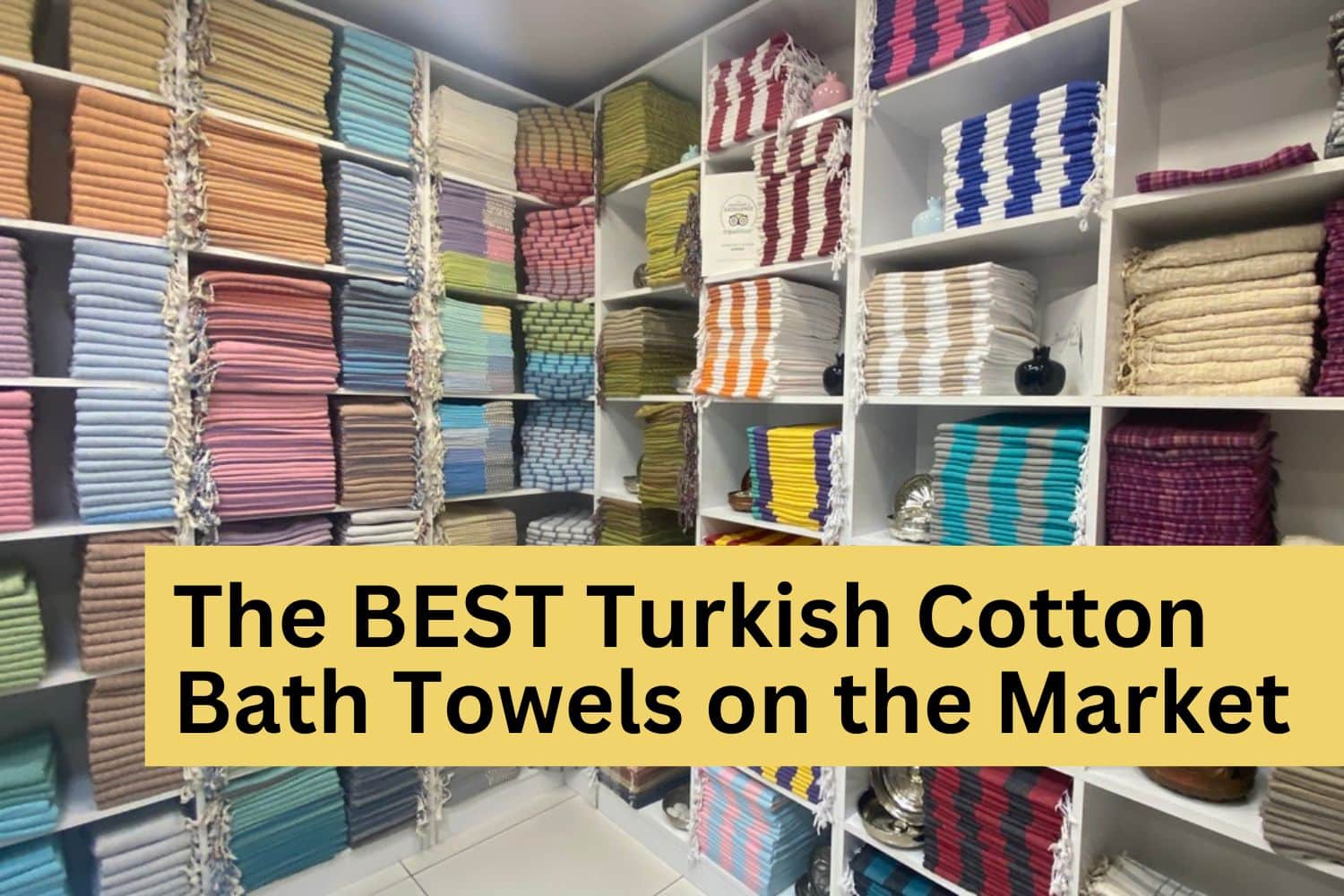
Jennifer’s Hamam also carries a huge range of traditional flat-woven peştamals in different weights, colors, patterns, and weaving styles.
These are the towels I use most often for hammams, beach trips, travel, and even as lightweight throws around the house because they fold down so compactly.
They’ve also become one of my favorite gifts to bring back when visiting friends and family abroad because they pack so easily in a suitcase and feel much more unique than typical tourist souvenirs.
They also make robes, blankets, throws, and bedding using the same organic Turkish cotton.
I especially love that robes can be custom made. You choose the peshtamals that you want to use and they will custom make them within a couple of days.
Virtual Tour Experience
One thing I unexpectedly ended up loving was their virtual shopping tour.
When I didn’t have time to cross from Kadıköy to the European side recently, I scheduled a video shopping appointment instead. I honestly expected it to feel awkward, but it was surprisingly helpful.
They unfolded towels in real time, compared textures and sizes, and answered questions live in a way that felt much more useful than simply scrolling through product photos online.
Visiting the Store in Istanbul
Jennifer’s Hamam has a shop in the Arasta Bazaar near Sultanahmet as well as a larger showroom nearby with even more options.
If you’re already visiting Istanbul, stopping in person is definitely the best way to understand the differences between the various weaving styles and towel types because photos really don’t capture the texture properly.

FAQs for Turkish Cotton Towels
What is so special about Turkish cotton?
Turkish cotton is known for its extra-long fibers, which create fabric that is soft, durable, and highly absorbent without feeling overly heavy. One reason Turkish cotton towels are so popular is that they balance softness with practicality by drying faster than many traditional bath towels while still feeling luxurious.
What is the difference between Turkish cotton and American cotton?
American cotton, often called Pima cotton, typically has shorter fibers than Turkish cotton. While it can still feel soft, Turkish cotton is usually more durable, absorbent, and breathable over time because of its longer fibers. Turkish towels also tend to dry faster and feel lighter overall.
Does Turkish cotton get softer over time?
Yes, high-quality Turkish cotton towels often become softer with regular use and washing. After using Turkish towels for years myself, I’ve found that good organic towels tend to break in naturally over time rather than becoming rough or stiff like some cheaper factory-made towels.
Is Turkish cotton better than regular cotton?
It depends on the quality of the cotton and how you plan to use it. Turkish cotton is prized for its long fibers, which make towels softer, more absorbent, and quicker drying than many standard cotton towels. For bath towels and peştamals especially, many people prefer Turkish cotton because it feels lightweight while still performing well.
Do Turkish cotton towels smell?
High-quality Turkish cotton towels are less likely to develop musty smells because they dry relatively quickly. In my experience, cheaper non-organic towels are much more likely to stay damp and eventually develop odors, especially in humid bathrooms or after repeated use.
Why Turkish Cotton Towels Are Worth the Investment
After living here for years, regular visits to the hamam, and checking out different types of towels, I understand why Turkish cotton has become so well known around the world.
A high-quality Turkish towel is one of those products that actually lives up to the hype. They’re soft, absorbent, lightweight, fast drying, and surprisingly durable when properly cared for.
But better still, they get softer the longer you use them.
What I appreciate even more, though, is how connected these towels are to Turkish culture and craftsmanship.
Whether you’re using a traditional peştamal at a hammam, packing one for travel, or simply upgrading your bathroom at home, there’s something timeless about them that feels very different from mass-produced towels.
If you’re planning a trip to Istanbul, I highly recommend taking time to experience authentic Turkish towels in person at Jennifer’s Hamam because the quality difference becomes obvious the moment you touch them.
If you decide to visit while you’re in Istanbul, make sure to show this coupon to receive a free face washcloth with your purchase of $100 or more.
Turkey Vacation Basics
When I plan a trip these are the websites I use. I hope they help you plan your next adventure as well!
FLIGHTS: I am a huge fan of Skyscanner.
VISAS: You can use the free e-visa portal here but for a few extra dollars you can use iVisa and someone else will handle any issues that may come up.
E-SIM: When I traveled to SE Asia I discovered e-sims and I’m never going back. Airalo has been easy and cheap!
TRAVEL INSURANCE: I use TravelInsurance.com for my trips abroad.
CAR RENTAL: I have loved working with Discover Cars when I rent cars in country.
AIRPORT TRANSFERS: I have used these transfers many times and they are always great. If you’d like more options, I also recommend GetTransfers.com as they allow you to compare companies.
ACCOMMODATION: Find the best Turkey hotel deals on Booking.com.
CITY TOURS & DAY TRIPS: You can browse GetYourGuide’s website to find just the tour you’re looking for! We also recommend the MegaPass for major cities.