
8 Countries Near Turkey (Borders, Maps & Travel Tips)
The Art of Living in Turkey contains affiliate links and is a member of the Amazon Services LLC Associates Program. If you make a purchase using one of these Amazon links, I may receive compensation at no extra cost to you. See my Disclaimers for more information.
If you’re looking for the countries near Turkey, whether for geography, border crossings, or planning your next trip, this guide breaks it down clearly.
After living in Turkey for several years and traveling extensively throughout five of its seven regions, I’ve become especially curious about the countries that share a land border with it. I’ve personally visited Greece and Azerbaijan, and Georgia is next on my list.
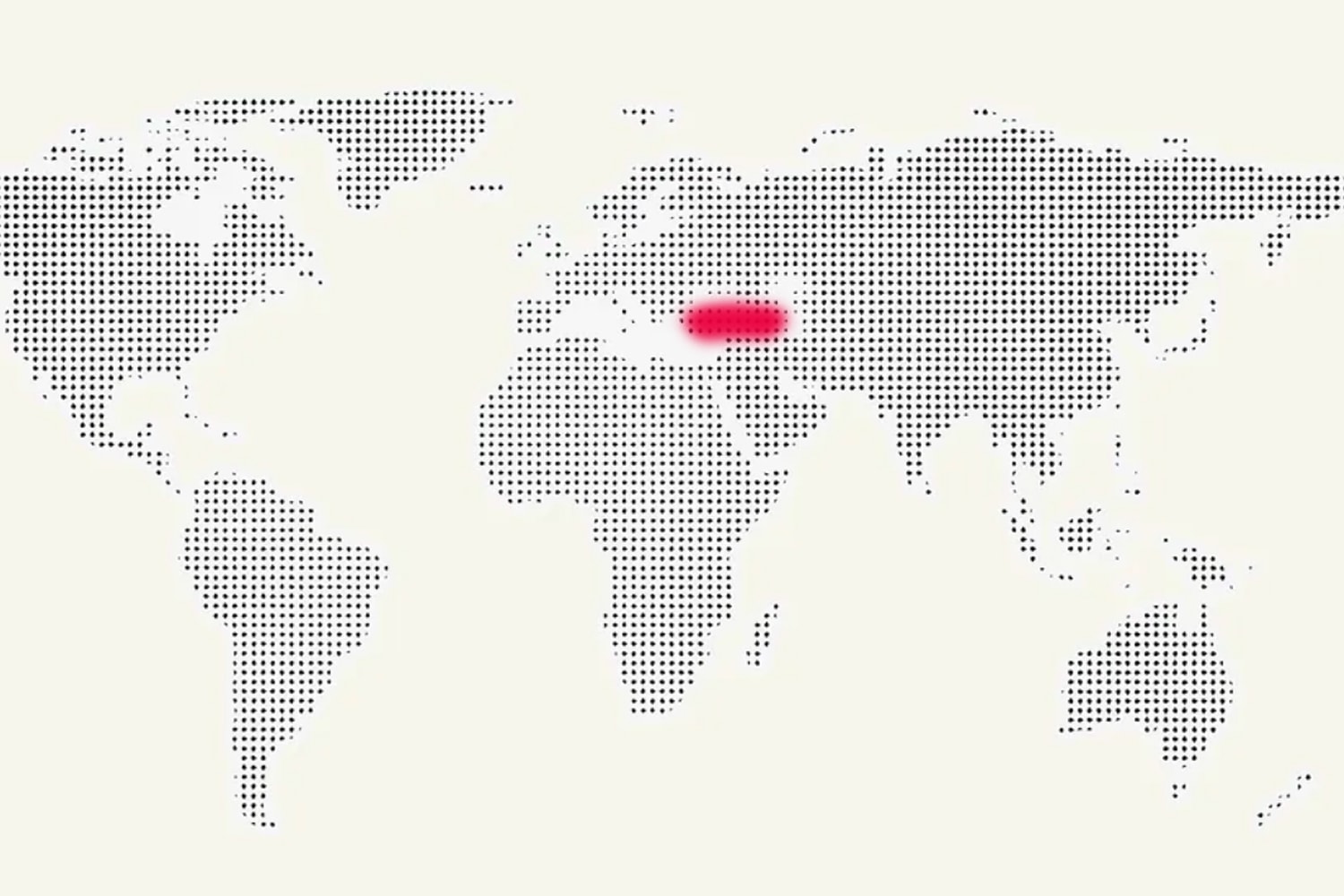
Turkey sits at a rare crossroads between Europe and Asia, and that geographic position shapes everything from politics to food to travel routes. It shares land borders with eight countries, making it one of the most strategically positioned countries in the region.
In this guide, we’ll look at:
- The eight countries that border Turkey
- Which country is closest, depending on where you are
- Border geography and regional maps
- Travel considerations if you plan to visit
If you’re planning a regional trip or simply curious about Turkey’s neighbors, this will give you a clear starting point.
What Is the Nearest Country to Turkey?
The nearest country to Turkey is Bulgaria, if you’re starting from Istanbul, since the Kapıkule border crossing is only about 2.5 hours away by car.
However, Turkey shares land borders with eight countries in total, so the “nearest” country depends on where you are. For instance, in eastern Turkey, Georgia, or Armenia may be geographically closer.
Best Countries Near Turkey to Visit
If you’re wondering which countries near Turkey are easiest or most interesting to visit, a few stand out for accessibility and cultural contrast.
Greece and Bulgaria are the simplest options from Istanbul, especially by bus or car. Georgia is popular for food and wine lovers, while Azerbaijan offers a fascinating blend of modern architecture and Silk Road history.
If you’re looking for dramatic landscapes, Armenia and Iran offer deep cultural experiences, while Iraq and Syria require serious safety research before planning travel.
The best choice depends on your starting city in Turkey and your comfort level with border logistics.
What Countries Are Near Turkey?
- Bulgaria
- Georgia
- Greece
- Azerbaijan
- Armenia
- Syria
- Iran
- Iraq
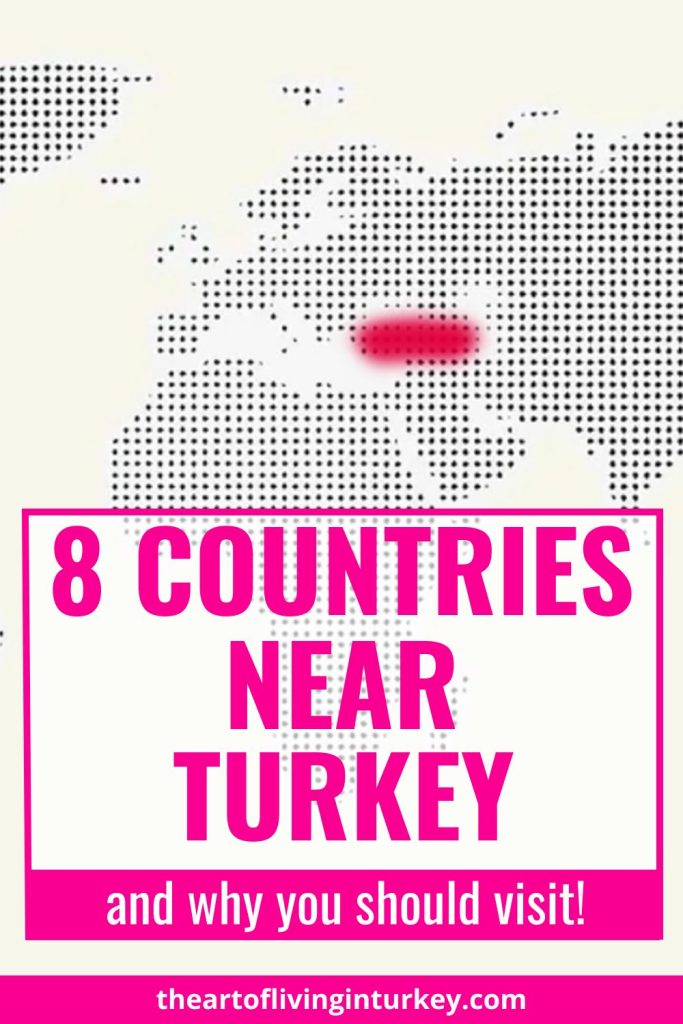
Turkey shares land borders with eight countries across Europe and Asia. Two of these countries, Bulgaria and Greece, lie in Europe. The remaining six, Georgia, Armenia, Azerbaijan, Iran, Iraq, and Syria, are located in Western Asia.
This positioning makes Turkey one of the few countries that directly connect the European Union, the Caucasus region, and the Middle East through active land borders.
Below is a closer look at each neighboring country and what travelers should know before planning a trip.
Bulgaria
Bulgaria borders Turkey in the northwest, in the historic region of Thrace. The main land crossing between the two countries is the Kapıkule–Kapitan Andreevo border gate, which is the busiest land border in Turkey.
From Istanbul, the Bulgarian border is about 2.5 to 3 hours by car, making it the closest international land border to Turkey’s largest city.
Bulgaria offers a mix of mountain landscapes, Black Sea beaches, and historic cities like Plovdiv and Sofia. In winter, ski resorts such as Bansko attract visitors from across Europe.
For many travelers based in Istanbul, Bulgaria is one of the easiest nearby countries to visit by bus or car. Visa requirements vary by passport, so check official government sources before planning. Bulgaria is a member of the European Union.
Georgia
Georgia borders northeastern Turkey along the Black Sea and Eastern Anatolia regions. The main crossing is at Sarp, near the Turkish city of Hopa in Artvin province.
Unlike some of Turkey’s other eastern neighbors, Georgia is relatively easy to visit. Many nationalities can enter visa-free for extended stays, and Turkish citizens can even cross using a national ID card.
Georgia is especially popular for its wine culture, mountain scenery in the Caucasus, and charming capital city, Tbilisi. Batumi, just across the Turkish border, is a common weekend trip for residents of northeastern Turkey.
If you’re traveling from Trabzon or Rize, Georgia is often the most accessible international destination.
Greece
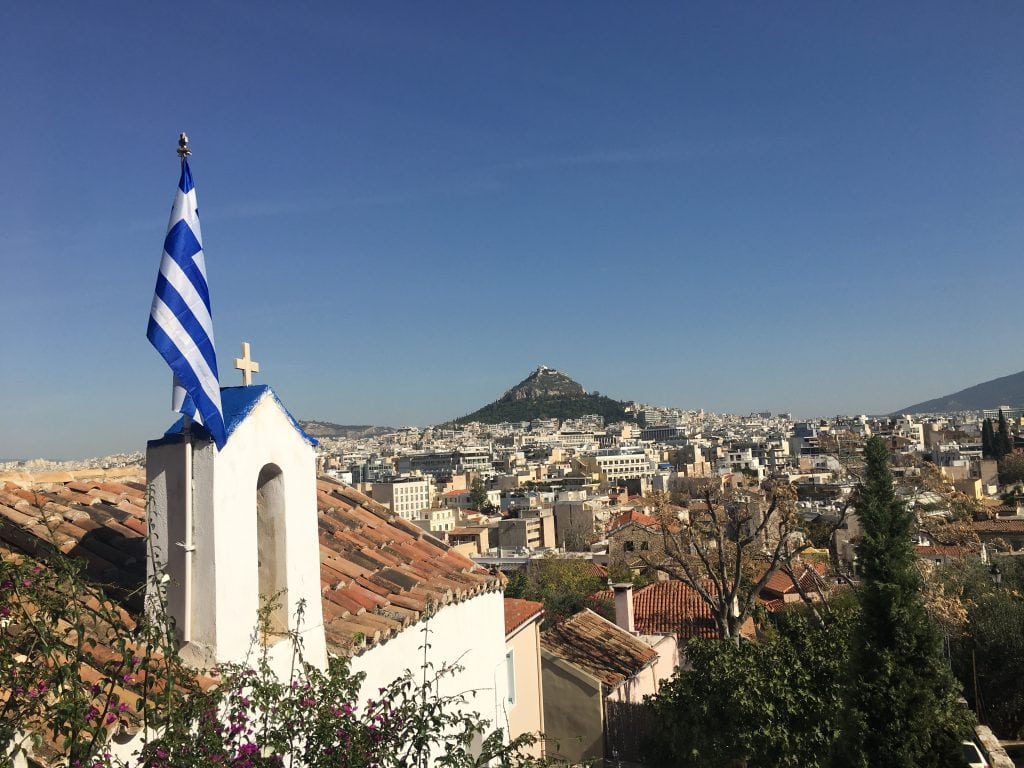
Greece borders Turkey in the northwest via a short land boundary in the Thrace region. The main crossings are Pazarkule (near Edirne) and Ipsala, both reachable from Istanbul in about 2 to 3 hours by car.
In addition to the land border, Turkey and Greece share the Aegean Sea, with several Greek islands located just offshore from the Turkish coast. Ferries operate from cities like Bodrum, Çeşme, and Marmaris to nearby islands during tourist season.
Greece is part of the European Union and the Schengen Area, which means visa requirements vary depending on your nationality.
After living in Turkey, I always found it interesting how quickly you cross into a different cultural and culinary rhythm in Greece. Even small details, like being able to order pork products that are not commonly available in Turkey, make it obvious how distinct the two neighboring countries feel despite their shared history.
For travelers in western Turkey, Greece is often the most straightforward European destination to reach by land or sea.
Azerbaijan
Azerbaijan borders Turkey through a small strip of land via the Nakhchivan Autonomous Republic, an exclave separated from mainland Azerbaijan by Armenia. The land crossing between Turkey and Nakhchivan is at Dilucu, near the Turkish city of Iğdır.
Most travelers heading to Baku, Azerbaijan’s capital, fly from Istanbul rather than crossing by land.
Often called the “Land of Fire” due to its natural gas reserves and historic fire temples, Azerbaijan blends Persian, Turkic, Soviet, and modern influences in a way that feels distinctly its own.
One Lonely Planet author famously described Baku as “the architectural love child of Paris and Dubai…albeit with plenty of Soviet genes floating half-hidden in the background.”
After visiting, I understood exactly what they meant. Walking through the city, you see ornate 19th-century façades, bold contemporary skyscrapers like the Flame Towers, and unmistakable Soviet-era apartment blocks all within a few blocks of each other.
Beyond Baku, the country offers Caspian Sea views, mountain villages in the Caucasus, and deep Silk Road history.
When I visited, I spent time along the Caspian Sea promenade and was struck by how different the atmosphere felt from Turkey’s Mediterranean coast. Azerbaijani cuisine also surprised me. Düşbərə (Dushbara), a delicate soup filled with tiny meat dumplings, became an instant favorite. While there are similarities to Turkish dishes, the flavors and preparation styles feel distinctly Azerbaijani.
Visa policies vary by nationality, though many travelers can apply for an e-visa online before arrival. Always confirm current entry requirements before planning your trip.
Armenia
Armenia borders eastern Turkey along the provinces of Kars and Iğdır. However, the land border between Turkey and Armenia is currently closed, and there are no regular public crossings available for standard tourism travel.
Because of this, most travelers reach Armenia by flying from Istanbul to Yerevan or by entering overland through Georgia.
Armenia is one of the world’s oldest Christian nations and is known for its historic monasteries, rugged mountain landscapes, and distinctive stone architecture. Many of its churches date back centuries and reflect the country’s early adoption of Christianity in 301 AD.
The capital, Yerevan, blends Soviet-era design with café culture and cultural institutions, all set against views of Mount Ararat just across the Turkish border.
If you’re planning a regional itinerary that includes both Turkey and Armenia, it’s essential to factor in the closed land border and verify current diplomatic conditions before making travel arrangements.
Syria
Syria borders southern Turkey along provinces such as Hatay, Kilis, Gaziantep, Şanlıurfa, and Mardin.
Due to ongoing conflict and instability in Syria, most governments currently advise against all travel to the country. Border crossings are heavily regulated, and tourism travel is not typical under current conditions.
If you are researching Syria from a geographic perspective, it remains one of Turkey’s neighboring countries. However, anyone considering travel should consult official government advisories and up-to-date security information before making plans.
Iran
Iran borders eastern Turkey along the provinces of Ağrı, Van, and Hakkâri. The main land crossing is at Gürbulak, near the Turkish city of Doğubayazıt.
Geographically, Iran stretches from the Caspian Sea in the north to the Persian Gulf in the south and is one of the oldest continuously inhabited regions in the world. Historic sites such as Persepolis reflect thousands of years of Persian civilization.
However, travel conditions in Iran can change quickly due to political tensions and regional developments. Many governments periodically update their travel advisories, and entry requirements can be complex depending on your nationality.
If you are considering travel to Iran from Turkey, check official government advisories, visa rules, and current border conditions before making plans. Policies and security situations may shift with little notice.
Iraq
Iraq borders southeastern Turkey near the province of Şırnak. The main crossing point is the Habur border gate, which connects Turkey with the Kurdistan Region of Iraq.
Northern Iraq, particularly the Kurdistan Region (including Erbil and Duhok), has a different security situation than other parts of the country. Some travelers do visit this region, especially for business or family connections.
However, travel conditions in Iraq can change quickly. Before planning a trip, it’s important to check official government travel advisories from your home country and monitor current conditions.
Visa requirements and entry rules vary by nationality, and border access may be restricted depending on regional developments.
Turkey’s Geographic Position Between Europe and Asia
Turkey’s western Marmara region connects it to Bulgaria and Greece, while Eastern Anatolia borders Armenia and Iran. The southeast meets Iraq and Syria, and the northeastern Black Sea region borders Georgia. This spread across two continents is what gives Turkey its strategic geographic importance.
Surrounding Seas
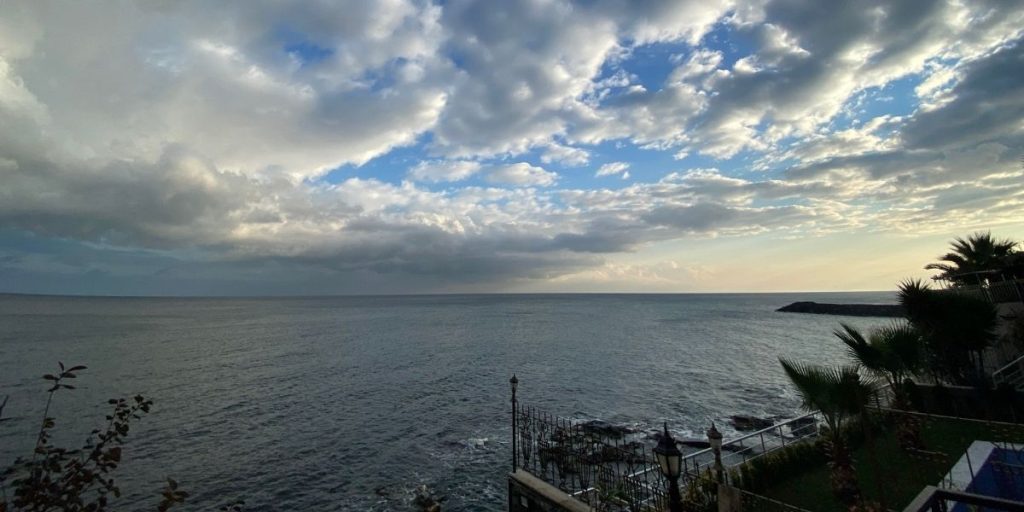
Turkey is bordered by three major bodies of water: the Aegean Sea to the west, the Mediterranean Sea to the south, and the Black Sea to the north. These coastlines shape regional climate, culture, and travel experiences in noticeably different ways.
The Aegean Sea
The Aegean Sea forms Turkey’s western coastline and separates it from Greece. Major Turkish cities along the Aegean include İzmir, Bodrum, and Çeşme.
The Aegean is generally cooler than the Mediterranean, especially in early summer, and its waters can feel brisk even on hot days. In some areas, particularly in rocky or shallow beaches, you may encounter tiny fish that gently nibble at still feet. It can be surprising at first, but they are harmless and typically swim away once you begin moving. They are not present at every beach.
This coastline is known for ancient sites such as Ephesus, olive groves, and ferry connections to nearby Greek islands. The Aegean also plays an important role in maritime trade and tourism between Turkey and the European Union.
The MediterraneanSea
Turkey’s southern coastline runs along the Mediterranean Sea, often called the Turkish Riviera or the Turquoise Coast. Major coastal cities include Antalya, Mersin, and Alanya.
The Mediterranean waters are generally warmer and calmer than the Aegean, especially during peak summer months. As in parts of the Aegean, you may occasionally notice small fish near your feet in shallow water, but they are harmless and usually only noticeable if you remain still.
The region is one of Turkey’s most popular beach destinations, with long stretches of sandy coastline and clear water. Several Greek islands, including Rhodes, lie just offshore from Turkey’s southwestern coast, with seasonal ferry routes connecting the two countries.
The Black Sea
The Black Sea borders northern Turkey and connects the country to Bulgaria, Romania, Ukraine, Russia, and Georgia.
Compared to the Aegean and Mediterranean, the Black Sea is cooler and can be rougher. It is known for stronger currents and occasional rip tides, particularly along open beaches. Every year, there are unfortunately drowning incidents due to powerful currents, so swimmers should pay attention to local warnings and designated swimming areas.
At many beaches, especially those with rented loungers and umbrellas, swimming areas are clearly marked with barriers. Lifeguards and staff can be strict about staying within these zones for safety reasons.
The Black Sea region is also known for its lush landscapes and port cities such as Trabzon and Samsun, and it remains a vital shipping corridor linking Eastern Europe to the Mediterranean through the Turkish Straits.
Two Turkish Straits
Turkey controls two of the most strategically important waterways in the world: the Bosphorus and the Dardanelles. Together with the Sea of Marmara, they form the only maritime route connecting the Black Sea to the Mediterranean.
Bosphorous Strait
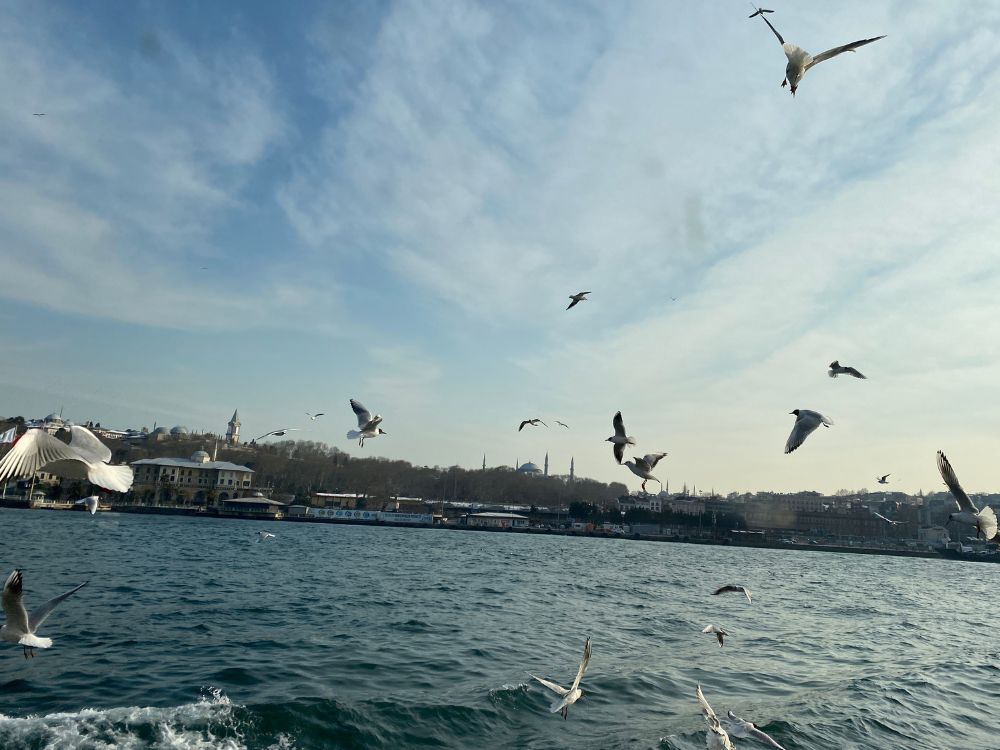
The Bosphorus runs through Istanbul and separates the European and Asian sides of the city. It connects the Black Sea to the Sea of Marmara and is one of the busiest shipping routes in the world.
In addition to its commercial importance, the Bosphorus is home to marine life, including dolphins. During quieter periods, particularly during the pandemic years, dolphin sightings became more frequent, but even today, it is still possible to spot them while riding a ferry or spending time along the waterfront.
The strait has shaped regional politics and trade for centuries and remains central to Turkey’s geographic identity. Consider taking a Bosphorus Cruise to enhance your experience!
Dardanelles Strait
The Dardanelles connects the Sea of Marmara to the Aegean Sea and runs between the Gallipoli Peninsula and the Asian mainland near Çanakkale. It has held major strategic importance for centuries, most notably during the Gallipoli Campaign of World War I.
Throughout history, the strait has controlled maritime access between the Black Sea and the Mediterranean, influencing trade, military strategy, and regional power dynamics from the Byzantine and Ottoman periods to the present.
Today, it remains a vital commercial shipping passage and an important geographic link between Europe and Asia. The surrounding Gallipoli and Çanakkale areas also attract visitors interested in history and coastal landscapes.
FAQs About Countries Near Turkey
How many countries border Turkey?
Turkey shares land borders with eight countries: Bulgaria, Greece, Georgia, Armenia, Azerbaijan, Iran, Iraq, and Syria.
Which European countries border Turkey?
Two European Union countries border Turkey: Bulgaria and Greece. Both share land borders in the Thrace region of northwestern Turkey.
Can you travel from Turkey to Greece by land?
Yes, you can cross from Turkey into Greece by land at border crossings near Edirne, including Pazarkule and Ipsala. Many travelers drive or take buses from Istanbul.
Is the Turkey–Armenia border open?
No, the land border between Turkey and Armenia is currently closed. Travelers typically reach Armenia by flying from Istanbul or entering through Georgia.
Is it safe to travel from Turkey to Syria or Iraq?
Travel conditions vary significantly. Many governments currently advise against travel to Syria and parts of Iraq. Always check official travel advisories before planning a trip.
Understanding the Countries Near Turkey
Turkey’s location places it at the intersection of Europe and Asia, with eight land borders that connect the European Union, the Caucasus, and the Middle East. Few countries sit at such a geographically complex crossroads.
From easily accessible neighbors like Greece and Bulgaria to more logistically complicated borders such as Armenia, Iran, Iraq, and Syria, each country reflects a different historical and political relationship with Turkey.
Living here has made me more aware of how much geography shapes daily life. Border crossings, ferry routes, shared coastlines, and regional trade all influence culture, food, and travel patterns in ways that are easy to overlook on a map.
Whether you’re planning a trip, researching regional geography, or simply curious about which countries are near Turkey, understanding its borders offers deeper insight into the region as a whole.
Planning a trip to Turkey?
- Looking for other countries to visit after Turkey? Consider Northern Cyprus
- Wanna visit places near Turkey using Istanbul as a home base? Check out the digital nomad visa Turkey just released
- Albania is just a two-hour flight away…
- Make sure you use the right dialing code when you call friends in Turkey
Turkey Vacation Basics
When I plan a trip these are the websites I use. I hope they help you plan your next adventure as well!
FLIGHTS: I am a huge fan of Skyscanner.
VISAS: You can use the free e-visa portal here but for a few extra dollars you can use iVisa and someone else will handle any issues that may come up.
E-SIM: When I traveled to SE Asia I discovered e-sims and I’m never going back. Airalo has been easy and cheap!
TRAVEL INSURANCE: I use TravelInsurance.com for my trips abroad.
CAR RENTAL: I have loved working with Discover Cars when I rent cars in country.
AIRPORT TRANSFERS: I have used these transfers many times and they are always great. If you’d like more options, I also recommend GetTransfers.com as they allow you to compare companies.
ACCOMMODATION: Find the best Turkey hotel deals on Booking.com.
CITY TOURS & DAY TRIPS: You can browse GetYourGuide’s website to find just the tour you’re looking for! We also recommend the MegaPass for major cities.
