Medicine in Turkey: What You Can Buy and Where to Find It

The Art of Living in Turkey contains affiliate links and is a member of the Amazon Services LLC Associates Program. If you make a purchase using one of these Amazon links, I may receive compensation at no extra cost to you. See my Disclaimers for more information.
This is not intended to provide medical advice just an understanding of American equivalents and how to find what you are looking for. For more information on our disclosures, please see the Disclaimers page.
If you’re trying to figure out how to find medicine in Turkey, what you can buy over the counter, and whether you need a prescription, you’re not alone.
When I first moved here, I was completely confused. Simple things like cold medicine or pain relief were not as straightforward as I expected, and I quickly realized the system works very differently than back home.
After living in Turkey for several years, I’ve learned exactly where to go, what to ask for, and how to find the right medication without wasting time or getting frustrated.
This guide will walk you through how pharmacies work in Turkey, what medications are available without a prescription, and how to find equivalents for the things you already use.
Where to buy Medicine in Turkey
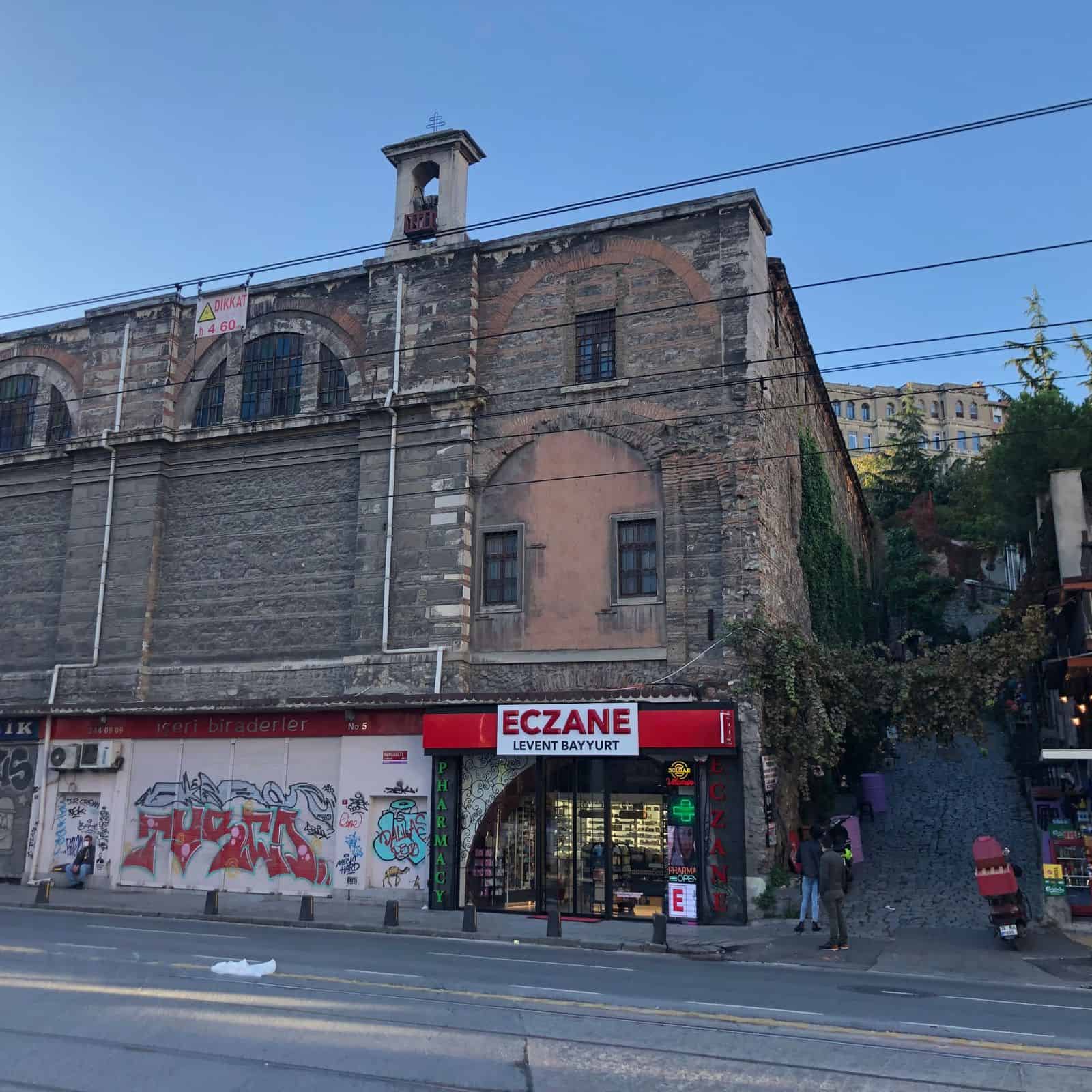
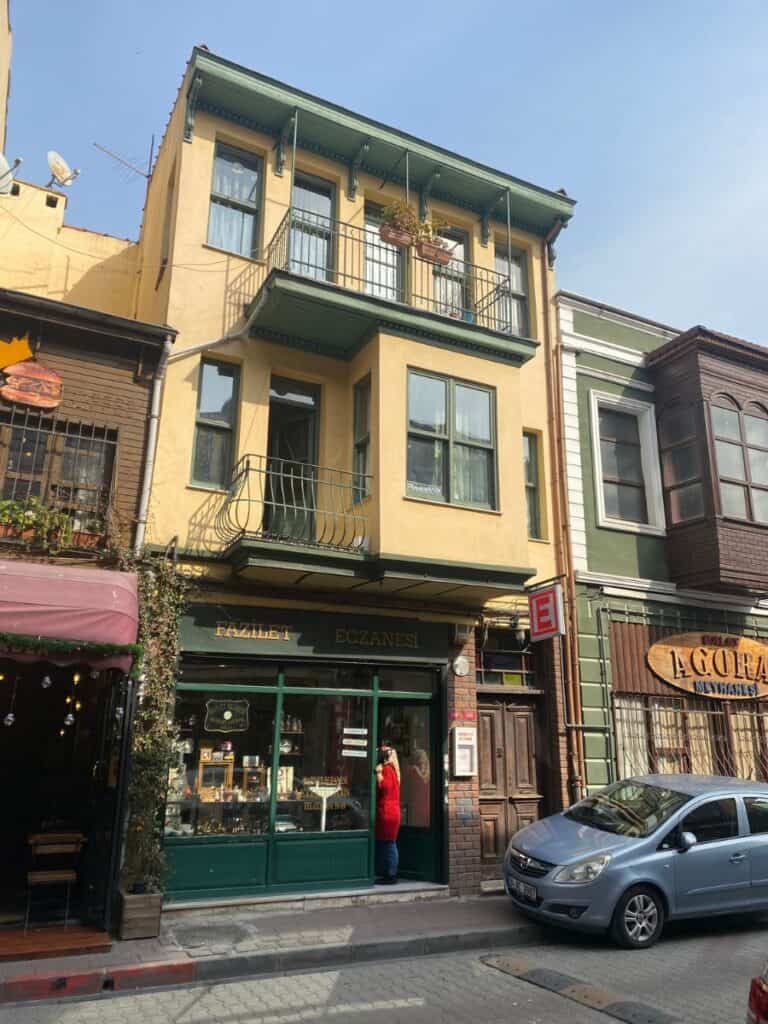
If you need medicine while you’re visiting Turkey, you will need to go to a pharmacy, called an eczane.
Unlike in the United States, you will not find pharmacies inside large grocery stores like Carrefour or Migros. Pharmacies are separate shops, and they are easy to spot by the word “Eczane” on the sign.
In larger areas like shopping malls, you will almost always find at least one pharmacy inside. You will likely find one within walking distance from wherever you’re staying.
Most eczanes carry everything from basic over-the-counter medications to prescription drugs, as well as some medical supplies.
However, for more specialized items like gauze, braces, or post-surgery supplies, you may need to search for a “medikal” shop, which focuses on medical equipment.
I actually had to do this myself after a minor procedure and was able to quickly find what I needed by searching “medikal” on Google Maps.
One helpful thing to know is that pharmacies in Turkey rotate hours. If your nearest pharmacy is closed, you can look for a “nöbetçi eczane” (on-duty pharmacy), which stays open overnight and on Sundays.
What You Can Buy Over the Counter at Pharmacies
One of the biggest surprises for many travelers is how much you can buy over the counter in Turkey compared to other countries.
In many cases, medications that require a prescription in the United States are available directly from pharmacies in Turkey.
When I first moved here, I was shocked at how easy it was to walk into an eczane, describe what I needed, and walk out with the medication without needing a doctor’s visit.
Common Medications Available Without a Prescription
You can typically buy the following over the counter in Turkey:
- Cold and flu medications (like decongestants, cough syrups, and nasal sprays)
- Allergy medications (some stronger ones may require a prescription)
- Pain relievers such as ibuprofen and paracetamol
- Digestive aids like anti-diarrheal medication
- Some blood pressure medications
One medication I tried to find was Benadryl, but it requires a prescription in Turkey. Because it crosses the blood-brain barrier, it is more tightly regulated than in some other countries.
How Pharmacies Work in Turkey
Pharmacies in Turkey operate a bit differently than what many travelers are used to, especially when it comes to the role of the pharmacist. Instead of just filling prescriptions, they often:
- help diagnose minor issues, which is incredibly helpful
- recommend appropriate medication
- suggest alternatives if something is unavailable
I’ve personally gone into pharmacies unsure of what I needed and walked out with exactly the right medication after a quick conversation. They are usually very patient and helpful.
If there is a language barrier, you can:
- use Google Translate
- show them the medication name
- describe your symptoms
Prescription Medications in Turkey
While many medications are available over the counter in Turkey, some still require a prescription. These are typically more regulated medications, including:
- Antibiotics (this has changed in recent years)
- Controlled substances (classified as red or green prescriptions)
- Narcotic or psychotropic medications
- Certain antihistamines and specialized treatments
In Turkey, medications are categorized into different prescription groups:
- Green prescriptions are used for drugs containing psychotropic substances (alprazolam, diazepam, etc.)
- Red prescriptions are used for stronger, controlled substances such as narcotics (morphine, oxycodone, fentanyl, etc.). The red drugs are prescribed when there is a psychological disorder, advanced forms of cancer, and other serious diseases. (Interview with a Pharmacist)
If you need one of these medications, you will need to visit a doctor to get a prescription.
How to Get a Prescription in Turkey
If you need a prescription in Turkey, the process is relatively simple and often much more affordable than in other countries.
The easiest option is to visit a private hospital or clinic, where you can see a doctor and get a prescription the same day. Many private hospitals in Turkey have English-speaking staff, and some even offer translation services if needed.
Some of the most well-known private hospitals include places like Medipol, Medical Park, and Acıbadem.
In my experience, getting an appointment is usually quick, and the cost is quite reasonable compared to what you might expect elsewhere.
Medicine Equivalents (US vs Turkey)
One of the most common concerns when traveling is whether you will be able to find the same medications you use at home.
The good news is that while brand names are different in Turkey, the active ingredients are often the same, which means you can usually find an equivalent.
Here are a few common examples:
Common Medicine Equivalents
Here are some common medicine equivalents in Turkey compared to brands you may recognize from the United States. While brand names are often different, the active ingredients are usually the same.
| American | Turkish |
| Mucinex | Vicks Vaposyrup |
| Aleve | Naprosyn |
| Zyrtec | They have it here – it’s the same |
| Benedryl | Because it is a 1st gen histamine and crosses the blood-brain barrier, prescriptions are req. |
| Sudafed | Rinogest & Dekoferin same pharmacological group, Aferin same ingredients (Pro tip: if you need just Sudafed, you’ll need an RX) |
| Miralax | Systane |
| Imodium | Lopermid, Lomotil, Diphenoxylate |
If you do not see the exact medication you need, focus on the active ingredient and ask the pharmacist for an equivalent. In my experience, they are very helpful and can usually find the right option quickly.
How to Find Medicine Equivalents in Turkey
If you cannot find the exact brand you are used to, the best approach is to focus on the active ingredient rather than the brand name.
You can:
- Show the pharmacist the name of the medication you use
- Use Google to look up the active ingredient
- Ask the pharmacist for an equivalent (they are usually very helpful)
I’ve done this myself multiple times, and even when I didn’t know the Turkish name, the pharmacist was able to quickly find the right option.
You can also use Pill in Trip to help you find exactly what you’re looking for.
Important Notes About Prescriptions
While many medications are available over the counter in Turkey, certain drugs are still regulated and require a prescription. These include:
- Antibiotics
- Strong pain medications
- Controlled substances classified as “red” or “green” prescriptions
If you are unsure whether something requires a prescription, the pharmacist can usually guide you.
5 Must-Have travel medical accessories
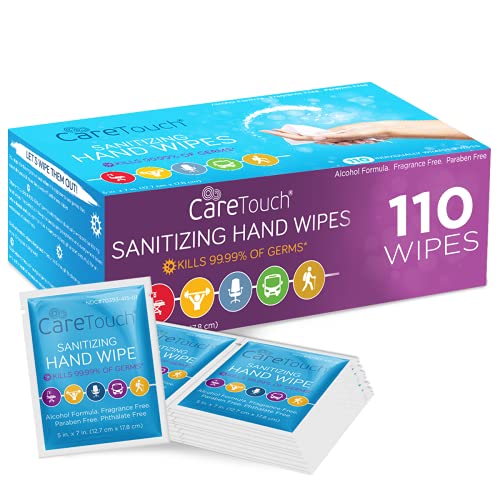

- These hand sanitizer wipes are great. Since they are individually wrapped, your bag gets lighter as you go and you stay clean.
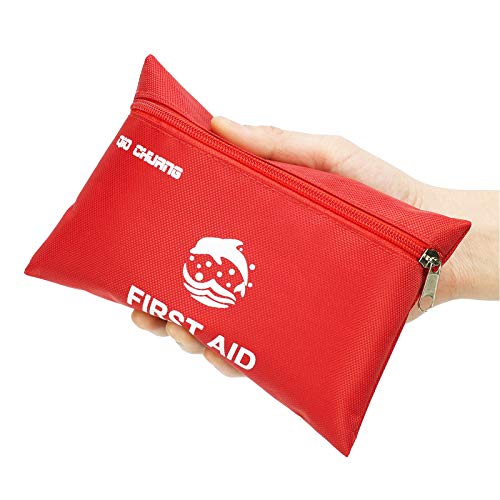
- I always advise traveling with a small travel aid kit. You never know what you won’t be able to find. I recommend you add anything that you know you will need.
- If you’re flying internationally, compression socks will help keep your legs from swelling.
- Want to be like a Turk before you get to Turkey? Kolonya is a great start. It is their version of hand sanitizer and IMO much better.
- If you have medical equipment in your bag, this medical equipment luggage tag will give them a heads up as they handle your luggage.
Tips for Finding Medicine in Turkey
1. Learn the word “eczane”
Pharmacies are called eczane, and you will see this word everywhere. If you remember just one word related to healthcare in Turkey, make it this one.
You say it ehj-ZAH-neh.
2. Look for a “nöbetçi eczane” after hours
Pharmacies take turns staying open overnight and on Sundays. These are called nöbetçi eczane (on-duty pharmacies).
If your nearest pharmacy is closed, you can search “nöbetçi eczane” on Google Maps to find one that is open.
3. Ask the pharmacist for help
Pharmacists in Turkey are extremely helpful and often act as your first point of care.
If you are unsure what you need, you can describe your symptoms, and they will usually recommend the right medication or an equivalent.
I’ve done this multiple times and have been surprised at how quickly they can help, even with limited English.
4. Bring a photo of your medication
If you take something regularly, it helps to have:
- a photo of the medication
- the name of the active ingredient
This makes it much easier for the pharmacist to find an equivalent in Turkey.
5. Use Google Translate if needed
If there is a language barrier, Google Translate can go a long way. You can:
- type out what you need
- show it to the pharmacist
- or translate symptoms
It’s not perfect, but it usually gets the job done.
6. Don’t assume brands will be the same
Most medications will have different brand names in Turkey, even if the ingredients are the same.
Focus on the active ingredient, not the brand name.
7. Check hours before you go
Many pharmacies close in the evening, especially outside of major areas.
If you need something urgently, it’s always worth checking Google Maps first to make sure they are open.
FAQs About Medicine in Turkey
Can you buy medicine over the counter in Turkey?
Yes, many medications that require a prescription in other countries can be purchased over the counter in Turkey. However, some drugs such as antibiotics, strong pain medications, and controlled substances still require a prescription.
Do I need a prescription for antibiotics in Turkey?
Yes, antibiotics now require a prescription in Turkey. They used to be available over the counter, but regulations have become stricter due to overuse.
Are pharmacies in Turkey easy to find?
Yes, pharmacies (eczanes) are very common and easy to find, especially in cities. If one is closed, you can search for a “nöbetçi eczane,” which is an on-duty pharmacy open after hours or on Sundays.
Can I use my prescription from another country in Turkey?
No, foreign prescriptions are generally not accepted. You will need to see a doctor in Turkey to get a local prescription if required.
Is medicine cheaper in Turkey?
In many cases, yes. Medications in Turkey are often more affordable compared to countries like the United States, especially for common treatments.
Can pharmacists in Turkey speak English?
Many pharmacists, especially in larger cities and tourist areas, speak at least some English. If not, tools like Google Translate can help bridge the gap.
Finding Medicine in Turkey Made Simple
Finding medicine in Turkey might feel confusing at first, but once you understand how the system works, it becomes surprisingly easy.
Pharmacies, or eczanes, are well-stocked, pharmacists are incredibly helpful, and many medications are more accessible than you might expect. Even when brand names differ, you can almost always find an equivalent by focusing on the active ingredient.
From my own experience living here, the biggest shift is simply learning where to go and what to ask for. Once you do, getting what you need becomes quick and straightforward.
With a little preparation and the right approach, you can confidently handle any minor health needs during your time in Turkey.
Planning a trip to Turkey?
- Want a unique cultural experience? Maybe you should visit during Ramadan
- Halloween in Turkey: read more about what its like
- Winter in Turkey has pros and cons…read more
- Read more about what holidays are celebrated in Turkey
Turkey Vacation Basics
When I plan a trip these are the websites I use. I hope they help you plan your next adventure as well!
FLIGHTS: I am a huge fan of Skyscanner.
VISAS: You can use the free e-visa portal here but for a few extra dollars you can use iVisa and someone else will handle any issues that may come up.
E-SIM: When I traveled to SE Asia I discovered e-sims and I’m never going back. Airalo has been easy and cheap!
TRAVEL INSURANCE: I use TravelInsurance.com for my trips abroad.
CAR RENTAL: I have loved working with Discover Cars when I rent cars in country.
AIRPORT TRANSFERS: I have used these transfers many times and they are always great. If you’d like more options, I also recommend GetTransfers.com as they allow you to compare companies.
ACCOMMODATION: Find the best Turkey hotel deals on Booking.com.
CITY TOURS & DAY TRIPS: You can browse GetYourGuide’s website to find just the tour you’re looking for! We also recommend the MegaPass for major cities.
