
Ramadan in Turkey: A Foreigner’s Perspective
The Art of Living in Turkey contains affiliate links and is a member of the Amazon Services LLC Associates Program. If you make a purchase using one of these Amazon links, I may receive compensation at no extra cost to you. See my Disclaimers for more information.
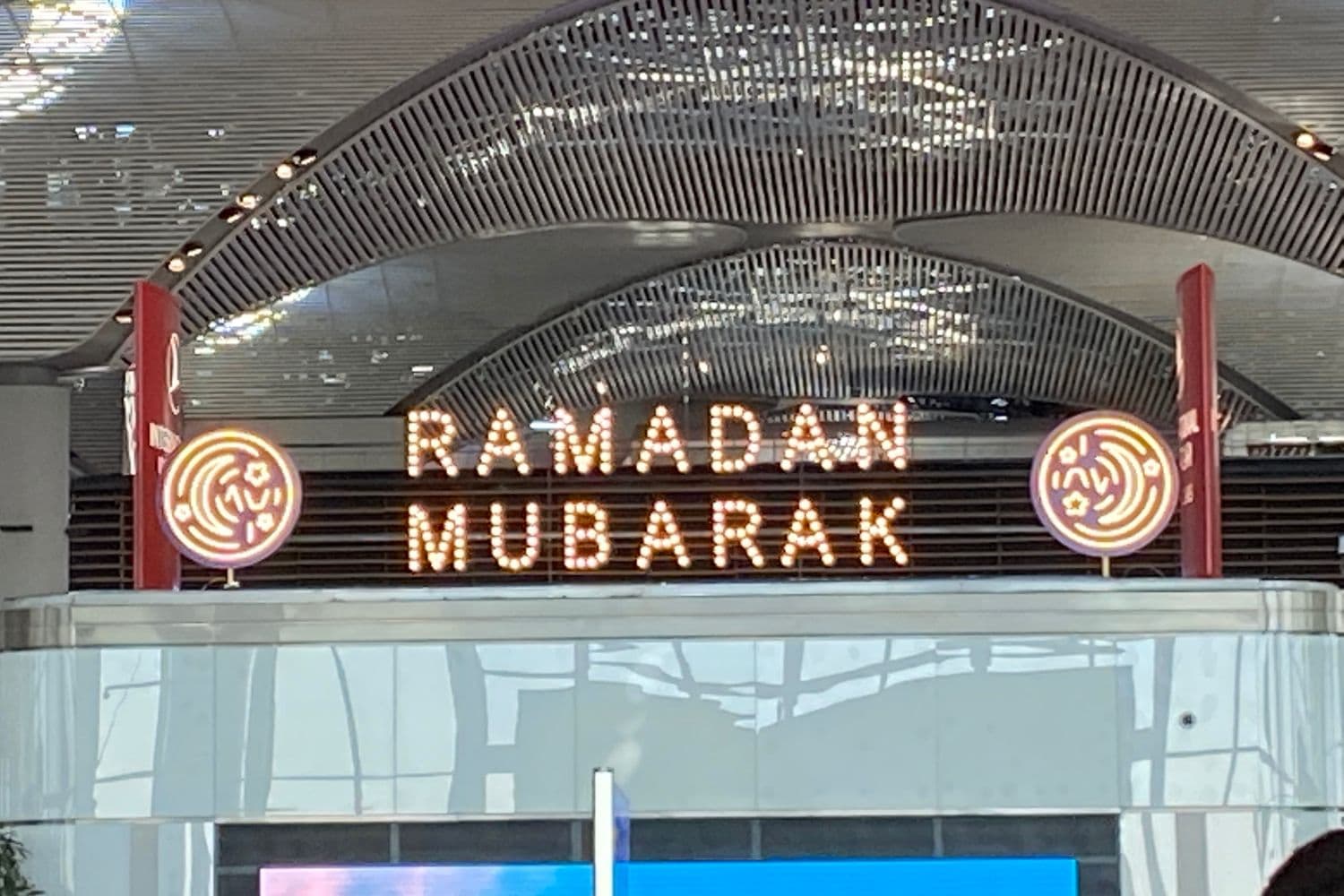
The first Ramadan I experienced in Turkey caught me completely off guard.
I remember walking through Istanbul one evening, wondering why all of a sudden, the streets felt quite empty, only to watch everything come back to life at night. Restaurants filled within minutes, bakery lines stretched down the block, and families gathered together for massive meals after fasting all day.
I didn’t fully understand how much Ramadan affects daily life here. And while Turkey is a secular country, Ramadan still noticeably changes the atmosphere in many neighborhoods, especially outside the major tourist areas.
At the same time, visiting Turkey during Ramadan can also be an incredibly unique cultural experience.
Some of my favorite memories during this time involve hearing the pre-dawn drummers echo through the streets, trying fresh Ramazan pidesi from local bakeries right before iftar, and being invited to share meals with friends after sunset.
That being said, Ramadan in Turkey is definitely a different travel experience compared to other times of the year, and whether it is the right fit for your trip really depends on what kind of experience you are hoping to have.
In this guide, I’ll share what Ramadan in Turkey actually feels like, how it may impact your travels, and a few things I wish I had understood before experiencing it myself.
What Is Ramadan?
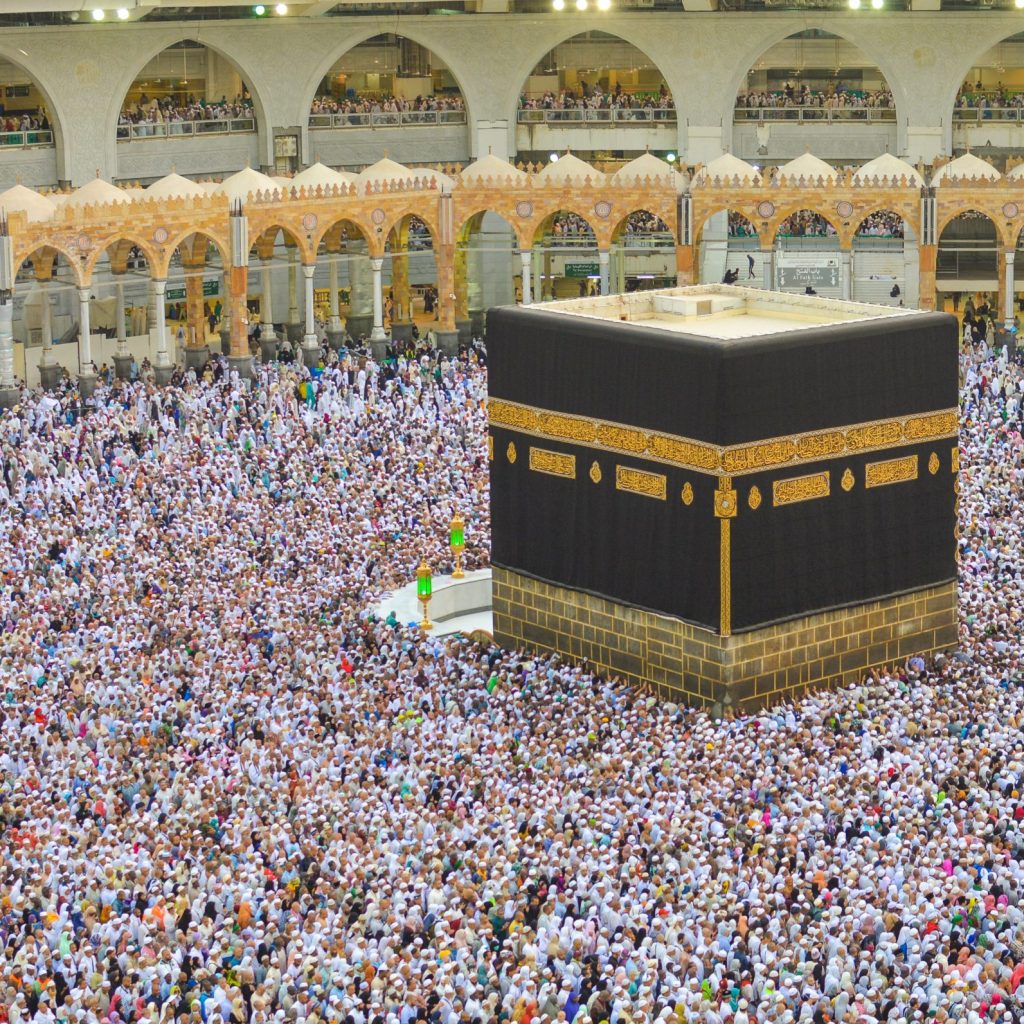
Ramadan is the holiest month in Islam and is observed by Muslims around the world through fasting, prayer, reflection, and community.
Fun fact: According to the Hadith, a Muslim is prohibited from simply saying, “Ramadan”. They must say the “month of Ramadan” as it is believed to be one of the names of God in Islam.
During this month, many Muslims fast from dawn until sunset, which means no food, water, smoking, or other physical indulgences during daylight hours.
In Turkey, you will notice that different people observe Ramadan to different degrees. Some people fast very strictly, while others may continue life mostly as normal, especially in larger and more secular cities like Istanbul or Izmir.
During these 30 days, those who are observing Ramazan will fast from dawn to sunset. They don’t just fast from food and drink, though. So what do they fast from?
| First Day | Last Day |
|---|---|
| 7 Feb 2027 | 8 Mar 2027 |
| 27 Jan 2028 | 25 Feb 2028 |
| 15 Jan 2029 | 13 Feb 2029 |
| 5 Jan 2030 | 3 Feb 2030 |
- NO drinking – during the day
- NO eating – during the day
- NO sex – for the entire month
- NO smoking – for the entire month
- NO gum – for the entire month
Since Ramadan follows the Islamic lunar calendar, the dates change every year. In 2027, Ramadan is expected to take place from February 7 through March 8, followed by the three-day Eid al-Fitr celebration known in Turkey as Şeker Bayramı, or the Sugar Holiday.
What Ramadan Feels Like in Turkey
Days Feel Much Quieter
One thing I found especially interesting after moving to Turkey is how much Ramadan changes the rhythm of the day.
Mornings often feel quieter, afternoons slower, and many neighborhoods become noticeably calmer compared to the rest of the year.
In places like Istanbul, Izmir, and tourist-heavy areas, you may barely notice Ramadan at all since many restaurants and cafes continue operating normally.
But in smaller towns and more conservative neighborhoods, Ramadan can affect daily life much more noticeably. Some restaurants may close during the day, people tend to dress more conservatively, and eating or smoking publicly can feel more uncomfortable depending on the area.
Then Everything Changes Around Iftar
Right before iftar, the atmosphere changes. Traffic picks up, bakery lines form out the door, and families rush to grab food before the fast ends.
Then at sunset, restaurants fill up, people gather outside drinking tea, and the streets feel lively again. It feels like the entire city wakes back up.
The Sense of Community Really Stood Out to Me
One thing I did not expect was how welcoming Ramadan would feel even as a foreigner.
I still remember the first time I joined friends for iftar during Ramadan. The meal lasted for hours, the table kept filling with food, and the whole evening felt incredibly warm and communal.
That sense of hospitality and community is probably what stood out to me most during Ramadan in Turkey.
The Two Important Meals During Ramadan
Suhur
Suhur is the meal eaten before sunrise, before the daily fast begins.
One of the most unexpected parts of Ramadan for me was hearing drummers walking through the streets in the middle of the night, waking people up for suhur. This tradition dates back to the Ottoman Empire and still exists in many neighborhoods throughout Turkey today.
The first time it happened outside my apartment, I had no idea what was going on and was quite annoyed.
After suhur ends and the morning call to prayer begins, those observing the fast start their day without food or water until sunset.
İftar Meal
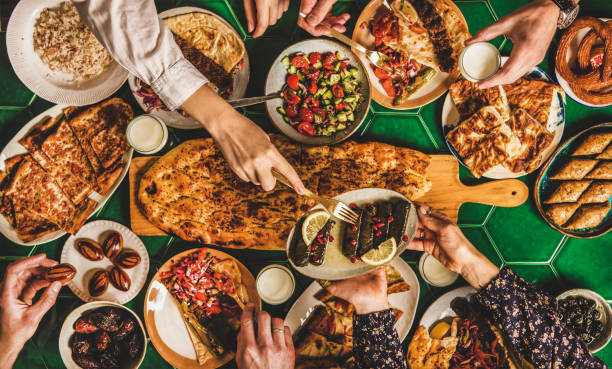
Iftar is the evening meal that breaks the fast after sunset, and it completely transforms the city.
Right before iftar, bakeries become packed, restaurants fill up, and traffic gets noticeably more chaotic as everyone rushes to get home or meet family and friends before the fast ends.
Then suddenly everything slows down again as people sit together to eat.
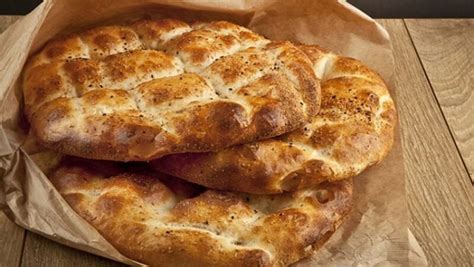
I especially love the special bread made during this time called Ramazan pidesi. You will see long lines outside bakeries before sunset as people rush to buy it fresh and warm. I always go for the sade version, which is plain with sesame seeds on top.
And if you are ever invited to an iftar meal while visiting Turkey, absolutely go. Turkish hospitality during Ramadan can be incredibly warm and generous.
Eid al-Fitr (Şeker Bayramı)
Eid al-Fitr, also called Şeker Bayramı or the Sugar Holiday in Turkey, is the celebration that marks the end of Ramadan.
During this three-day holiday, families gather together, people wear their nicest clothes, and visits between friends and relatives become constant.
One tradition I find especially meaningful is visiting cemeteries to honor family members who have passed away.
For children, though, this holiday feels a bit like Halloween mixed with Christmas. Kids go around greeting neighbors and relatives with holiday wishes and are often rewarded with chocolates, candy, desserts, or sometimes even small amounts of money.
During Şeker Bayramı, everything feels much more festive and relaxed compared to the quieter, reflective feeling of Ramadan itself.
Important Things Travelers Should Know During Ramadan
Tourist Areas Usually Stay Open
One of the biggest misconceptions about Ramadan in Turkey is that everything completely shuts down. In reality, it really depends on where you are.
In major tourist areas like Istanbul, Antalya, or Cappadocia, many restaurants, cafes, and attractions continue operating normally because they are used to international visitors.
But in smaller towns and more conservative neighborhoods, you may notice shorter business hours, fewer restaurants open during the day, and a generally quieter atmosphere during the daytime before iftar.
Be Respectful in More Conservative Areas
While it is not illegal to eat or drink publicly in Turkey during Ramadan, I personally try to be a little more discreet outside tourist areas out of respect for those fasting.
The same goes for smoking and dressing a bit more modestly, especially in smaller towns and conservative neighborhoods.
You definitely do not need to change your entire trip, but being culturally aware goes a long way.
Plan Around Iftar Traffic
One thing I learned quickly is to avoid being on the road right before iftar if possible.
Traffic becomes absolute chaos as everyone rushes home or to restaurants in time to break their fast at sunset.
Then, strangely, the streets often become very quiet during the meal itself before picking back up later in the evening.
Book Transportation Early During Eid
Domestic flights, buses, and trains can become extremely crowded as families travel across the country to visit relatives and celebrate together.
When joining Iftar, Bring Something
There are many things that you can bring to Iftar! Things like fresh baklava, a halal gift box, tarts or dates, and fruit are always good options, as is any food.
FAQs About Ramadan in Turkey
Is Turkey open during Ramadan?
Yes. Especially in larger cities and tourist areas, most attractions, restaurants, and hotels continue operating normally. Smaller towns and conservative neighborhoods may feel quieter during the daytime.
Can tourists eat during Ramadan in Turkey?
Yes. It is not illegal to eat or drink publicly during Ramadan in Turkey, though it is generally more respectful to be discreet outside major tourist areas.
Is Istanbul busy during Ramadan?
Yes, but the city changes during this month. Days feel quieter, while evenings become extremely lively after iftar when restaurants and cafes fill up again.
What is the best part of Ramadan in Turkey?
For me, it is the change that happens around sunset. The bakery lines, evening call to prayer, families gathering for iftar, and the overall sense of community make the experience feel very unique.
Should I avoid visiting Turkey during Ramadan?
Not necessarily. Ramadan can actually be a fascinating cultural experience if you are flexible and respectful of local customs. It really depends on the type of trip you want.
Experiencing Ramadan in Turkey as a Foreigner
Ramadan in Turkey is one of those experiences that is difficult to fully understand until you witness it firsthand.
Visiting Turkey during Ramadan gave me a much deeper appreciation for how closely food, hospitality, religion, and community are woven into everyday life here.
While visiting during Ramadan may require a little more flexibility and cultural awareness, it can also be one of the most rewarding and memorable times to experience Turkey.
And even now, some of my favorite memories in Turkey involve hearing the evening call to prayer while the city suddenly comes alive again for iftar.
Planning a trip to Turkey?
- Purchase a Turkish SIM card for your time in Turkey
- Is Turkey safe? A great question. Here’s my answer.
- What about Halloween in Turkey?
- Take an epic road trip from Istanbul to Fethiye
- Download these apps before you come!
Turkey Vacation Basics
When I plan a trip these are the websites I use. I hope they help you plan your next adventure as well!
FLIGHTS: I am a huge fan of Skyscanner.
VISAS: You can use the free e-visa portal here but for a few extra dollars you can use iVisa and someone else will handle any issues that may come up.
E-SIM: When I traveled to SE Asia I discovered e-sims and I’m never going back. Airalo has been easy and cheap!
TRAVEL INSURANCE: I use TravelInsurance.com for my trips abroad.
CAR RENTAL: I have loved working with Discover Cars when I rent cars in country.
AIRPORT TRANSFERS: I have used these transfers many times and they are always great. If you’d like more options, I also recommend GetTransfers.com as they allow you to compare companies.
ACCOMMODATION: Find the best Turkey hotel deals on Booking.com.
CITY TOURS & DAY TRIPS: You can browse GetYourGuide’s website to find just the tour you’re looking for! We also recommend the MegaPass for major cities.
