
Turkish Belly Dance Explained: History, Style, and Culture

The Art of Living in Turkey contains affiliate links and is a member of the Amazon Services LLC Associates Program. If you make a purchase using one of these Amazon links, I may receive compensation at no extra cost to you. See my Disclaimers for more information.
Turkish belly dance is one of those cultural traditions that almost everyone recognizes, even if they know very little about it.
After moving to Turkey, I realized the reality was far more layered than the flashy tourist performances most people picture.
Behind the dramatic costumes and energetic music is a dance tradition shaped by Ottoman history, nightlife culture, and centuries of evolving performance styles.
Since living here, I’ve seen a couple of performances in Istanbul, attempted a lesson myself, and learned just how athletic and culturally complex Turkish belly dance really is.
In this article, we’ll look at the history of Turkish belly dance, how it differs from Egyptian styles, and where you can experience it for yourself in Turkey.
Turkish Belly Dance at a Glance
| Question | Quick answer |
|---|---|
| What is Turkish belly dance? | A traditional dance style known for energetic movements, hip work, and expressive performance |
| What is it called in Turkey? | Oryantal |
| Where did it develop? | Within Turkey’s broader Ottoman and Middle Eastern cultural history |
| What makes Turkish style different? | Often faster, more energetic, and more improvisational than some other belly-dance styles |
| Where can you see it? | Restaurants, entertainment venues, festivals, and cultural performances |
What Is Turkish Belly Dance?
Turkish belly dance is one of the most recognizable traditional performance styles in Turkey. Over time, it evolved into a more theatrical and improvisational form of dance that still feels distinctly Turkish today.
Today, the dance is most commonly performed at cultural shows, dinner cruises, weddings, and entertainment venues throughout Turkey.
How Is It Different From Egyptian Belly Dance?
Compared to Egyptian belly dance, the Turkish style is usually faster, more playful, and more interactive with the audience.
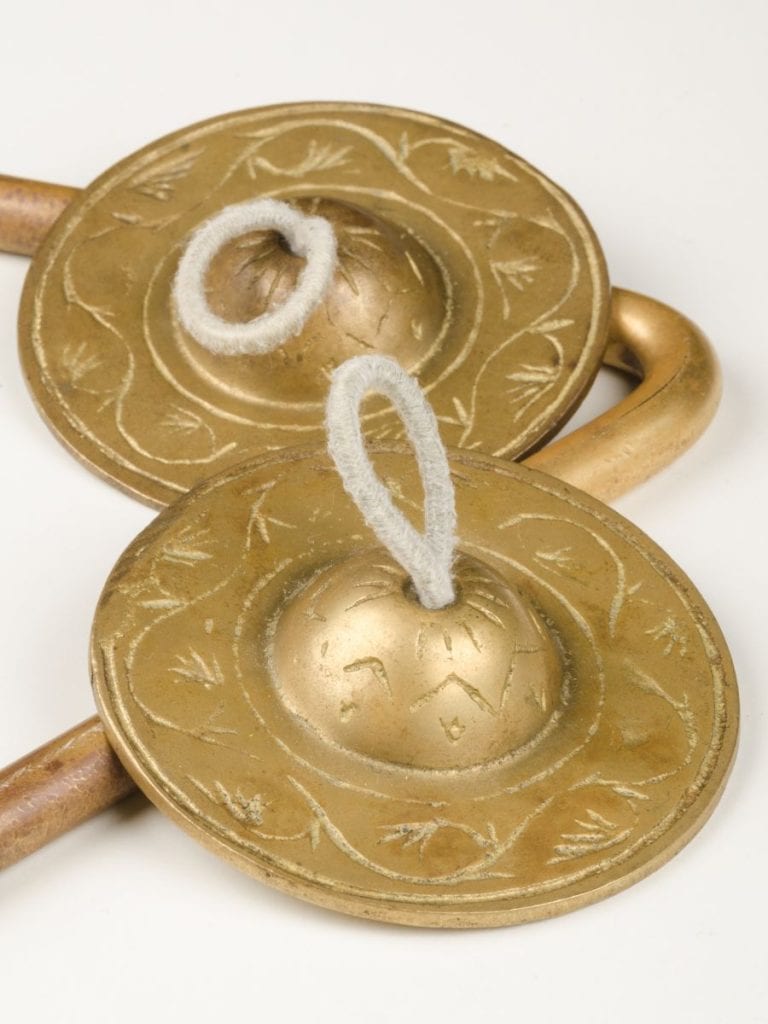
Dancers often perform floor work, use finger cymbals called zils, and dance to upbeat music featuring instruments like the clarinet, darbuka, oud, and ney.
Turkish performances also tend to allow more freedom in both movement and costuming. This gives the dance a more dramatic cabaret-style feeling than the softer, more restrained Egyptian style.
My First Experience Watching Turkish Belly Dance
The first time I saw Turkish belly dancing in person was during a balık ve meze night at Ala while celebrating a friend’s birthday.
Honestly, it wasn’t really my cup of tea, and I remember feeling slightly uncomfortable because it was so different from what I was used to culturally.
What stood out to me most, though, was how normal it felt to everyone around me. Nobody was staring awkwardly or reacting dramatically. It was simply part of the atmosphere and cultural experience of the evening.
That was when I realized that Turkish belly dance is about much more than tourism or entertainment.
It’s also tied into social traditions, nightlife, music, and centuries of cultural history that still show up in everyday life across Turkey today.
A Brief History of Turkish Belly Dance
Like many traditional dances, Turkish belly dance evolved over centuries through a mix of cultural influences rather than from one single origin point.
Ottoman Influence
During the Ottoman period, dancers performed at celebrations, festivals, private gatherings, and entertainment venues across the empire. Over time, the style developed a reputation for being more energetic and theatrical than neighboring dance traditions.
Romany Influence
Modern Turkish belly dance is generally considered more connected to its Romany lineage than to Egyptian or Lebanese styles. Historically, it was also widely recognized as the Ottoman oriental dance known as Rakass. (Source: World Belly Dance)
That influence can still be seen today in the fast rhythms, improvisational movements, dramatic floor work, and lively audience interaction often associated with Turkish performances.
Cabaret and Tourism Culture
In the 20th century, Turkish belly dance became more connected to nightclub and cabaret culture, especially in Istanbul. Hotels, restaurants, and entertainment venues began featuring performances regularly as tourism expanded throughout the country.
Today, many performances are designed with international visitors in mind, particularly in places like Istanbul and Cappadocia. Even so, Turkish belly dance continues to reflect a blend of Ottoman history, regional music traditions, and modern entertainment culture that has evolved over generations.
What Makes Turkish Belly Dance Different?
While many people group all belly dancing together, Turkish and Egyptian styles actually feel very different once you start watching them side by side. The music, movements, costumes, and even the overall performance style all have their own distinct energy.
Movement Style
Egyptian belly dance is usually softer and more controlled, with flowing movements and subtle isolations. Turkish belly dance tends to be faster, sharper, and more theatrical, often including dramatic backbends, floor work, and stronger pelvic movements.
Turkish dancers also frequently use finger cymbals called zils during performances. Audience interaction and improvisation are also more common in Turkish-style shows.
Music and Rhythm
The music itself has a noticeably different feel between the two styles.
Egyptian performances often use slower orchestral music, while Turkish belly dance is typically paired with upbeat rhythms and lively instruments like the clarinet, darbuka, oud, and ney.
One rhythm commonly associated with Turkish belly dance is Karşılama, a fast-paced rhythm connected to traditional folk dancing.
Even if you don’t know the technical differences, you can usually feel the higher energy immediately when the music starts.
Costumes and Performance Style
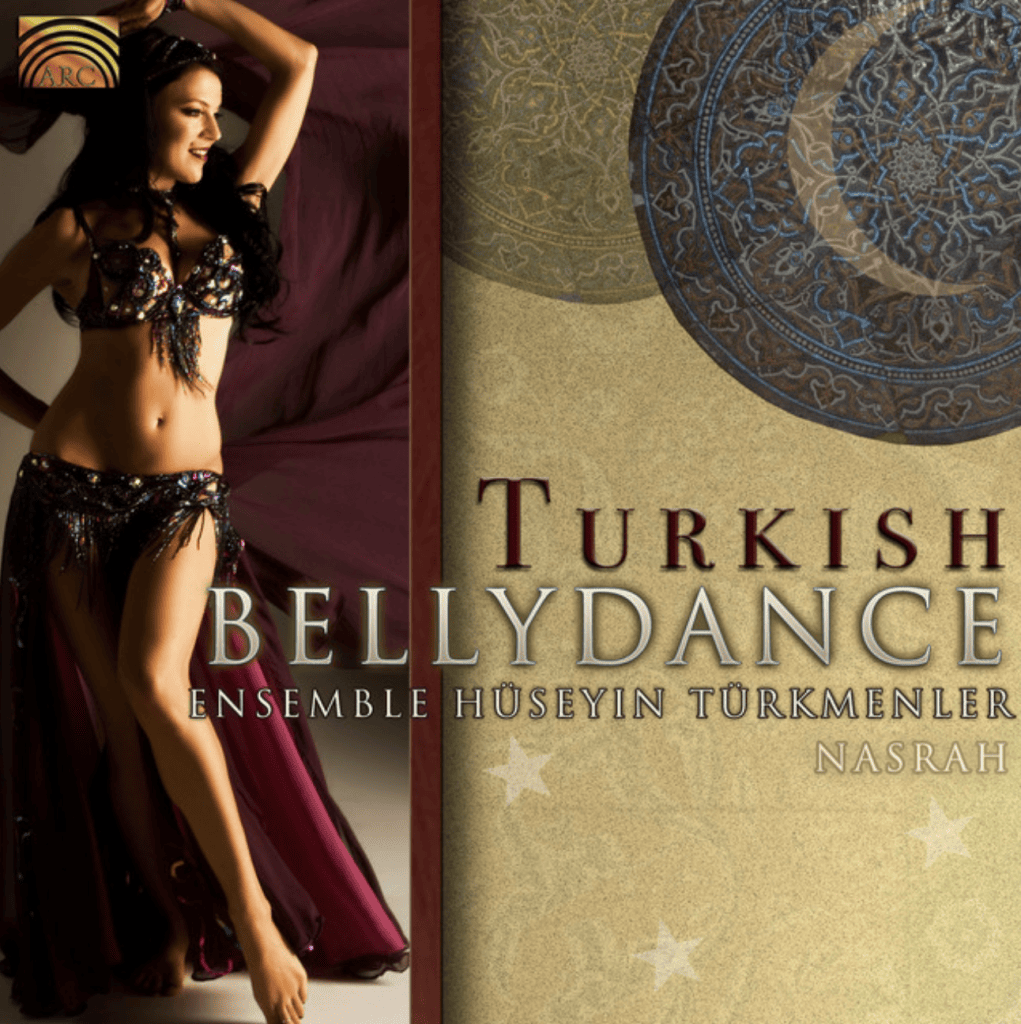
Turkish belly dance costumes also tend to be more dramatic and revealing than Egyptian styles. Dancers are often covered in beads, sequins, and coins that move and shimmer along with the music.
Modern Turkish performances also lean heavily into cabaret and entertainment culture, especially in tourist areas like Istanbul and Cappadocia.
Many shows are designed to feel lively, interactive, and high-energy rather than formal or restrained.
Egyptian belly dance often feels elegant and emotionally expressive, while Turkish belly dance feels bold, energetic, and designed to pull the audience into the performance.
Turkish Belly Dance Movements and Style
One of the things that makes Turkish belly dance so recognizable is the dramatic and athletic movement style.
The Turkish Drop
Probably the most famous move is the Turkish drop. This dramatic movement involves the dancer dropping suddenly toward the floor while balancing on one leg before springing back up almost instantly.
It looks incredibly impressive live, but honestly, it also looks brutal on the knees.
Backbends and Floor Work
Turkish belly dance is also known for dramatic backbends and floor work. Dancers often lean far backward while maintaining fluid upper body movements, creating some of the most visually striking moments in the performance.
Floor work appears much more often in Turkish-style performances than in Egyptian belly dance. This contributes to the more theatrical cabaret feeling associated with Turkish shows.
Pelvic and Hip Movements
Another defining feature is the strong emphasis on pelvic and hip movements. Turkish dancers are known for fast hip accents, sharp isolations, and energetic shimmies that match the rapid pace of the music.
As part of the Foreign Women of Istanbul group, I once attended a belly dancing class where a professional dancer invited us to try some of the movements ourselves.
It was incredibly hard work, and honestly, the rhythm did not come naturally to my body at all. Trying even the basic movements gave me a completely different appreciation for how much coordination, muscle control, and practice Turkish belly dancing actually requires.
Watching professional dancers afterward felt entirely different once I had experienced how difficult the dance is to perform.
Turkish Belly Dance Music and Rhythm
A huge part of what makes Turkish belly dance feel so energetic is the music. Even before the dancing starts, the fast rhythms and layered instruments create an atmosphere that immediately grabs your attention.
Traditional performances often feature instruments like the clarinet, darbuka, oud, and ney. The clarinet in particular surprised me because it gives Turkish belly dance music a much livelier and almost celebratory sound.
Zils and Rhythm
Turkish dancers are also especially known for using finger cymbals called zils. These small cymbals are attached to the fingers and played by the dancers themselves while performing.
The constant rhythm from the zils adds another layer of energy to the performance and highlights the coordination required to dance and keep rhythm simultaneously.
Where to See Turkish Belly Dance in Turkey
One thing I didn’t realize is how different the experience feels depending on where you watch a performance. Some shows lean heavily into tourism and spectacle, while others feel much more tied to traditional music, dining culture, and nightlife.
Istanbul
Istanbul is probably the easiest place to experience Turkish belly dance for the first time. Many performances happen during dinner shows, Bosphorus cruises, or cultural nights that combine multiple traditional dances into one evening.
One of the more well-known options is the Hodjapasha Cultural Center near Sultanahmet. The performances there feel a bit more focused on Turkish cultural heritage overall rather than only belly dancing, which makes it a good introduction if you want a broader cultural experience.
I’ve also seen performances woven naturally into nights out at restaurants and meyhanes, especially during larger celebrations or group dinners.
Bosphorus Dinner Cruises
If you want something more entertainment-focused, Bosphorus dinner cruises are probably the most popular option. These usually combine dinner, music, belly dancing, folk dances, and views of Istanbul lit up at night from the water.
They can definitely feel touristy at times, but honestly, the atmosphere can still be really fun if you go in expecting more of a lively night out than a deeply traditional cultural performance.
One thing that actually makes this cruise stand out in Turkey is the optional unlimited alcohol upgrade, since alcohol can be surprisingly expensive here.
Cappadocia
Cappadocia offers a very different setting for Turkish dance performances. Many shows take place inside cave restaurants or underground venues in Göreme, which makes the whole experience feel much more dramatic and memorable.
Most cultural nights in Cappadocia combine belly dancing with folk dances from different regions of Turkey. The atmosphere tends to feel more immersive simply because the cave setting itself is already such a unique part of the experience.
Marmaris
Down in Marmaris, belly dance shows are often tied more closely to nightlife and beach tourism. These performances usually feel more interactive and high-energy, with audience participation playing a much bigger role.
If you’re someone who enjoys lively vacation entertainment and doesn’t mind being pulled into the fun occasionally, Marmaris shows can honestly be a really entertaining night out.
FAQs About Turkish Belly Dance
Is belly dancing popular in Turkey?
Yes, belly dancing is still a recognizable part of Turkey’s entertainment and tourism culture. While you probably won’t see spontaneous performances in everyday life, it remains popular at cultural shows, dinner cruises, weddings, nightlife venues, and tourist performances.
What is Turkish belly dance called?
Turkish belly dance is often referred to as oryantal dans in Turkish, which translates to “oriental dance.” Historically, it was also associated with the Ottoman dance style known as Rakass.
How is Turkish belly dance different from Egyptian style?
Turkish belly dance is generally faster, more theatrical, and more energetic than Egyptian belly dance. It often includes dramatic floor work, stronger hip movements, audience interaction, and the use of finger cymbals called zils.
Where can you watch belly dancing in Turkey?
You can watch Turkish belly dance performances throughout Turkey, especially in Istanbul, Cappadocia, and coastal resort towns like Marmaris. Common places include Bosphorus dinner cruises, cultural nights, cave restaurants, hotels, and traditional Turkish entertainment venues.
Who is the most famous Turkish belly dancer?
One of the most famous modern Turkish belly dancers is Didem Kınalı, often known simply as Didem. She became widely recognized through television appearances and live performances in Turkey.
Is belly dancing part of Turkish culture?
Yes, Turkish belly dance has been connected to Ottoman entertainment culture, music traditions, and nightlife for centuries. While modern performances are often aimed at tourists, the dance itself reflects a long history of cultural influences and artistic traditions within Turkey.
Experiencing Turkish Belly Dance for Yourself
Turkish belly dance is much more than a tourist performance or a flashy stage show.
Behind the shimmering costumes and dramatic movements is a dance tradition shaped by centuries of cultural exchange, Ottoman history, Romany influences, and regional music styles that continue to evolve today.
What surprised me most after seeing performances in Turkey was how energetic and athletic the style truly is.
Watching dancers effortlessly transition between sharp hip movements, floor work, and complex rhythms gave me an entirely new appreciation for the skill involved, especially after attempting a lesson myself and realizing just how difficult it actually is.
Whether you experience it during a Bosphorus dinner cruise in Istanbul, at a cave restaurant in Cappadocia, or in a cultural performance elsewhere in the country, Turkish belly dance offers a fascinating glimpse into one of Turkey’s most recognizable artistic traditions.
And even if you leave without mastering the Turkish drop, chances are you’ll still walk away humming the music afterward.
Turkey Vacation Basics
When I plan a trip these are the websites I use. I hope they help you plan your next adventure as well!
FLIGHTS: I am a huge fan of Skyscanner.
VISAS: You can use the free e-visa portal here but for a few extra dollars you can use iVisa and someone else will handle any issues that may come up.
E-SIM: When I traveled to SE Asia I discovered e-sims and I’m never going back. Airalo has been easy and cheap!
TRAVEL INSURANCE: I use TravelInsurance.com for my trips abroad.
CAR RENTAL: I have loved working with Discover Cars when I rent cars in country.
AIRPORT TRANSFERS: I have used these transfers many times and they are always great. If you’d like more options, I also recommend GetTransfers.com as they allow you to compare companies.
ACCOMMODATION: Find the best Turkey hotel deals on Booking.com.
CITY TOURS & DAY TRIPS: You can browse GetYourGuide’s website to find just the tour you’re looking for! We also recommend the MegaPass for major cities.
