
23 Tips for Traveling to Turkey: What to Know Before You Go
The Art of Living in Turkey contains affiliate links and is a member of the Amazon Services LLC Associates Program. If you make a purchase using one of these Amazon links, I may receive compensation at no extra cost to you. See my Disclaimers for more information.
If you’re planning on traveling to Turkey, there are a few things you should know before you go.
From how taxis work to why you should always carry tissues, Turkey has its own way of doing things that can catch travelers off guard.
After living here since 2019, I’ve learned many of these lessons the hard way—like the time I couldn’t find something as simple as band-aids where I expected or got caught off guard by how differently everyday things work.
These are the most important travel tips to help you avoid common mistakes and actually enjoy your trip to Turkey.
Before Traveling to Turkey
Before traveling to Turkey, there are a few important things to understand that can save you time, stress, and confusion once you arrive.
1. Visa Requirements Can Change
Turkey has updated its visa policies several times in recent years, so it’s important to check the most current requirements before your trip.
For example, U.S. citizens can currently visit visa-free for up to 90 days within a 180-day period, but this has changed in the past. Always double-check official sources before you go.
2. Turkey Is Bigger Than You Think
One of the biggest mistakes people make when traveling to Turkey is trying to see too much in one trip. Turkey is a large country, about 1.3 times the size of Texas, and getting between destinations can take longer than expected.
I’ve met so many travelers who planned to see Istanbul, Cappadocia, Pamukkale, and the coast all in one week and ended up exhausted. It is much better to pick a few key places and actually enjoy them.
3. Plan your trip Based on Your Travel Style
Turkey has a little bit of everything. I know that sounds cliché, but it really is true. You will find everything from beaches and mountains to historic cities and unique landscapes, which is exactly why it can be hard to plan a trip here.
It is easy to try to fit too much into one itinerary and end up rushing through places instead of actually enjoying them. Before you go, decide what kind of trip you actually want.
If you love history, focus on places like Istanbul and Ephesus. If you want relaxation, head to the Turkish Riviera. If you want something unique, Cappadocia is a must.
I learned pretty quickly that trying to do everything leads to a worse experience. Slowing down and focusing on just a few places made my trips so much more enjoyable.
If you are struggling to narrow it down, I put together a workbook that helps you map out your trip based on your travel style so you can make the most of your time in Turkey.
4. Check Entry Requirements Before You Go
There are currently no required vaccinations for traveling to Turkey, but it is always a good idea to check for updates before your trip. Entry requirements and regulations can change, and it is much easier to handle these things before you leave than once you arrive.
Cultural Differences to Know Before Visiting Turkey
One of the biggest adjustments when traveling to Turkey is understanding that things are done differently. Once you embrace that, your experience becomes much more enjoyable.
1. Tea Is a Big Part of Daily Life
Tea is everywhere in Turkey. You will be offered tea in shops, at restaurants, and even while waiting for services. It is not just a drink, it is a way of showing hospitality.
It can feel excessive at first, but accepting tea is often part of the social experience. I have been handed tea in situations where I did not expect it at all, and it is always meant as a kind gesture.
Because tea is offered constantly, often even late at night, it adds up quickly. Turkish tea is always black tea, so there is no decaf option.
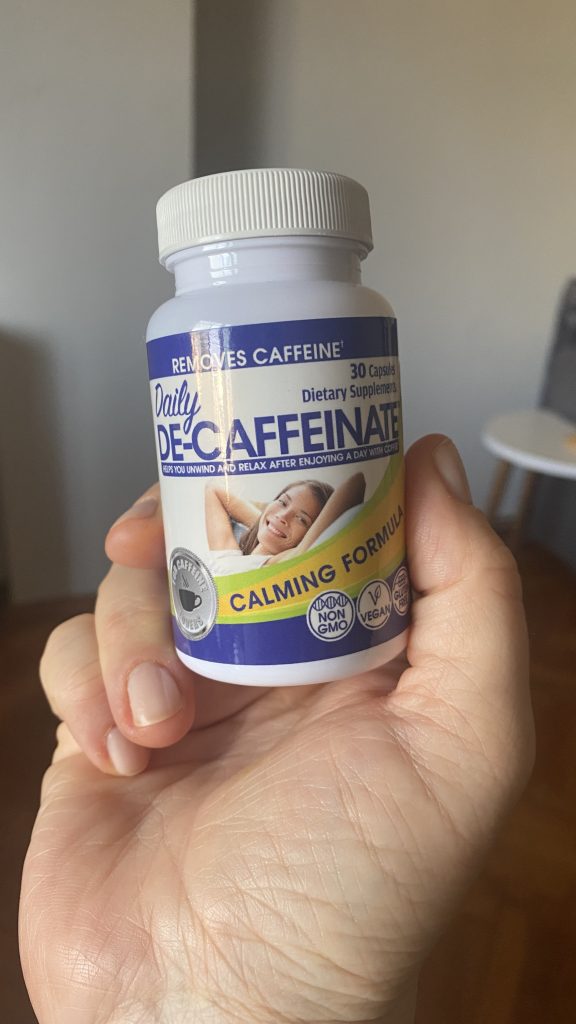
I quickly realized how much caffeine I was drinking and started using something called de-caffeinate that removes caffeine from drinks. It made a big difference when I still wanted to enjoy tea without feeling wired later.
2. Time Is More Flexible
In Turkey, people tend to prioritize relationships over strict schedules. Things may not always happen exactly on time, and plans can shift.
When I first arrived, this was frustrating because I was used to sticking to a schedule. Over time, I realized that slowing down and going with the flow made my experience much better.
3. Body Language Can Be Different
There are a few everyday gestures that can be confusing if you are not familiar with them.
A double kiss on the cheek is a common greeting. A quick upward nod can mean no. A double blink can mean yes.
These small differences can be surprising at first, but you will pick them up quickly.
4. Animals Are Part of Everyday Life
You will see cats and dogs all over Turkey, especially in cities like Istanbul. Many of them are cared for by the community, with people leaving out food and building small shelters.
At first, it might seem unusual, but it is just part of daily life here. I have seen cats lounging in shop windows and dogs calmly sleeping in busy areas, completely unbothered.
5. Learn a Few Basic Turkish Words
Even learning a few simple words in Turkish can go a long way. People are incredibly appreciative when you make the effort, even if you do not say it perfectly.
Words like “merhaba” for hello and “teşekkür ederim” for thank you are easy to learn and instantly make interactions more positive. I noticed a big difference in how people responded to me once I started using even a little bit of Turkish.
I even got comments from my expat friends on how fun it was watching me use phrases that the locals use in everyday conversation.

Money, Payments, and Costs in Turkey
Understanding how money works in Turkey will save you a lot of frustration when traveling here. While things are modern in many ways, there are still a few differences that can catch travelers off guard.
Before traveling to Turkey, it is helpful to have a general idea of the exchange rate so you can better understand pricing once you arrive.
1. Cash Is Still King
Even though many places accept cards, cash is still widely preferred in Turkey. You will often get better prices when paying in cash, especially at smaller shops or local restaurants. I always try to keep some cash on me because you never know when a card machine will not work or a place simply will not accept cards.
It is also good to have a little bit of cash on hand if you want to do a bit of tipping though it isn’t usually expected in Turkey unless you’re in a tourist area.
2. Not All Cards Are Accepted
Visa and Mastercard are widely accepted, but American Express and Discover are much less common. You may also run into issues with online payments if your card does not support 3D Secure, which is commonly required for transactions in Turkey.
3. Use ATMs Instead of Bringing Cash
Instead of bringing large amounts of foreign currency, it is usually easier to withdraw Turkish lira directly from an ATM. This is what I do most of the time, and it has been the simplest and safest option.
You can also use the WISE Card. Free ATM withdraws up to $100 a month then really low fees plus it works with multiple currencies. I’ve found it to be the easiest option for managing multiple currencies while traveling here.
4. Prices Can Surprise You
Prices in Turkey can vary a lot depending on where you are. Tourist areas are significantly more expensive than local spots, and prices can change quickly.
I learned this the hard way at a fish restaurant where I did not check the menu prices ahead of time and ended up paying much more than expected. Now I always make sure to see a menu with prices before ordering.
5. Typical Costs in Turkey
While prices change often, here is a general idea of what you can expect. Public transportation is very affordable. Domestic flights are usually inexpensive.
Taxis can add up depending on traffic and if you cross the Bosphorus or not. Meals can range from cheap street food to higher-end dining. Accommodation varies widely depending on location and style.
Gifts and souvenirs can vary quite a bit in price depending on where you shop. The Grand Bazaar is a great experience, but prices there are often higher. I’ve found that if you walk just outside into areas like Eminönü, you can often find the same items for much less.
Practical Travel Tips for Turkey
These are the small things that can make a big difference when traveling to Turkey. Most of these are things I had to learn the hard way.
1. What Floor Am I On
In Turkey, buildings start with floor zero instead of one. That means what you would call the first floor in the United States is actually floor zero, and the next level up is floor one.
This becomes important when ordering food or giving directions. I have definitely given the wrong floor number before and had to go searching for my delivery.
2. Always Carry Tissues
Public restrooms are fairly common, but toilet paper is not always guaranteed, especially outside of major cities. I always keep a small pack of tissues in my bag because I have needed them more times than I can count.
Also, do not flush toilet paper. There are usually signs telling you to throw it in the bin instead as the pipes are so old, they can’t handle it.
3. Be Prepared for Squat Toilets
While many places now have Western-style toilets, squat toilets are still common, especially in rural areas or in the oldest parts of the city, like the toilets around the ports.
The first time you see one it might feel intimidating, but you get used to it quickly. Just make sure you are prepared before you need to use one.
4. Tap Water Is Not the Best Option
Technically, tap water in many areas is safe, but most locals do not drink it.
It often has a strong taste and high mineral content, so it is better to stick with bottled water or the large refillable water containers that many locals use.
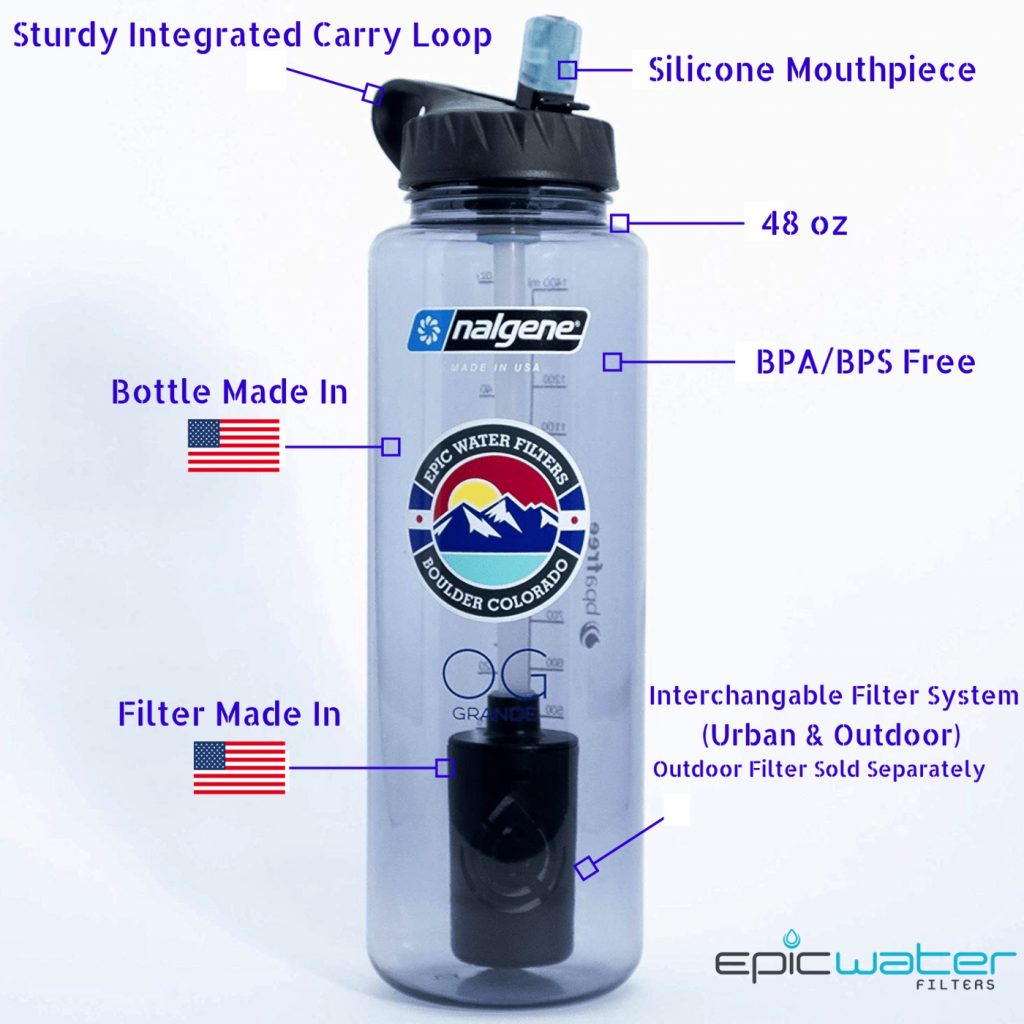
When out and about, Epic water filters are great but I still use tap water for cooking, but I avoid drinking it directly.
5. Stay Connected with a SIM or eSIM
Having internet access makes traveling in Turkey much easier and safer. Whether you choose a local SIM card or an eSIM, it is worth setting up early in your trip.
I personally prefer using an eSIM because it is quick and easy, but either option will work.
6. Some Websites Are Restricted
Certain websites like Booking.com and PayPal have restrictions in Turkey.
If you run into issues accessing them, using a VPN is an easy workaround. I have had to do this a few times and it saves a lot of frustration.
7. Bring the Right Plug Adapter
Turkey uses Type C and Type F plugs, which may be different from what you use at home.
I learned this the hard way when I arrived and realized I could not charge anything without an adapter. It is a small thing, but it makes a big difference once you get there. This is the one I personally use.
Is It Safe to Travel to Turkey
Turkey is generally a safe place to travel, but like anywhere in the world, there are a few things you should be aware of to avoid problems.
1. Overall Safety
I have been living in Turkey since 2019, and I often feel safer here than I have in some places in the United States.
It is still important, however, to stay aware of your surroundings, especially in busy or tourist-heavy areas.
To be safe on the streets in Turkey, make sure you keep your money and passport in your money wallet or deep in your travel purse or backpack.
2. Solo Travel
If you are traveling solo, Turkey is still a great destination. As a solo female traveler, I have felt comfortable living and traveling here.
You may get more attention than you are used to, especially depending on how you dress, but it is usually more curiosity than anything else.
Be aware that carrying pepper spray is illegal (see this website) even if you are defining yourself. Only citizens can carry it and only with a psych evaluation.
3. Common Scams to Watch For
There are a few scams that come up often in tourist areas.
Avoid starting a tab at bars or restaurants. It is better to pay as you go so you are not surprised at the end.
If someone drops something in front of you, it is best to leave it alone. Some people use this as a way to pressure you into paying.
Be cautious with services like shoe shining unless you know the price upfront. You may be quoted a much higher price after the service is done.
4. Be Aware of Pick pocketing
Like most major cities, pick pocketing can happen in crowded areas.
Keep your belongings secure, especially in busy places or on public transportation. I usually keep my valuables in a secure pocket or wear my bag in front when it is crowded.
5. Dress and Cultural Awareness
You can wear what you want in most places, but dressing more modestly can help you avoid unwanted attention, especially outside of major cities.
If you are visiting a mosque, you will need to dress appropriately and cover certain areas.

Food and Dining Tips in Turkey
Food is one of the best parts of traveling to Turkey, but there are a few things to know so you do not get caught off guard.
1. Always Ask for a Menu with Prices
This is especially important in tourist areas. I learned this the hard way when I went to a fish restaurant with a few Turkish friends. I assumed they knew what they were doing, so I did not think to check prices.
At the end of the night, my portion was far more expensive than I expected. Now I always make sure to see a menu with prices before ordering anything.
2. Prices Can Add Up Quickly
Meals in Turkey can be very affordable, but they can also become expensive depending on where you are and what you order.
Places that serve fish, mezes, and alcohol can get pricey fast, especially if you are not paying attention. You pay per plate unless you get the fixed menu.
3. You Do Not Need to Try Everything
Turkish food is incredible, but there is a lot of it. If it is your first trip, do not feel like you need to try everything. Focus on a few dishes you are excited about and enjoy them instead of trying to rush through everything.
If you are vegetarian/vegan, there are also lots of great options. Turkey loves to use beans and lentils in many of their dishes.
4. Expect Bold Flavors
One thing that surprised me about Turkish food is how much flavor is packed into even the simplest dishes. What looks like a basic meal can end up being incredibly rich and layered.
Spices like cumin, red pepper flakes, mint, and garlic are used often, but it is not just about spice. It is how everything is balanced together that really stands out.
I remember ordering what I thought would be something simple and being caught off guard by how much flavor it had. It is one of the reasons food in Turkey is so memorable.
I especially love eating at lokantas, where you can try a variety of dishes in one meal and experience all of those different flavors at once.
Best Places to Visit in Turkey
Turkey has so much to offer, and where you go will depend on what kind of trip you want to have. These are a few of the most popular and worthwhile places to consider.
1. Istanbul
Istanbul is the heart of Turkey and the place most travelers start. It is the only city in the world that spans two continents and is full of history, culture, and incredible food. You could easily spend several days here and still not see everything.
2. Cappadocia
Cappadocia is one of the most unique places in Turkey. Known for its fairy chimneys and hot air balloons, it offers landscapes that feel completely different from anywhere else. Taking a balloon ride here was one of the best travel experiences I have had.
3. Pamukkale
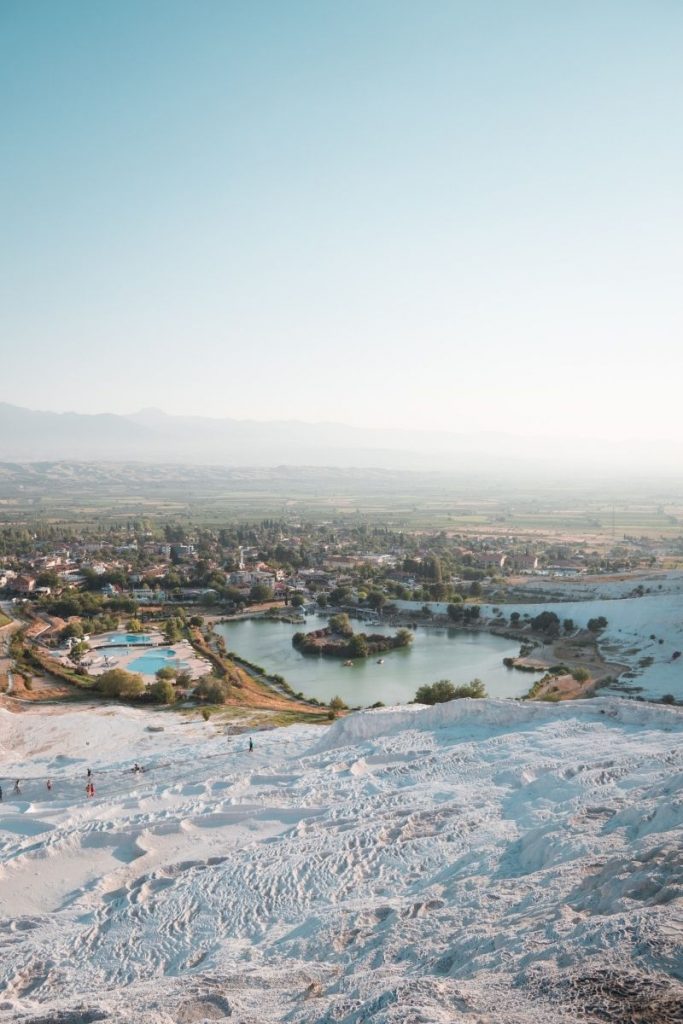
Pamukkale is famous for its white mineral terraces and thermal pools. It is definitely worth seeing, but you do not need much time here. Most people visit for a day or stay one night before moving on.
4. The Turkish Riviera
If you are looking for beaches and relaxation, the Turkish Riviera is the place to go. Areas like Antalya offer beautiful water, warm weather, and a slower pace compared to the larger cities.
5. Consider the Museum Pass
If you plan to visit multiple historical sites or museums, the Museum Card can save you money and time by allowing you to skip lines.
It is not worth it if you are only visiting a couple of places, but if you plan to explore several sites, it can be a good investment.
FAQs About Traveling to Turkey
Do you need cash in Turkey?
Yes, it is a good idea to carry cash. While many places accept cards, smaller shops and local restaurants often prefer cash, and card machines do not always work.
Can you drink tap water in Turkey?
Tap water is technically safe in many areas, but most locals do not drink it due to taste and mineral content. It is better to stick with bottled water.
Do people speak English in Turkey?
In major cities and tourist areas, many people speak some English. However, learning a few basic Turkish words can go a long way and is always appreciated.
What is the best way to get around Turkey?
Public transportation works well in cities like Istanbul, but for traveling between regions, domestic flights or rental cars are often the best options.
What Traveling to Turkey Is Really Like
Traveling to Turkey is an incredible experience, but it is definitely a place where knowing a few things ahead of time can make a big difference.
From understanding how daily life works to avoiding small but frustrating surprises, these tips will help you feel more confident and prepared when you arrive.
After living here for years, I can honestly say that once you adjust to how things work, Turkey becomes one of the most rewarding places to travel. The culture, the food, and the people make it a place you will not forget.
If you take anything away from this, let it be this. Stay flexible, stay curious, and embrace the differences. That is where the best experiences happen.
Planning a Trip to Turkey?
- Check out this post on visiting during Ramadan
- Before you go, learn a little about Turkish culture with these 5 sayings
- Explore beyond Istanbul, from Istanbul: 11 day-trips you shouldn’t miss
Turkey Vacation Basics
When I plan a trip these are the websites I use. I hope they help you plan your next adventure as well!
FLIGHTS: I am a huge fan of Skyscanner.
VISAS: You can use the free e-visa portal here but for a few extra dollars you can use iVisa and someone else will handle any issues that may come up.
E-SIM: When I traveled to SE Asia I discovered e-sims and I’m never going back. Airalo has been easy and cheap!
TRAVEL INSURANCE: I use TravelInsurance.com for my trips abroad.
CAR RENTAL: I have loved working with Discover Cars when I rent cars in country.
AIRPORT TRANSFERS: I have used these transfers many times and they are always great. If you’d like more options, I also recommend GetTransfers.com as they allow you to compare companies.
ACCOMMODATION: Find the best Turkey hotel deals on Booking.com.
CITY TOURS & DAY TRIPS: You can browse GetYourGuide’s website to find just the tour you’re looking for! We also recommend the MegaPass for major cities.
