
Dating Turkish Men: What They’re Really Like in Relationships

The Art of Living in Turkey contains affiliate links and is a member of the Amazon Services LLC Associates Program. If you make a purchase using one of these Amazon links, I may receive compensation at no extra cost to you. See my Disclaimers for more information.
If you’re dating a Turkish man, or thinking about dating Turkish men, you’ve probably wondered:
Are Turkish men romantic?
Are they jealous?
Are they serious about relationships?
How do Turkish men treat women?
After living in Turkey since 2019 and navigating friendships, dating experiences, and countless cultural conversations, I’ve seen both the beautiful and the complicated sides of relationships here.
Most of my experiences with Turkish men have been overwhelmingly positive. I’ve also had a few encounters that made me uncomfortable. Like anywhere in the world, there are incredible men, and there are men you should walk away from.
The difference often comes down to cultural context. Turkey is not one uniform culture.
Dating in Istanbul looks very different from dating in a small village in the Southeast or along the Black Sea. Generational differences matter too. A 25-year-old urban professional may approach relationships very differently than someone raised in a more traditional environment.
In this article, I’ll walk you through what Turkish men are typically like in relationships, whether they’re good lovers, how they treat women, signs a man is serious, red flags to watch for, and the cultural nuances that often surprise foreign women.
Of course, not all Turkish men are the same. These are patterns I’ve observed, not rules. But understanding the cultural backdrop can help you avoid misunderstandings and navigate dating with more confidence.
Let’s get into it.
What Are Turkish Men Like in Relationships?
Are Turkish men relationship-oriented? In many cases, yes. Turkish men often take relationships seriously and are raised with long-term commitment in mind. While casual dating exists, especially in big cities like Istanbul, many men grow up viewing relationships as something that eventually leads toward marriage.
One of the first things many foreign women notice is how expressive Turkish men can be. Compared to more reserved cultures, they are often comfortable giving compliments, showing affection, and openly expressing their feelings. This emotional openness can feel refreshing, though sometimes intense.
Hospitality and generosity are deeply ingrained cultural values. Many Turkish men take pride in providing, paying, helping, and “taking care of” the woman they are dating. This is not always about control. Often, it is about cultural expectations around masculinity, protection, and pride.
Respect for tradition also plays a role. Turkish culture places strong value on heritage, customs, and social norms.
In some families, this can translate into clearer expectations about gender roles or behavior within a relationship. In others, especially among younger and more urban generations, relationships may feel far more egalitarian.

Family influence is significant. A Turkish man’s relationship with his family, particularly his mother, can strongly shape how he approaches commitment and responsibility. Family approval often matters, and being introduced to parents is usually a meaningful step.
It is also important to understand that Turkey is not culturally uniform. Dating someone from Istanbul may feel very different from dating someone from the Black Sea region or a small village in the Southeast.
Generational differences matter just as much as geography. A young urban professional will likely approach relationships differently than someone raised in a more traditional environment.
Sensitivity and emotional expressiveness are common traits, but emotional intelligence varies from person to person. Just because someone expresses emotion freely does not automatically mean they communicate perfectly. Like any intercultural relationship, misunderstandings can happen.
Overall, many Turkish men are passionate, relationship-focused, and family-oriented. But as with anywhere in the world, compatibility depends on shared values, communication, and mutual respect.
Are Turkish Men Good Lovers?
Many women describe Turkish men as passionate, expressive, and attentive in relationships. Emotional intensity and romance are often culturally encouraged, which can make dating feel exciting and deeply personal.
Turkish men are generally not shy about expressing admiration. Compliments, affectionate gestures, and romantic language can come quickly. For women coming from more reserved cultures, this directness can feel refreshing. For others, it may feel overwhelming.
Turkish men are also very verbally affectionate. It is common to hear phrases like “balım” (my honey), “tatlım” (my sweet), or “hayatım” (my life) early in dating. For someone from a more reserved culture, this can feel incredibly romantic or slightly overwhelming, depending on the context.
I once had a younger man approach me who could not stop telling me how beautiful I was. My eyes. My hair. Over and over. At first, it felt flattering. By the end of the evening, it felt like too much. Intensity can be charming, but it needs balance.
Turkish dating culture tends to be more physically expressive. Holding hands, affectionate touch, and romantic intensity can develop quickly.
That romantic energy is real, though. I’ve danced at my favorite meyhane after a table full of mezes and felt completely swept up in the moment. Turkish culture embraces passion. That can translate into warmth, physical affection, and emotional availability in relationships.
However, passion does not automatically equal compatibility. Expressiveness varies by personality, region, and upbringing. Some men are traditional and reserved. Others are bold and confident. Just like anywhere in the world, emotional maturity matters more than nationality.
In short, many Turkish men bring intensity and romance into relationships. Whether that feels wonderful or overwhelming depends on your own expectations and boundaries.
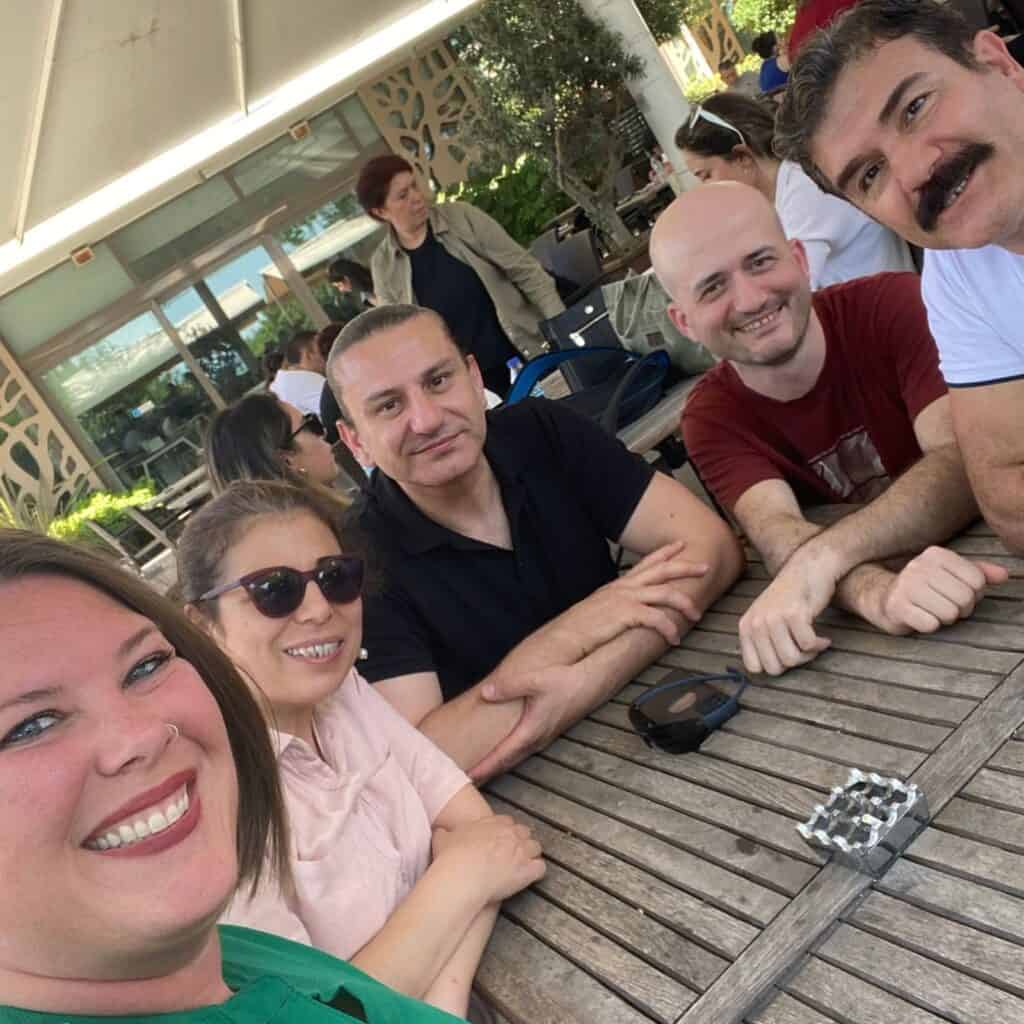
How Do Turkish Men Treat Women?
Many Turkish men are raised to protect, provide for, and take care of the women in their lives. This often translates into generosity, attentiveness, and a strong sense of responsibility within relationships.
Hospitality is a core value in Turkish culture. Offering help, insisting on paying, making sure you get home safely, and checking in on you are often seen as signs of care and respect. For some women, this feels reassuring and romantic.
However, cultural expectations around gender roles can shape behavior. In more traditional environments, men may feel responsible for leading or protecting in ways that can feel paternalistic to foreign women. What one person experiences as caring, another may experience as restrictive.
A friend of mine who married a Turkish man shared that he initially felt uncomfortable with her going out alone at night. In his cultural framework, that was about safety and responsibility. In hers, it felt limiting. After honest conversations, they found a compromise that respected both perspectives.
This is where context matters. Urban, younger, and more globally exposed men often approach relationships differently than those raised in more conservative settings. Turkey is diverse, and so are its men.
It is also important to distinguish between care and control. Genuine care respects your autonomy. Control dismisses it. Healthy relationships require communication, compromise, and mutual respect, regardless of culture.
Understanding the cultural backdrop can help you interpret behavior more accurately. But boundaries still matter. If something consistently makes you uncomfortable and cannot be discussed openly, that is a relationship issue, not just a cultural difference.
Are Turkish Men Controlling or Jealous?
Jealousy can be more culturally normalized in some parts of Turkey than in many Western countries. How it shows up, however, depends heavily on personality, upbringing, and region.
In more traditional circles, protectiveness is often framed as care. A man may want to know where you are, who you are with, or how you are getting home. In his cultural framework, this can feel responsible and loving. In yours, it might feel intrusive.
Many foreign women describe feeling “protected” when dating Turkish men. Others describe feeling monitored. The difference usually comes down to communication and boundaries.
There is also a broader social pressure element that many foreign women do not initially see. I once spoke with my Turkish business partner about women traveling alone or going on vacation with female friends.
He explained that in many circles, especially outside progressive urban communities, this can be viewed negatively. Even modern men may feel pressure. Friends or family might question them with comments like, “Are you even a man if you let your wife go off like that?”
In some communities, masculinity is still tied to visible authority within a relationship. That does not mean every man personally believes this. But cultural expectations can influence behavior in subtle ways.
This does not excuse control. It explains context.
Jealousy itself is not automatically a red flag. In moderation, it is a normal human emotion. The problem arises when jealousy turns into restriction or emotional pressure.
For example:
- Not wanting you to travel alone with friends
- Expecting constant updates about your location
- Becoming angry when you interact casually with other men
- Trying to limit your independence
Cultural differences can explain behavior, but they do not excuse disrespect.
It is also worth understanding how social signaling differs. In the United States, smiling and prolonged eye contact can simply signal friendliness. In some Turkish contexts, that same behavior may be interpreted as romantic interest. Learning those social cues can prevent unnecessary misunderstandings.
There is a separate dynamic in tourist-heavy areas, where some men move very quickly and express strong feelings early on. Intensity can feel romantic, but without consistency, it can blur into possessiveness.
If you feel your autonomy shrinking instead of expanding, pay attention. Jealousy that leads to isolation, fear, or control is not cultural. It is unhealthy.

How to Tell If a Turkish Man Is Really Interested
In most cases, a Turkish man who is genuinely interested will show consistency, make future-oriented plans, and involve you in his real life, not just romantic moments.
Here are some clear signs to look for:
1. He Introduces You to His Inner Circle
Family and close friends matter deeply in Turkish culture. If he introduces you to his friends, siblings, or especially his mother, that is usually significant.
A casual relationship often stays private. A serious one becomes visible.
2. He Talks About the Future
If he discusses future trips, long-term plans, or where you both might live someday, he is thinking beyond the present.
In Turkey, relationships often move quickly toward long-term thinking. That does not automatically mean marriage tomorrow, but it does mean intention.
3. He Is Consistent, Not Just Intense
Turkish men can be very expressive early on. Compliments, affection, and strong emotions may come quickly.
The key difference between infatuation and seriousness is consistency.
Does he:
- Follow through on plans?
- Keep communication steady?
- Show up when he says he will?
- Respect your time?
Intensity without consistency is just excitement. Consistency is an investment.
4. He Respects Your Boundaries
A man who is serious will want you to feel secure. He may not fully understand your cultural expectations at first, but he will listen when you explain them.
If he adjusts his behavior after a conversation, that is a very good sign.
5. He Is Curious About Your Life, Not Just Your Appearance
Compliments are common in Turkish dating culture. Many men are very vocal about physical beauty.
But genuine interest goes deeper.
Does he:
- Ask about your goals?
- Want to understand your culture?
- Learn about your family?
- Remember small details about your life?
Surface-level praise feels flattering. Depth feels stable.
A Cultural Note About Intensity
It is also important to understand that Turkish men are often far more forward than American men.
Direct compliments, fast emotional expression, and even talk of marriage early on are not uncommon. I have personally received multiple marriage proposals and even engagement suggestions from men I had shown little to no romantic interest in.
This does not automatically mean manipulation. Sometimes it reflects cultural boldness, romantic idealism, or even curiosity about foreign women.
However, intensity is not the same as commitment.
If a man is proposing a future within days or weeks but has not taken time to truly know you, slow down. Serious interest is steady, not impulsive.
In Turkey, passion can move quickly. Stability should still take time.
A Small Warning
Be cautious if:
- He talks about marriage or moving countries within days.
- He pressures you to commit very quickly.
- His interest feels urgent rather than steady.
Romance is beautiful. Urgency can be a red flag. Take your time. Observe patterns, not just words.
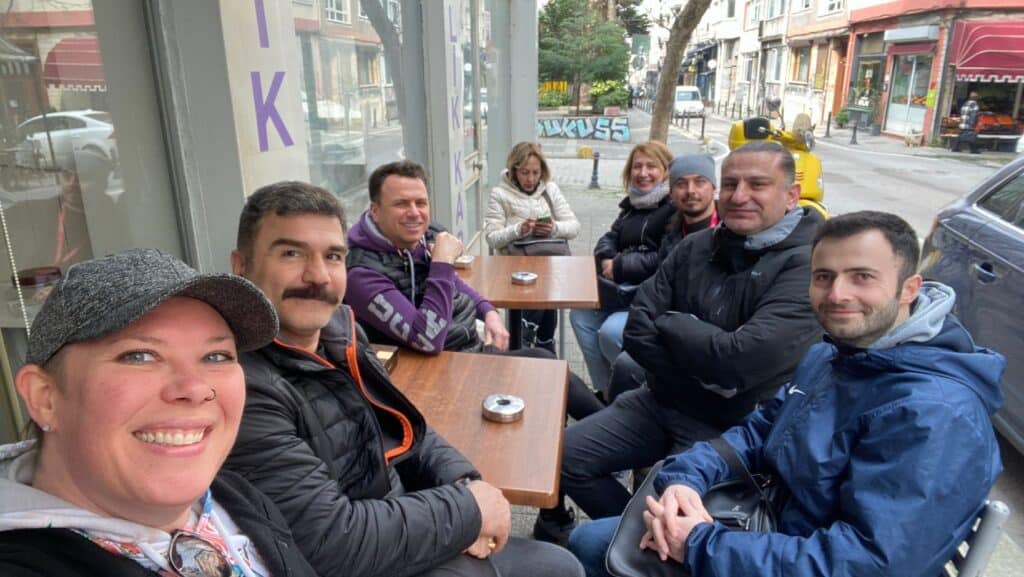
Cultural Differences to Understand
Dating across cultures means you are not just learning about a person. You are learning an entire framework of values, family dynamics, and social expectations.
Understanding these differences can prevent unnecessary conflict.
1. Family Is Central
In Turkey, family is not background noise. It is central.
Many Turkish men have very strong bonds with their parents, especially their mothers. Family opinions can influence relationship decisions more than many Western women expect.
This does not mean he cannot think independently. But it does mean family integration is often part of serious dating.
If you are building a future together, expect family to matter.
2. Gender Roles Can Be More Traditional
Even in modern cities, traditional gender expectations still exist.
Some men grow up believing they should:
- Provide financially
- Protect physically
- Lead decision-making
Some women appreciate this dynamic. Others prefer a more equal or independent structure. The key is not whether a role is traditional. The key is whether both partners agree on it.
Cultural difference becomes conflict when assumptions are not discussed.
3. Communication Style Is Often More Indirect
Even when you share a common language, misunderstandings can still happen. I speak Turkish, and I still experience moments where tone, indirect phrasing, or cultural assumptions create confusion. Cross-cultural relationships require extra patience and clarification on both sides.
Turkish culture tends to be more indirect than American culture.
Instead of saying “I don’t like that,” someone might hint, soften their language, or expect you to read between the lines. This can cause frustration if you are used to very direct communication. This was actually the most difficult thing for me to adjust to living in Turkey.
There is also a strong cultural emphasis on relational warmth before getting to the point. In many settings, jumping straight into business or a serious topic without first asking “How are you?” or engaging in small talk can feel abrupt or even rude.
As an American, this used to feel unnecessary or even performative to me. Over time, I realized it is not manipulation. It is a cultural way of signaling respect and connection before addressing practical matters.
At the same time, emotional expression can be more open. Turkish men often express affection verbally and physically more freely than men from more reserved cultures.
You may experience emotional warmth alongside conversational indirectness.
This keeps your honesty without sounding critical.
4. Religion May or May Not Be Central
Turkey is predominantly Muslim, but religious practice varies widely.
In Istanbul and other major cities, many people identify culturally as Muslim but are not highly observant.
In smaller towns and villages, religion may play a more central role in daily life.
Before getting serious, it is wise to discuss:
- Views on religion
- Expectations around marriage
- Children and faith
- Ramadan and other practices
Assumptions in this area can create significant tension later.
5. Regional and Generational Differences Matter
I have said this before, but it is so important to really understand this. Turkey is not one uniform culture.
Dating in Istanbul looks very different from dating in the Black Sea region, Central Anatolia, or the Southeast.
Avoid sweeping generalizations. Ask questions. Stay curious. Observe how he personally thinks, not just where he is from.
If you are interested in understanding cross-cultural communication more deeply, I found the book The Culture Map especially helpful. While it focuses on workplace dynamics, many of the communication principles apply directly to relationships.


Frequently Asked Questions About Dating Turkish Men
What Are Turkish Men Like in Relationships?
Many Turkish men are relationship-oriented and raised with long-term commitment in mind. Loyalty, family involvement, and emotional expressiveness are often valued. Personality and region matter, so experiences can vary widely.
Are Turkish Men Good Lovers?
Turkish men are often described as passionate, expressive, and affectionate. Romance and verbal compliments are common. However, emotional maturity and consistency matter more than intensity.
Are Turkish Men Controlling or Jealous?
Jealousy can be more culturally normalized in some circles, often tied to ideas of protection. But there is a difference between care and control. If behavior limits your independence, that is a red flag.
How Do Turkish Men Treat Women?
Many are raised to protect and provide, which can show up as generosity and attentiveness. Traditional gender expectations may influence dynamics, so clear communication about boundaries is essential.
How Can You Tell If a Turkish Man Is Serious About You?
Look for consistency, future planning, and integration into his inner circle. Intensity alone is not commitment. Steady behavior and respect for your boundaries are stronger indicators.
Are Relationships With Turkish Men Different?
Cross-cultural relationships require more communication and adjustment. In Turkey, family influence and traditional roles may play a larger part. Shared values and mutual respect still matter most.

What You Should Know Before Dating a Turkish Man
Dating a Turkish man can be passionate, layered, and deeply rewarding. It can also require more cultural awareness than dating within your own background.
The key is not whether he is Turkish. The key is who he is.
Turkey is diverse. Some men are traditional. Some are modern. Some are romantic and steady. Others are intense but inconsistent. Like anywhere in the world, character matters more than nationality.
If you choose to date here, stay curious. Communicate clearly. Protect your boundaries. Pay attention to patterns rather than promises.
Many intercultural relationships thrive when built on mutual respect and shared values. Others fall apart when cultural differences are ignored or romanticized.
You do not need to fear dating across cultures. You simply need to date wisely.
Intercultural relationships often accelerate personal growth. They force you to examine your assumptions, communication style, and expectations more closely than dating within your own culture. That growth can be uncomfortable, but it can also be transformative.
And if you are already navigating a relationship with a Turkish man, I hope this guide helps you feel more confident, grounded, and informed as you move forward.
Planning a trip to Turkey?
- Check out what it costs to live in Istanbul
- Learn all about the national animal of Turkey
- Some food tours worth checking out!
- Find out the basics on a visa before you visit!
- Some epic Turkish series on Netflix – learn some Turkish and some culture
Turkey Vacation Basics
When I plan a trip these are the websites I use. I hope they help you plan your next adventure as well!
FLIGHTS: I am a huge fan of Skyscanner.
VISAS: You can use the free e-visa portal here but for a few extra dollars you can use iVisa and someone else will handle any issues that may come up.
E-SIM: When I traveled to SE Asia I discovered e-sims and I’m never going back. Airalo has been easy and cheap!
TRAVEL INSURANCE: I use TravelInsurance.com for my trips abroad.
CAR RENTAL: I have loved working with Discover Cars when I rent cars in country.
AIRPORT TRANSFERS: I have used these transfers many times and they are always great. If you’d like more options, I also recommend GetTransfers.com as they allow you to compare companies.
ACCOMMODATION: Find the best Turkey hotel deals on Booking.com.
CITY TOURS & DAY TRIPS: You can browse GetYourGuide’s website to find just the tour you’re looking for! We also recommend the MegaPass for major cities.
