
Power Plugs in Turkey: What Type of Socket Do You Need?
The Art of Living in Turkey contains affiliate links and is a member of the Amazon Services LLC Associates Program. If you make a purchase using one of these Amazon links, I may receive compensation at no extra cost to you. See my Disclaimers for more information.
If you’re traveling to Turkey, you’ll need to know what type of power plug and socket is used, and whether you need a travel adapter.
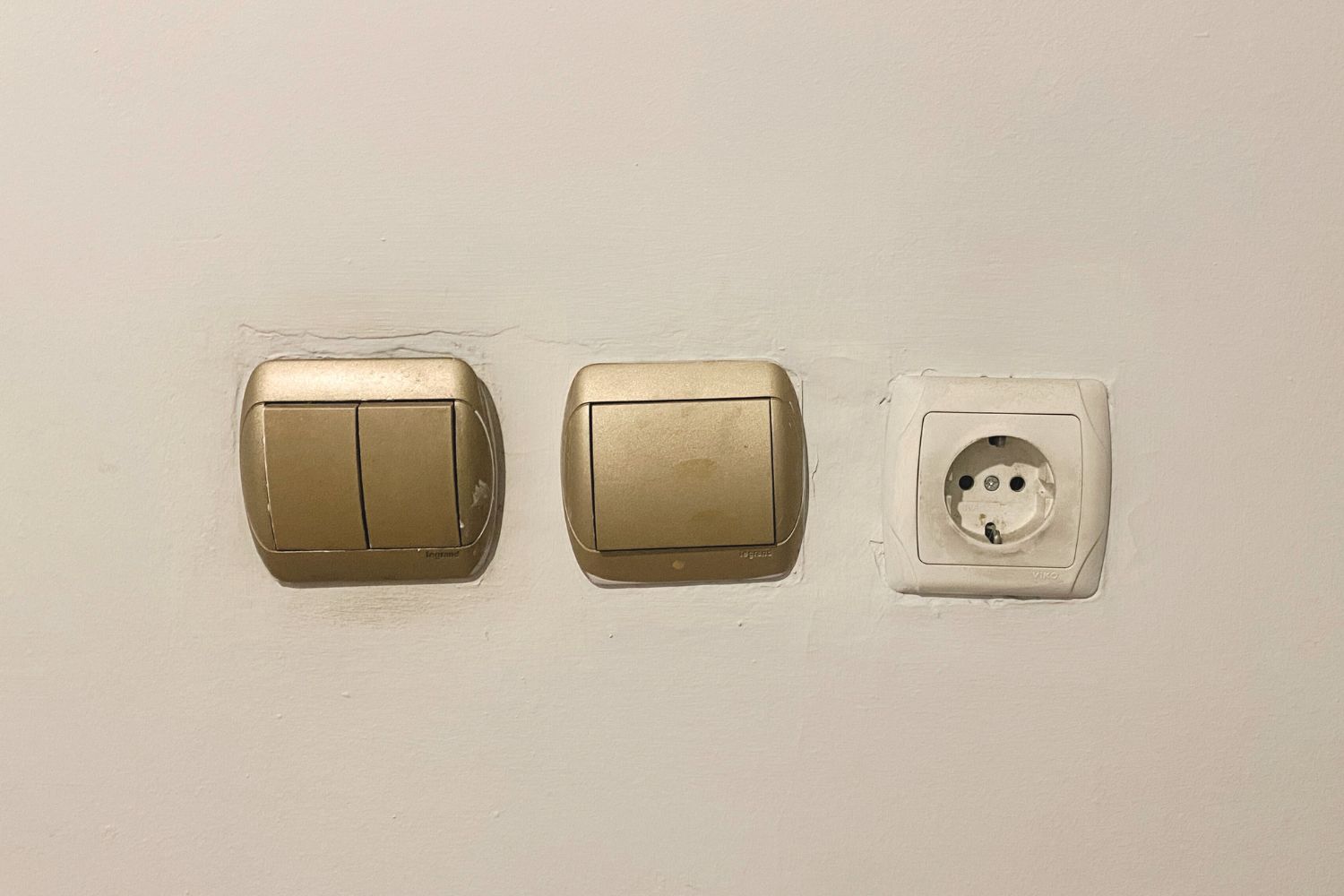
Turkey uses Type C and Type F power plugs, the same as most of continental Europe. The standard voltage is 220V (officially 230V), and the frequency is 50Hz.
If you’re visiting from the US, UK, Canada, or other countries that use different plug types or voltage systems, you will likely need a travel adapter and possibly a voltage converter for certain appliances.
There’s nothing worse than arriving in Istanbul, plugging in your phone… and realizing it won’t charge. I’ve been there. That’s why I always travel with a reliable universal adapter; it keeps my laptop, phone, and camera powered without stress.
In this guide, I’ll explain:
- What plug type Turkey uses
- Whether you need an adapter or a converter
- Voltage differences (especially for US travelers)
- And how to protect your electronics while traveling
Let’s make sure you’re fully powered for your trip.
Turkey uses Type C and Type F power plugs, with a standard voltage of 230V and a frequency of 50Hz. Most travelers from the US, UK, and Canada will need a travel adapter.
What Type of Power Plugs and Sockets Are Used in Turkey?
If you’re traveling to Turkey from another country, one of the key things to consider is the wall outlet standards.
You may be wondering whether Turkey uses the same power plugs as the rest of Europe. The answer is yes.
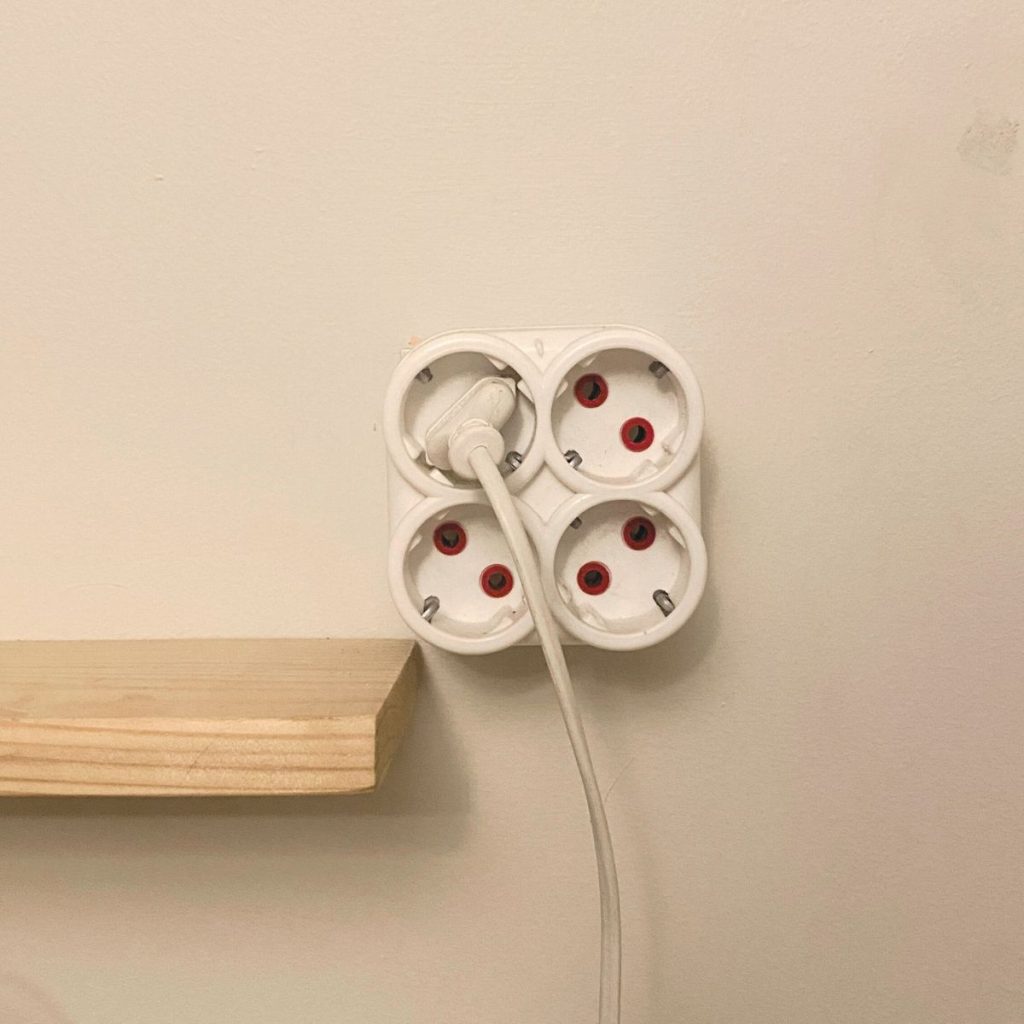
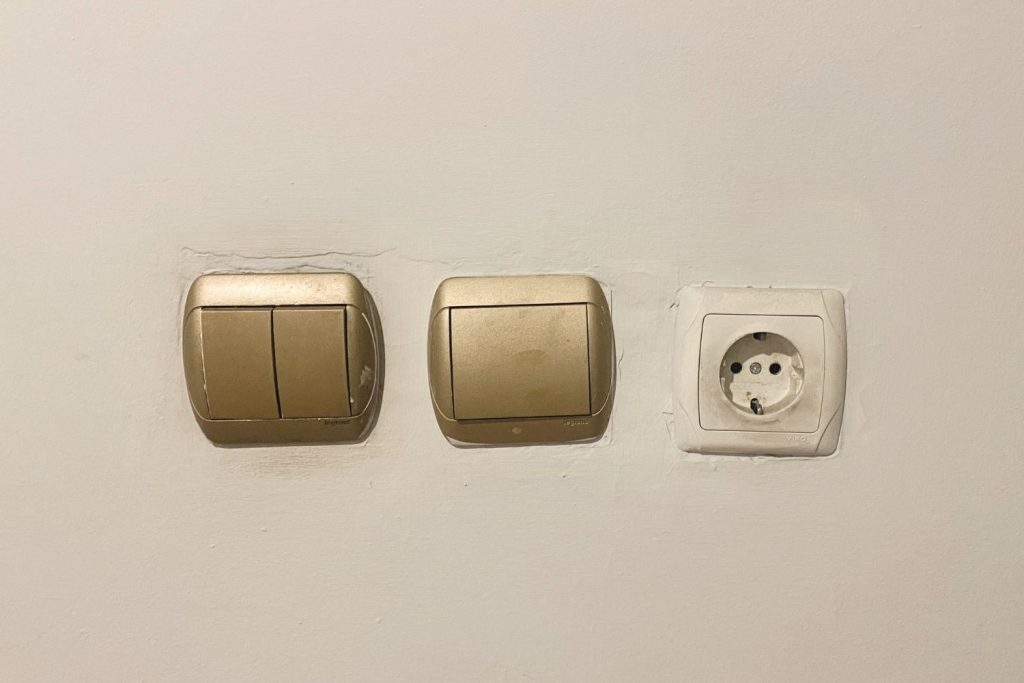
Turkey primarily uses Type F power plugs, the standard across most of continental Europe.
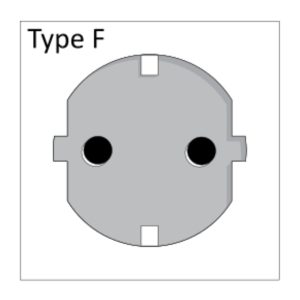
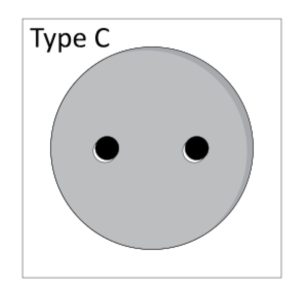
You can also see Type C. It looks the same, it just doesn’t have the grounding pin.
You’ll typically find sockets that are recessed into the wall, which means your plug will need to have plastic – not just metal – around the base of the pins.
If your country uses the same plug type and voltage range, you’re all set.
However, if your home country uses a different standard, you’ll need to be properly prepared to ensure your devices can be charged safely and efficiently.
Do You Need a Travel Adapter for Turkey?
If you are traveling to Turkey from a country that does not use Type F or Type C plugs, you will need to bring a power adapter.
The most common type of adapter needed for Turkey is the Type F, which is a two-pin plug and socket with a side grounding contact.
The plug Type C, or “Europlug”, is also commonly used in Turkey. This is a two-pin plug with round pins, used across Europe.
If your device’s plug doesn’t match the shape of these sockets, you will need a travel plug adapter in order to plug in your appliances.
Keep in mind that a power adapter does not change the voltage or electrical output of the socket; it solely enables your plug to fit into the Turkish electrical outlet.
However, do be cautious and avoid buying cheap, non-branded travel adapters.
They may not meet safety standards and could potentially harm your devices or even pose a personal safety risk.
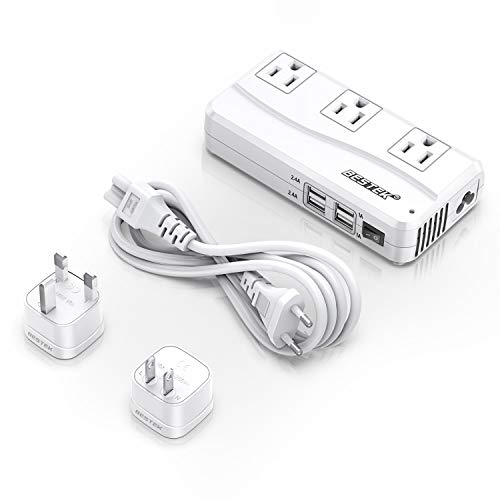
Specifically, what I love about the Epicka adapter is that it has 4 USB and 1 Type-C outlet, meaning you can charge 6 different devices at once (provided it doesn’t exceed the adapter’s wattage).
Do You Need a Voltage Converter for Turkey?
Before you plug anything in, you need to check one important thing: voltage compatibility.
Turkey operates on 230V at 50Hz (often referred to as 220V). This is standard across most of Europe, but it’s very different from countries like:
- United States (120V)
- Canada (120V)
- Some parts of Central & South America
- Japan (100V)
If you’re traveling from North America, your devices may not be designed to handle Turkey’s higher voltage.
Step 1: Check Your Device Label
Look at the small print on your charger or appliance. You’ll see something like:
Input: 100–240V, 50/60Hz
If it says 100–240V, you’re safe. You only need a plug adapter, NOT a converter.
Most modern electronics are dual voltage, including:
- Phone chargers
- Laptop chargers
- Camera chargers
- Tablets
- Power banks
When You DO Need a Converter
You’ll need a voltage converter if your device says something like:
Input: 110V only or 120V only
This usually applies to:
- Hair dryers
- Curling irons
- Straighteners
- Electric razors
- Heating pads
- Older small appliances
Plugging a 110V-only device directly into a 230V Turkish socket can:
- Permanently damage the device
- Blow the fuse
- Melt internal components
- In rare cases, cause overheating or fire
It happens instantly. There’s no warning.
Adapter vs Converter (Important Difference)
- Adapter = Changes the plug shape so it fits the wall
- Converter = Changes the electrical voltage
An adapter does NOT change voltage. Many travelers confuse the two and that’s when devices get fried.
What I Personally Recommend
If you’re coming from the US or Canada:
- Bring a quality universal adapter
- Only bring a converter if you truly need to use high-heat styling tools
Honestly? I recommend leaving high-wattage appliances at home. Most hotels in Turkey provide hair dryers, and they’re built for local voltage. It’s simpler, lighter, and safer.
How to Use Power Plugs Safely in Turkey
Using power plugs in a foreign country can be a bit daunting, but with a little preparation and mindfulness, you can safely use your appliances while in Turkey.
Here are some tips to keep in mind:
- Always check the voltage of your appliance before using it with a plug or adapter in Turkey. If your appliance is rated for 110–120V only, you will need a voltage converter.
- Pack a reliable travel adapter before your trip, especially one that complies with the Turkish standard (Type F or C).
- Remember to unplug all appliances when they are not in use. This can not only reduce the chances of overheating and potential fire hazards but also save energy.
- Check the condition of the power sockets and plugs before use. Any signs of damage, such as exposed wiring, burn marks, or cracks, should be reported immediately, and the plug should not be used.
- Do not force a plug into a socket if it doesn’t fit properly. Using force can potentially damage both the appliance and the socket and may even lead to electrical hazards.
- Beware of multiple extension cords. It is quite common practice to connect multiple extension cords, as there is usually just one outlet in a room. This is not the best safety practice, so limit them where you can.
Abiding by these tips should help ensure a smooth and safe experience with power plugs during your visit to Turkey.
Power Plugs in Turkey FAQs
What type of power plug is used in Turkey?
Turkey uses Type C and Type F power plugs. Both have two round pins, and Type F includes grounding clips on the socket. These plug types are standard across most of continental Europe.
What are the voltage and frequency in Turkey?
What type of adapter do I need in Turkey?
You need a Type C or Type F travel adapter if your home country uses a different plug shape. An adapter changes the plug shape but does not change the voltage.
What safety considerations should be taken when using power plugs in Turkey?
Always check your device’s voltage compatibility before plugging it in. Avoid overloading sockets, don’t use damaged cords, and never force a plug into a wall outlet.
Do I need a power adapter for Turkey from the US?
Yes. If you’re traveling from the United States, you will need a Type C or Type F travel adapter for Turkey. The US uses Type A and Type B plugs, which do not fit Turkish sockets. Most modern US electronics (phones, laptops, cameras) support 100–240V, so you typically only need a plug adapter. However, high-heat appliances like hair dryers or curling irons may require a converter.
Final Checklist Before You Travel to Turkey
Staying connected while traveling is essential, whether it’s charging your phone, powering your laptop, or using everyday appliances.
Before your trip, remember:
- Turkey uses Type C and Type F power plugs
- The standard voltage is 230V at 50Hz
- Most travelers will need a travel adapter
- Only bring a voltage converter if your device is 110–120V only
A little preparation goes a long way. Double-check your devices before you pack, bring the right adapter, and you’ll avoid unnecessary stress once you arrive.
With the right setup, you can focus on enjoying Turkey, not searching for a place to charge your phone.
Planning A Trip to Turkey?
- Considering living in Istanbul or Turkey? Read this!
- If you’re gonna rent a car, make sure you read more
- Check out some of the best gifts you can bring back to friends and family
- Wanna teach English abroad?
Turkey Vacation Basics
When I plan a trip these are the websites I use. I hope they help you plan your next adventure as well!
FLIGHTS: I am a huge fan of Skyscanner.
VISAS: You can use the free e-visa portal here but for a few extra dollars you can use iVisa and someone else will handle any issues that may come up.
E-SIM: When I traveled to SE Asia I discovered e-sims and I’m never going back. Airalo has been easy and cheap!
TRAVEL INSURANCE: I use TravelInsurance.com for my trips abroad.
CAR RENTAL: I have loved working with Discover Cars when I rent cars in country.
AIRPORT TRANSFERS: I have used these transfers many times and they are always great. If you’d like more options, I also recommend GetTransfers.com as they allow you to compare companies.
ACCOMMODATION: Find the best Turkey hotel deals on Booking.com.
CITY TOURS & DAY TRIPS: You can browse GetYourGuide’s website to find just the tour you’re looking for! We also recommend the MegaPass for major cities.
