
Gifts from Turkey: 21 Best Turkish Souvenirs to Buy
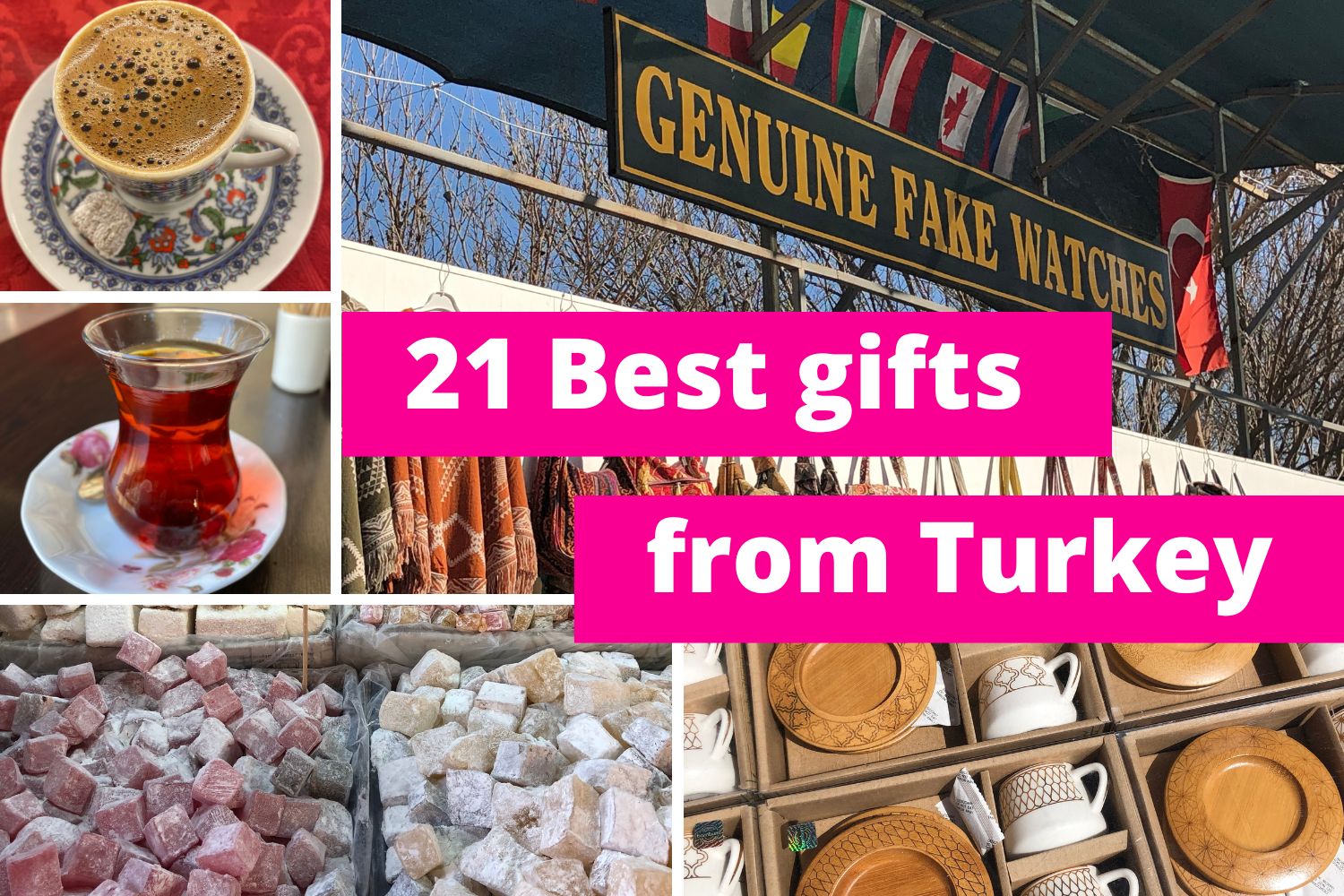
The Art of Living in Turkey contains affiliate links and is a member of the Amazon Services LLC Associates Program. If you make a purchase using one of these Amazon links, I may receive compensation at no extra cost to you. See my Disclaimers for more information.
If you’re wondering what gifts to buy in Turkey, you’re not alone. Whether you’re visiting for a week or moving here long-term, figuring out which Turkish souvenirs are worth bringing home can feel overwhelming.
After living in Turkey for nearly six years and traveling back and forth between Turkey and the U.S., I’ve packed countless suitcases full of gifts for friends and family. I’ve also hosted visitors who wanted to know exactly what to buy and what to skip.
This guide breaks down the 21 best gifts from Turkey, including:
- Where to buy them
- What to look for
- Typical price ranges
- How to avoid common tourist mistakes
- And when it makes sense to buy online instead
Prices and recommendations are updated for 2026 and are based on firsthand experience shopping in Istanbul and beyond.
Let’s dive into what to buy in Turkey and what’s actually worth the suitcase space.
21 Best Gifts from Turkey
| Gift | Best for | Easy to Pack? |
|---|---|---|
| Turkish Tea | Tea lovers | Yes |
| Turkish Coffee | Coffee lovers | Yes |
| Turkish Delight | Almost anyone | Yes |
| Turkish Chocolate | Food lovers | Yes |
| Turkish Spices | Cooks | Yes |
| Turkish Lamps | Home decor | No |
| Turkish Leather Goods | Practical gifts | Yes |
| Peshtemal / Turkish Towels | Practical gifts | Yes |
A Quick Note on Prices and Currency
Turkey’s currency can fluctuate significantly throughout the year, which means prices may change between your visit and the time you are reading this.
All pricing guidance in this article reflects typical ranges based on recent experience, but exchange rates and local inflation can impact final costs. When shopping, it is always helpful to check the current exchange rate and confirm pricing before purchasing.
Food & Drink Gifts from Turkey
Some of the most popular gifts from Turkey are edible. From tea and spices to Turkish delight, these are flavorful souvenirs that travel well.
Turkish Tea
Why It Makes a Great Gift
Turkish tea (çay) is one of the most authentic and easy gifts to bring home from Turkey. After living here for nearly six years, I can confidently say tea is woven into daily life.
It is offered to guests, served in shops, and shared at every gathering. When I travel back to the U.S., I almost always tuck a few packs into my suitcase because it’s lightweight, affordable, and instantly recognizable to anyone who has visited.
Unlike spiced chai, Turkish tea is a strong black tea traditionally brewed in a double teapot (çaydanlık) and served in tulip-shaped glasses. It’s simple, cultural, and easy to pack without worrying about breakage.
Pro tip: If you would like to blend in, avoid adding milk to your tea. Sugar is common, lemon is acceptable, but milk will likely earn you a few surprised looks.
Where to Buy in Istanbul
You can find quality Turkish tea in most grocery stores, spice shops, and markets throughout Istanbul. For a wide selection, the Spice Bazaar (Egyptian Bazaar) offers multiple brands, though prices may be slightly higher than those in local supermarkets.
For better local pricing, check neighborhood grocery stores or larger chains.
What to Look For (Avoid Common Tourist Mistakes)
- Look for well-known Turkish brands like Çaykur.
- Check the production date to ensure freshness.
- Choose sealed packages rather than open bins for a longer shelf life.
Avoid buying decorative tea packaging that looks attractive but contains low-quality tea inside. Focus on the brand and freshness rather than the box.
Prefer to Buy Online?
If you’d like to enjoy Turkish tea at home after your trip, check out this Çaykur tea from Rize.
Turkish Coffee
Why It Makes a Great Gift
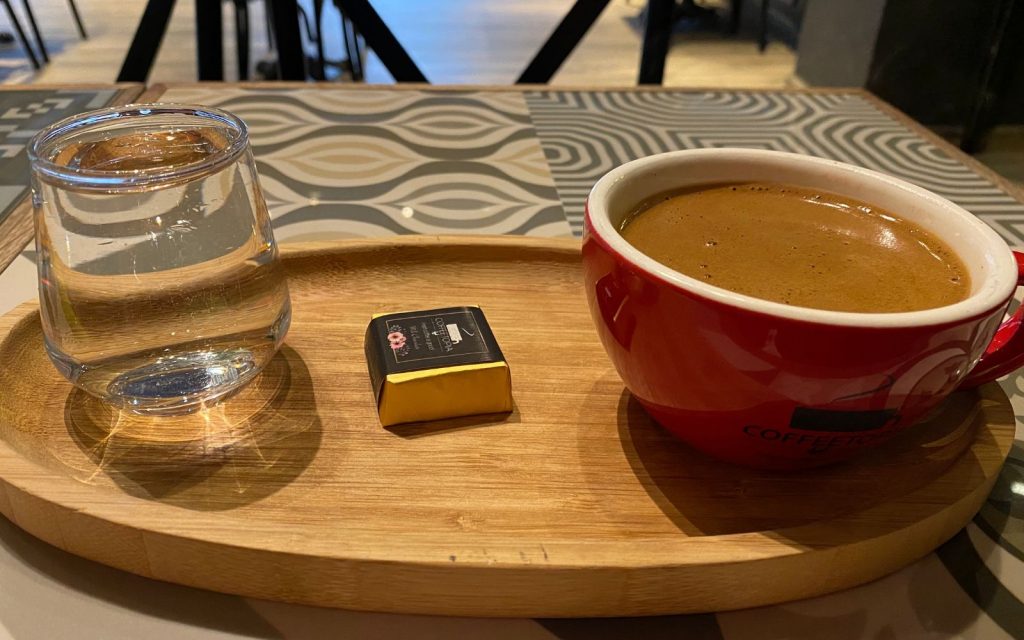
Turkish coffee is one of the most iconic gifts from Turkey and something I bring back to the U.S. regularly.
Even after nearly six years living here, I still love walking past the Mehmet Efendi shop and seeing locals lined up for freshly ground coffee. It’s a cultural staple that is served slowly, brewed in a cezve, and often accompanied by a small sweet.
Personally, I prefer Mehmet Efendi’s decaf because it’s water processed and still has the rich, traditional flavor. It’s lightweight, easy to pack, and instantly recognizable to anyone who has visited Turkey. For coffee lovers especially, it’s both practical and deeply cultural.
Turkey also has an impressive third-wave coffee scene, particularly in neighborhoods like Kadıköy, where small roasters are producing excellent quality beans if you want something more modern.
Where to Buy in Istanbul
You can purchase Turkish coffee at most grocery stores and markets throughout Istanbul. For the freshest option, visit the historic Kurukahveci Mehmet Efendi shop near the Spice Bazaar, where coffee is ground daily and often sold in small 100g packages.
If you prefer specialty coffee, Kadıköy has several reputable third-wave roasters offering freshly ground Turkish-style coffee.
What to Look For (Avoid Common Tourist Mistakes)
- Buy smaller, freshly packaged quantities (100g is ideal for freshness).
- Check that the grind is extremely fine, almost powder-like.
- If buying a cezve, make sure the inside is tin-lined.
Avoid pre-ground coffee that has been sitting in souvenir-style packaging for long periods. Freshness makes a noticeable difference in flavor.
Prefer to Buy Online?
If you didn’t have room in your suitcase or want something similar at home, here is Mehmet Efendi on Amazon.
Turkish Delight
Why It Makes a Great Gift
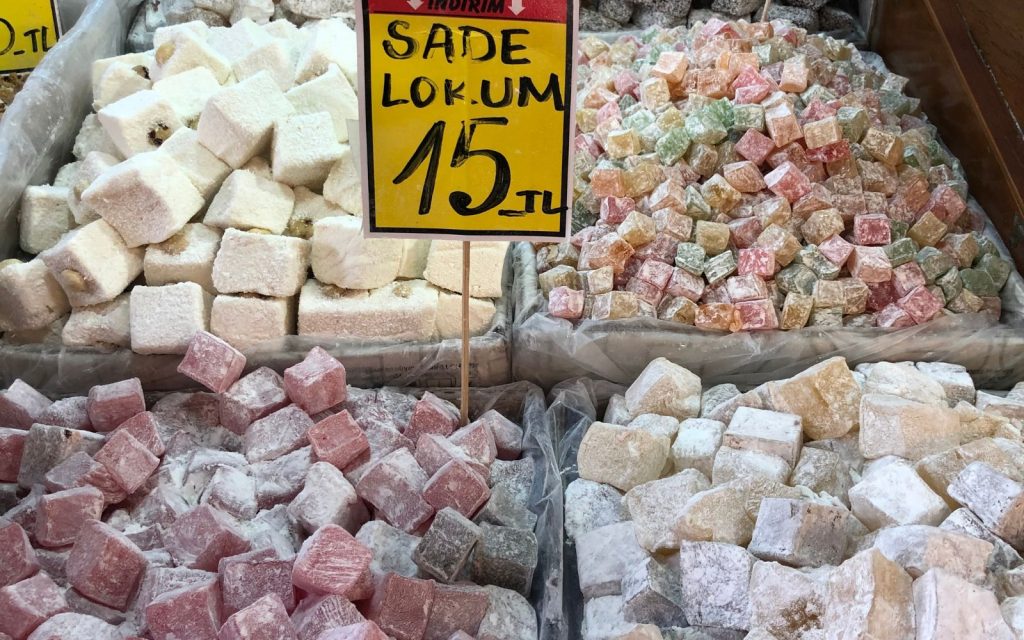
Turkish delight, or lokum, is one of the most recognizable gifts from Turkey and something many visitors want to bring home. It is colorful, easy to share, and comes in a wide variety of flavors such as rose, pistachio, pomegranate, and hazelnut.
When friends visit me, this is often the first edible souvenir they choose. I usually recommend buying it fresh rather than pre-boxed because the texture makes all the difference.
Fresh lokum should be soft, lightly coated in powdered sugar, and tender instead of stiff or overly chewy. It is also lightweight and packs well in a sealed box, which makes it practical for bringing home multiple gifts.
Where to Buy in Istanbul
For a wide selection, visit the Spice Bazaar where many shops sell Turkish delight in bulk. You can also find excellent quality at specialty confectionery shops throughout the city.
Pre-packaged boxes are available in tourist shops and airports, but they are not always the freshest option.
What to Look For (Avoid Common Tourist Mistakes)
- Ask to taste before purchasing so you can check the texture and freshness.
- Look for soft pieces that are slightly sticky but not dry or hard.
- Check the production date if buying boxed varieties.
Avoid choosing based only on decorative packaging. Attractive boxes do not always mean higher quality. Freshness matters more than presentation.
Prefer to Buy Online?
If you prefer ordering online instead of shopping in the bazaars, this is a similar option. It is made in Turkey and made with real sugar instead of high fructose syrup.
Chocolate
Why It Makes a Great Gift
Chocolate may not be the first thing people think of when choosing gifts from Turkey, but there are some excellent local brands worth bringing home. I often grab a few bars before flying back to the U.S., especially darker varieties that are harder to find elsewhere.
One brand I personally enjoy is Vince, which I have found at A101. Their darker chocolate options, especially those with orange, are rich without being overly sweet.
If you want a higher quality option, choose the bars packaged in cardboard boxes rather than paper wrappers. The ones with the blue award label are noticeably better.
Turkish grocery stores carry a wide range of local and European-style chocolates, so it is easy to pick up a few varieties to sample before choosing what to gift. Chocolate is compact and easy to tuck into a suitcase, though it is best packed in carry-on luggage during warmer months.
Where to Buy in Istanbul
You can find good-quality Turkish chocolate at most grocery stores, including chains like A101, Şok, and Migros. Larger supermarkets typically have a wider selection and better prices than tourist shops.
Airport shops also sell Turkish chocolate, but prices are usually higher.
What to Look For (Avoid Common Tourist Mistakes)
- Check the cocoa percentage if you prefer darker chocolate.
- Look at the ingredient list to avoid excessive fillers or palm oil.
- Choose bars that are well-sealed and not exposed to heat.
Avoid buying chocolate that has been stored in direct sunlight or near shop entrances, especially in summer. Heat can affect both texture and flavor.
Traditional Turkish Spices
Why It Makes a Great Gift
Spices are one of the most practical and flavorful gifts you can bring home from Turkey. They are lightweight, affordable, and deeply connected to everyday Turkish cooking. I almost always pack small quantities in my suitcase when traveling back to the U.S., especially blends and varieties that are harder to find abroad.
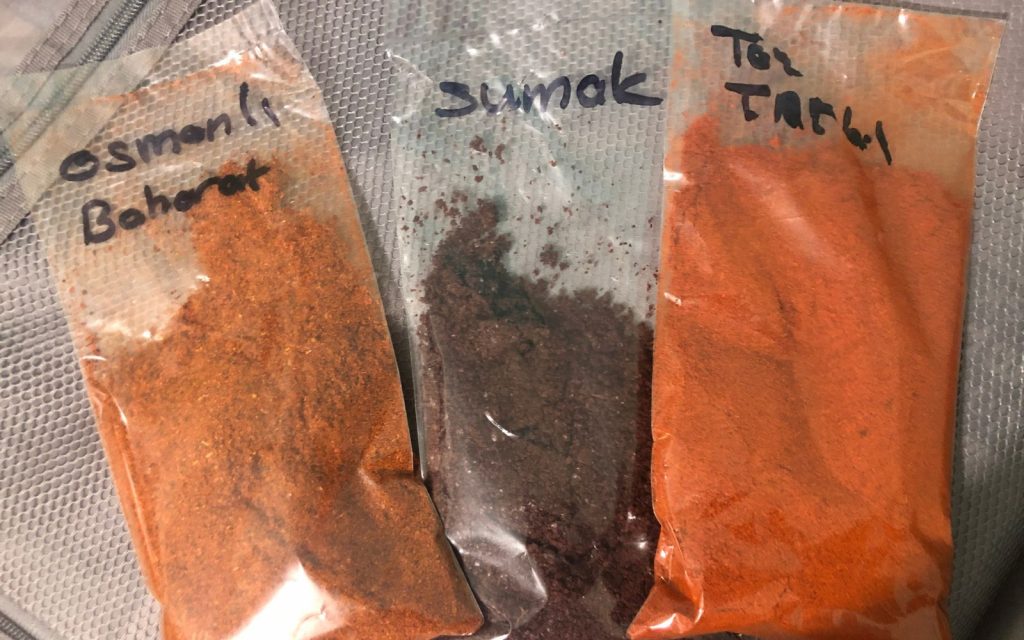
Over the years, I have learned to cook regularly with tatlı pul biber, which has a different flavor than typical paprika in the States.
I also use Ottoman spice blends on roasted vegetables, meat, and lentil soup. For anyone who enjoys cooking, Turkish spices make a thoughtful souvenir that will actually be used rather than stored away.
Where to Buy in Istanbul
The Spice Bazaar offers an impressive variety and is convenient for visitors, though prices may be slightly higher because of its location. For better local pricing and often fresher options, neighborhood spice shops and weekly markets are excellent choices.
Many local vendors will weigh and seal spices in front of you, which helps preserve freshness during travel. I highly recommend buying them in Türkiye rather than online.
What to Look For (Avoid Common Tourist Mistakes)
Freshness matters more than presentation when buying spices in Turkey. The aroma should be strong and noticeable even before you open the package.
- Choose shops that keep spices in covered containers rather than fully exposed to air.
- Ask for smaller quantities so they stay fresh longer at home.
- Have the vendor seal the spices tightly before packing them in your luggage.
Avoid purchasing large decorative gift boxes that contain many small compartments of spices. These often prioritize appearance over quality and may not be as fresh.
Want a Guided Shopping Experience?
If you would prefer a guided experience through the bazaars, this small-group tour is a good option. They will even help you barter.
Raki
Why It Makes a Great Gift
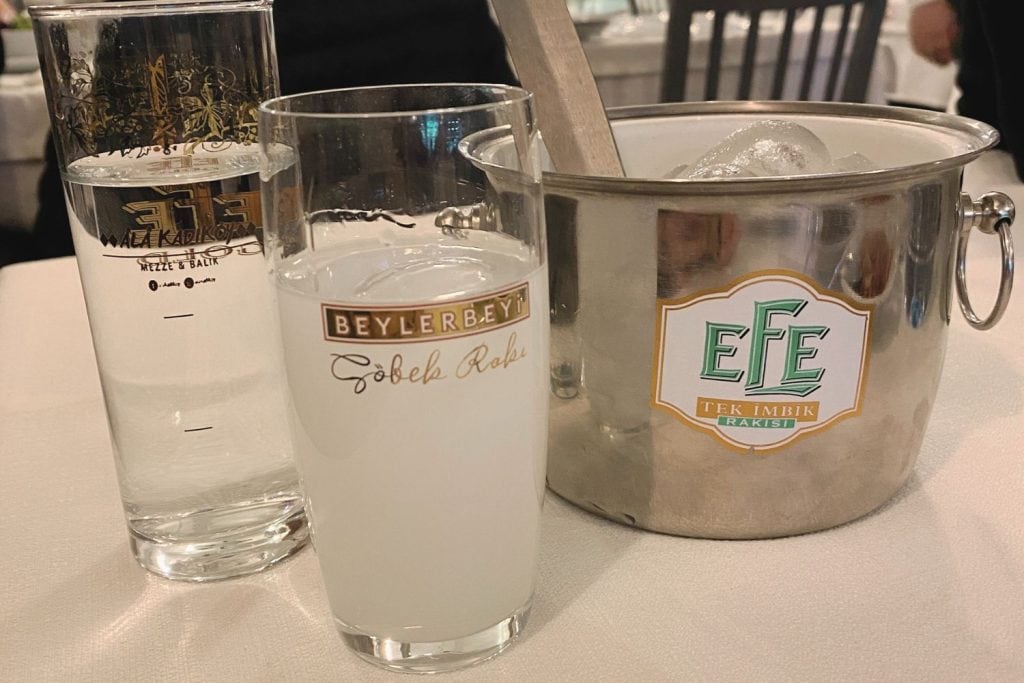
Raki is often called the unofficial national drink of Turkey and is closely tied to long evenings at a meyhane, especially alongside seafood and meze. I will be honest, I was not a fan the first time I tried it.
The strong anise flavor reminded me of black licorice, which can be surprising if you are not used to it. Over time, though, as I spent more evenings at fish restaurants with friends, I began to appreciate the slow, social rhythm that comes with drinking it.
Bringing a bottle home makes a meaningful gift for someone who enjoys trying traditional spirits. It is uniquely Turkish in culture and experience, though you will need to pack it carefully in checked luggage due to liquid restrictions.
If you drink while you’re in the country, make sure you learn about drinking in Turkey.
Where to Buy in Istanbul
Raki is sold at licensed liquor stores and larger grocery stores throughout Istanbul. You can also purchase it duty-free at the airport, which may be more convenient if you are concerned about packing space or weight.
Prices may vary slightly depending on the store and location.
What to Look For (Avoid Common Tourist Mistakes)
Raki is traditionally mixed with very cold water, which turns it a cloudy white color. It is best served chilled, but avoid adding ice directly to the glass as it can affect the flavor balance.
- If you prefer a smoother and slightly sweeter taste, look for bottles that are distilled three times.
- Choose reputable, well-known brands rather than unfamiliar labels.
- Pair it with cold water served separately instead of pre-mixing large quantities.
Take note of customs regulations for bringing alcohol back into your home country, as limits vary.
Prefer to Buy Online?
You’ll have to check your state’s options for online purchasing as each state is different. You can, however, elevate your experience with these Raki glasses. (Note: Raki glasses are just under 6 ounces.)
Read more about how Raki is traditionally served.

Pasabahce Raki Glasses
Enjoy your newly purchased raki at home in traditional Turkish raki glasses.
Traditional Turkish Home Decor & Handmade Items
If you’re looking for something more lasting, Turkey is known for its handcrafted decor and artisan goods. These pieces reflect centuries of design and craftsmanship.
Rugs
Why It Makes a Great Gift
A Turkish rug is one of the most iconic and meaningful items you can bring home from Turkey. Unlike smaller souvenirs, a handwoven rug is something that can last for decades and often becomes a centerpiece in a home.
Over the years, I have walked through countless rug shops with visiting friends, and it is always one of the most memorable shopping experiences of their trip.
While rugs require a larger investment, they carry deep cultural significance. Many are handmade using traditional techniques that have been passed down for generations.
If you have the space and budget, a Turkish rug is not just a souvenir but a long-term piece of craftsmanship. Most reputable shops will ship internationally, so you do not necessarily need to worry about fitting it into your luggage.
Where to Buy in Istanbul
You will find rug shops throughout Istanbul, especially near the Grand Bazaar and in Sultanahmet. However, having a trusted recommendation can make a significant difference in both pricing and transparency.
In Kadıköy, I recommend Adalı El Dokuma Halı. My former roommate worked in imports and exports and spoke highly of their quality and fair pricing, which gave me added confidence when visiting.
In Sultanahmet, my friend Jennifer of Jennifer’s Hamam recommends a trusted carpet shop nearby. After visiting her store for towels, you can head over to their carpet location. Be sure to mention that Jennifer’s Hamam sent you, as personal referrals are often appreciated and help establish trust from the beginning.
Take your time, visit multiple shops if possible, and compare before making a final decision.
What to Look For (Avoid Common Tourist Mistakes)
Buying a rug requires patience and careful inspection. Quality and authenticity vary widely.
- Ask whether the rug is handmade or machine-made. Handmade rugs will have slight irregularities on the back.
- Examine the back of the rug to see the knot density and consistency.
- Ask about the origin of the rug and the materials used, such as wool, silk, or a blend.
Avoid feeling pressured to purchase immediately. It is common to be offered tea and given a presentation. Enjoy the experience, but do not agree to a price until you have compared options. Make sure all shipping details are clearly written and confirmed before payment.
Typical Price Range
Prices vary significantly depending on size, material, and whether the rug is handmade. Smaller handmade rugs may start in the low thousands of lira, while large silk or antique pieces can reach much higher.
Due to currency fluctuations, prices can change frequently.
Want a Guided Shopping Experience?
If you would prefer a guided experience through the bazaars, this small-group tour is a good option. They will even help you barter.
Turkish Lamps
Why It Makes a Great Gift
Turkish lamps are one of the most visually striking souvenirs you can bring home. Their colorful mosaic glass and intricate designs instantly remind people of Istanbul’s bazaars and historic neighborhoods. Many visitors tell me this is the item they regret not buying once they return home.
What makes them special is the craftsmanship in the glasswork rather than the metal base. You can purchase full lamps, but you can also buy just the glass shade, which makes packing easier.
I have seen friends carefully wrap shades in clothing and successfully bring them home in checked luggage. They are fragile, but manageable with proper packing.
Where to Buy in Istanbul
Turkish lamps are widely available inside the Grand Bazaar and around Sultanahmet.
While the Grand Bazaar is iconic and worth visiting, prices inside tend to be higher. Just outside the bazaar, you can often find the same quality lamps for significantly lower prices, sometimes close to half the cost.
There are also excellent lamp shops in the streets surrounding Galata Tower. This area often offers beautiful designs with slightly less pressure than the busiest tourist zones.
As always, compare a few shops before purchasing. If you find a design you truly love, it is wise to buy it when you see it, since inventory can vary from store to store.
What to Look For (Avoid Common Tourist Mistakes)
The quality of the glasswork is more important than the metal stand.
- Check that the mosaic pieces are tightly set and evenly spaced.
- Look inside the shade to ensure the pieces are secured properly rather than loosely glued.
- Inspect for cracks or uneven glass edges before purchasing.
- Ask the shop to change the plug to an American plug or provide the correct adaptor before you leave. Many shops can switch it out on the spot.
Avoid rushing into a purchase without inspecting the lamp closely. Even small cracks can become larger during travel.
Ask about packaging options and request extra wrapping if you plan to pack it in luggage.
Typical Price Range
Prices depend on size and complexity. Small table lamps may start in the mid hundreds of lira, while larger floor lamps or chandeliers can cost several thousand lira. Handcrafted, more detailed pieces will be at the higher end of the range.
Prefer to Buy Online?
If packing a fragile lamp feels risky, you can find a similar mosaic-style option here.
Turkish Ceramics and Pottery
Why It Makes a Great Gift
Turkish ceramics are known for their intricate patterns, rich colors, and traditional Ottoman and Seljuk-inspired designs. They are one of the most recognizable handmade items you can bring home from Turkey.
From small bowls and plates to decorative tiles and serving dishes, there is something for every budget and suitcase size.
If you visit Cappadocia, you can tour workshops where potters throw pieces on the wheel, then move into rooms where artists hand-paint each design before the items reach the showroom.
Watching the entire process gives you a deeper appreciation for the craftsmanship and explains why some pieces cost significantly more than others. In general, the more expensive the piece, the more likely it is to be genuinely hand-painted rather than mass-produced.
Smaller bowls and plates are easy to wrap in clothing and pack in checked luggage, though they do require careful padding.
Where to Buy in Istanbul
Ceramics are widely available throughout Istanbul, especially in the Grand Bazaar and Sultanahmet. Cappadocia is particularly well known for its pottery workshops, where you can see the production process before purchasing.
Shops in heavy tourist zones may charge higher prices, so it is helpful to compare a few stores and examine the quality closely before buying.
What to Look For (Avoid Common Tourist Mistakes)
Quality varies widely between mass-produced items and hand-painted pieces.
- Look closely at the brushwork. Hand-painted designs often show slight variations rather than perfectly identical patterns.
- Turn the piece over and check for signatures or workshop marks.
- Feel the weight and thickness. Higher quality ceramics typically feel balanced and well finished.
Avoid choosing based only on bright colors or low prices. Very inexpensive pieces are often factory-made and may chip more easily.
Ask the shop to wrap your ceramics carefully and add extra padding if you plan to travel with them.
Typical Price Range
Prices depend on size, level of detail, and whether the piece is hand-painted. Small decorative bowls may start at a few hundred lira, while large, detailed, hand-painted platters can cost several thousand lira.
Prefer to Buy Online?
If you would rather avoid packing fragile items, you can find similar Turkish-style bowls that are great for Turkish appetizers or your keys!
Backgammon
Why It Makes a Great Gift
Backgammon, known as tavla in Turkey, is one of the most commonly played games in tea houses and cafés across the country. You will see men playing for hours over small glasses of tea, and it is deeply woven into daily life.
On my mom’s first visit to Turkey, she bought my dad a beautiful backgammon set for their 40th anniversary.
They used to play together in college, so it was meaningful to see my American family reconnect with a game that also has such deep cultural roots in Turkey. It became more than a souvenir. It was something they could use and enjoy together.
Backgammon sets range from simple plastic travel versions to intricate wooden boards inlaid with marble, mother-of-pearl, or detailed geometric designs. Whether you want something decorative or practical, there is a wide range of options.
Where to Buy in Istanbul
You can find backgammon sets throughout Istanbul, especially in the Grand Bazaar and tourist areas. Prices vary depending on material and craftsmanship.
For better pricing, compare shops and look slightly outside the most crowded tourist corridors. Local markets and specialty game shops may offer better value for higher-quality sets.
What to Look For (Avoid Common Tourist Mistakes)
Quality varies significantly based on materials and craftsmanship.
- Open the board and check that it lies flat without wobbling.
- Inspect hinges to ensure they are sturdy and properly aligned.
- Check the inlay work to make sure pieces are securely set and not lifting at the edges.
Avoid very lightweight boards with loose hinges if you are looking for something that will last. If purchasing a decorative marble or inlaid set, examine it carefully for cracks before packing.
Typical Price Range
Plastic travel sets are the most affordable option. Solid wood boards typically fall into a mid-range price category, while hand-inlaid marble or mother-of-pearl designs can cost significantly more depending on size and detail.
Turkish Tea Sets
Why It Makes a Great Gift
Turkish tea sets are instantly recognizable because of their tulip-shaped glasses and small saucers. Tea is served throughout the day in Turkey, whether in homes, shops, or cafés, so bringing home a tea set feels like bringing a piece of daily life with you.
When I host visitors, many of them comment on the shape of the glasses and how different they feel from mugs back home. I have carried multiple sets back to the U.S. as gifts because they are compact, stackable, and meaningful without taking up too much space.
Whether you choose a simple, clear glass set as locals use or a more decorative version with gold detailing, they make a practical and cultural souvenir.
Where to Buy in Istanbul
You can find tea sets throughout Istanbul, from neighborhood houseware stores to markets near the Grand Bazaar. Everyday versions used by locals are often available in regular home goods shops at reasonable prices.
If you are looking for something more decorative, you will find ornate sets in tourist areas and specialty kitchenware stores. As with most items, prices may be higher inside the Grand Bazaar compared to shops just outside its entrances.
What to Look For (Avoid Common Tourist Mistakes)
Not all tea sets are created equal. Some are designed for daily use, while others are primarily decorative.
- Check the thickness of the glass. Very thin glass can chip easily during travel.
- Make sure the saucers sit evenly and do not wobble.
- If choosing gold or painted detailing, confirm it is heat-resistant and not purely decorative.
Avoid buying overly fragile sets without proper packaging. Ask the shop to wrap each glass individually before placing them together in a box.
Typical Price Range
Simple, clear glass sets used by locals are typically affordable. Decorative sets with gold trim or intricate designs can cost more depending on the level of detail and brand.
Prefer to Buy Online?
If you forgot to purchase a set while in Turkey or prefer not to pack fragile glass, this is my favorite set for a traditional look.
Coffee Set
Why It Makes a Great Gift
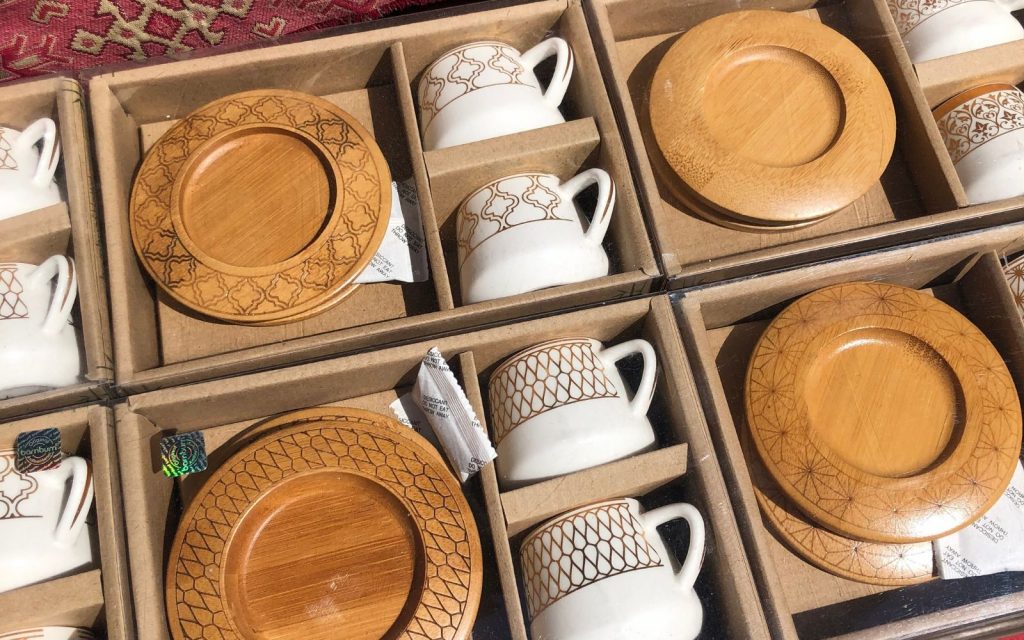
Turkish coffee sets are elegant, compact, and deeply tied to tradition. Coffee in Turkey is not just a drink but a ritual, often served slowly with a small glass of water and sometimes a sweet on the side. The cups are smaller than typical espresso cups and are designed specifically for finely ground Turkish coffee.
I have brought coffee sets back as gifts several times because they feel meaningful without being bulky. They are easy to pair with a bag of Turkish coffee, which makes the gift feel complete.
Both the simple porcelain set and the more ornate design with metal holders and intricate detailing carry a strong cultural connection.
Because the cups are small, they are fairly easy to pack, though they do require careful wrapping.
Where to Buy in Istanbul
Coffee sets are widely available in the Grand Bazaar, Sultanahmet, and local houseware stores. You can also find more modern designs in shopping malls and contemporary home goods shops.
For better pricing, compare stores and consider looking just outside the main entrances of the Grand Bazaar. Every day, porcelain sets used by locals are often available in neighborhood stores at more reasonable prices than heavily decorated tourist versions.
What to Look For (Avoid Common Tourist Mistakes)
Some sets are designed for decoration rather than daily use, so it is important to check the quality.
- Make sure the cups feel balanced and sit securely in their saucers.
- If the set includes metal holders, check that they are sturdy and not loosely attached.
- Confirm that the cups are heat-safe and not purely ornamental.
Avoid extremely thin porcelain that may chip easily during travel. Ask the shop to wrap each piece individually before boxing the set.
Typical Price Range
Simple porcelain sets are generally affordable, while hand-painted or heavily decorated sets with metal detailing will cost more depending on craftsmanship and materials.
Prefer to Buy Online?
If you would like to see my favorite Turkish coffee sets available online, I have a full guide here.
Traditional Turkish Instruments
Why It Makes a Great Gift
Traditional Turkish instruments make a meaningful and unique gift, especially for someone who loves music. Turkey has a rich musical heritage that blends Central Asian, Middle Eastern, and Anatolian influences. Bringing home an instrument is not just a souvenir but a connection to that tradition.
Some of the most recognizable instruments include the oud, the bağlama, the kemençe, and the kaval. The oud is a short-necked string instrument often compared to a lute. The bağlama is part of the long-neck lute family and is central to Turkish folk music.
The kemençe is a bowed string instrument commonly associated with the Black Sea region. The kaval is a wooden flute traditionally played by shepherds.
While larger instruments may require careful packing, smaller flutes and compact string instruments can travel more easily if properly protected.
Where to Buy in Istanbul
You can find traditional instruments in music shops throughout Istanbul, particularly in areas known for arts and culture. It is better to purchase from a dedicated music store rather than a generic souvenir shop, as quality and tuning will be more reliable.
If you are not familiar with instruments, ask the shop to demonstrate how it sounds before purchasing. This helps ensure the instrument is properly tuned and functional.
What to Look For (Avoid Common Tourist Mistakes)
Quality varies greatly depending on craftsmanship and materials.
- Check that wooden instruments are smooth and free from cracks.
- Inspect string instruments for proper alignment and secure tuning pegs.
- Ask whether the instrument is decorative or fully playable.
Avoid buying purely decorative versions if you intend for the instrument to be used. Some souvenir models are made for display rather than performance.
If traveling with a string instrument, consider purchasing a basic protective case.
Typical Price Range
Smaller instruments such as simple kavals are generally more affordable. Handcrafted string instruments like ouds and bağlamas vary widely in price depending on materials and craftsmanship.
Natural Soaps
Why It Makes a Great Gift
Natural soaps are one of the most practical and easy-to-pack gifts from Turkey. Olive oil soap has a long tradition here and is known for being gentle and moisturizing. Unlike heavily perfumed commercial soaps, wide Turkish varieties are simple, ingredient-focused, and handmade.
One of my personal favorites is Mahir’s lavender soap in Üsküdar. The scent is clean without being overpowering, and it feels genuinely nourishing on the skin.
They also produce excellent olive oil, which speaks to the quality of the ingredients they use. Soaps are lightweight, affordable, and easy to distribute as small gifts for friends or family.
Where to Buy in Istanbul
You can find natural soaps in local markets, specialty bath shops, and certain neighborhood stores. Üsküdar has some excellent smaller producers if you want something more locally made rather than mass-produced for tourists.
Tourist-heavy areas also sell soap, but quality varies, so it is worth checking ingredients and scent strength before purchasing.
What to Look For (Avoid Common Tourist Mistakes)
Not all soaps that look natural are truly handmade or high quality.
- Check the ingredient list and look for olive oil as a primary ingredient.
- Avoid soaps with overly bright artificial colors.
- Smell the soap to ensure the fragrance is not harsh or synthetic.
If the soap feels overly dry or crumbly, it may be old stock. Choose pieces that feel firm but smooth.
Typical Price Range
Simple olive oil soaps are generally affordable, while specialty handmade or scented varieties may cost slightly more depending on ingredients and packaging.
Kolonya
Why It Makes a Great Gift
Kolonya is one of the most uniquely Turkish everyday items you can bring home. Traditionally offered to guests when they enter a home, it is a lightly scented alcohol-based splash that functions as both fragrance and sanitizer. Since moving to Turkey, it has become part of daily life for me.
What I appreciate most about kolonya is that it leaves your hands feeling clean without the sticky or heavy residue that many hand sanitizers leave behind. It comes in a wide range of scents, though classic lemon is the most traditional.
My favorite brand is Eyüp Sabri Tuncer, which offers excellent quality and a variety of fragrances. Kolonya is also available in travel sizes, making it easy to pack in carry-on luggage.
Where to Buy in Istanbul
You can find kolonya in grocery stores, pharmacies, specialty bath shops, and markets throughout Istanbul. Larger supermarkets typically carry multiple brands, including Eyüp Sabri Tuncer and Duru.
Tourist shops often stock decorative bottles, but everyday versions found in local stores are usually better value and equally high quality.
What to Look For (Avoid Common Tourist Mistakes)
While kolonya is widely available, quality can vary slightly by brand and alcohol content.
- Look for reputable brands such as Eyüp Sabri Tuncer or Duru.
- Check the alcohol percentage to ensure it is effective as a sanitizer.
- Choose sealed bottles to avoid leakage during travel.
Avoid purchasing bottles that are not tightly sealed if you plan to pack them in luggage.
Prefer to Buy Online?
If you would like to order kolonya after returning home, you can find options from brands like Eyüp Sabri Tuncer and Duru here.
Gold Jewelry
Why It Makes a Great Gift
Gold plays a significant role in Turkish culture and is far more than just decorative jewelry. At traditional weddings, guests present gold coins or bracelets to the bride, and the amount is often announced publicly. Gold is also commonly viewed as a form of savings and long-term investment.
One of the first things many visitors notice is the rich yellow tone of Turkish gold. It often appears more saturated than what people are used to seeing in the United States or Canada. Whether you choose a simple bracelet, delicate earrings, or a traditional gold coin necklace, it is both a meaningful and culturally rooted gift.
Because gold retains intrinsic value, it is one of the few souvenirs that can function as both a keepsake and an investment.
Where to Buy in Istanbul
You will find gold shops throughout Istanbul, especially inside and around the Grand Bazaar. The Grand Bazaar has an entire section dedicated to jewelers, but prices may start higher due to location.
You can also find reputable gold shops in neighborhoods outside major tourist zones. Purchasing from a well-established shop with visible certifications and clear pricing displays adds an extra layer of confidence.
Take your time and compare a few stores before making a purchase.
What to Look For (Avoid Common Tourist Mistakes)
When buying gold in Turkey, clarity about carat and weight is essential.
- Ask whether the piece is 14k, 18k, 22k, or 24k gold. Higher carat gold will have a richer color but is also softer.
- Confirm the weight in grams and understand how pricing is calculated based on daily gold rates plus craftsmanship.
- Look for a stamp indicating purity.
Avoid buying gold without receiving a detailed receipt that includes weight, carat, and total price. If the pricing feels unclear or rushed, take time to ask questions before committing.
Typical Price Range
Gold pricing fluctuates daily based on global markets. In Turkey, the cost will depend on current gold rates, the number of grams, the carat level, and craftsmanship. Expect to pay the market value of gold plus a workmanship fee.
Clothing & Textiles to Buy in Turkey
Turkey has a long history of textile production, and fabrics are one of the country’s strongest exports. These items are practical, beautiful, and easy to gift.
Pashmina Scarves
Why It Makes a Great Gift
Pashmina scarves are a beautiful and practical gift from Turkey, especially for visitors from cooler climates. Turkey has a long history of textile production, and scarves are widely available in a range of colors, patterns, and materials.
I have brought scarves back for friends several times because they are lightweight, easy to pack, and universally wearable. They can be dressed up or worn casually, which makes them a safe but thoughtful gift.
While not all pashmina sold in Turkey is true cashmere, you can still find high-quality options at much better prices than in the United States or Canada.
Because they fold down easily, they take up very little suitcase space while still feeling substantial.
Where to Buy in Istanbul
Scarves are sold throughout Istanbul, from market stalls and the Grand Bazaar to boutiques and shopping malls. Tourist areas offer a wide selection, but quality varies significantly.
For better quality control, check boutiques or established textile shops rather than random street stands. Comparing textures and materials between shops can quickly help you spot differences.
What to Look For (Avoid Common Tourist Mistakes)
Not all scarves labeled as pashmina are 100 percent cashmere. Many are blends.
- Check the label carefully for material composition.
- Feel the fabric. Genuine cashmere is soft but not slippery or overly shiny.
- Look for even stitching and clean edges.
Avoid assuming a higher price automatically means higher quality. Ask direct questions about material content before purchasing.
Typical Price Range
Blended scarves are generally affordable, while scarves labeled as 100 percent cashmere or higher quality wool blends will cost more depending on the material and craftsmanship.
Peshtemal (Turkish Towels)
Why It Makes a Great Gift
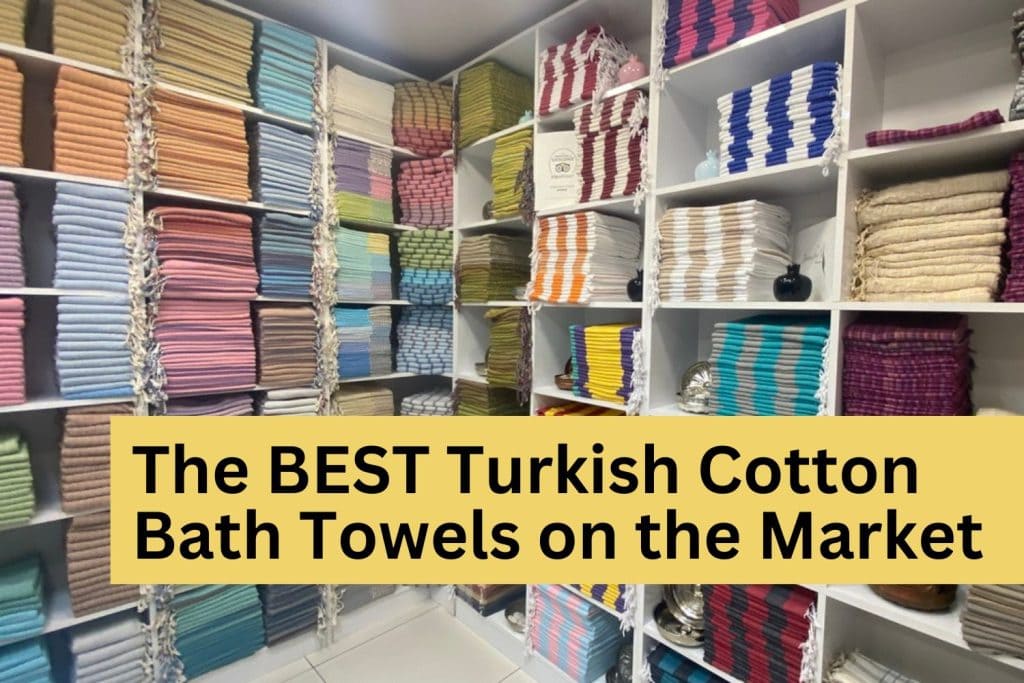
Peshtemals, also known as Turkish towels, are one of the most practical and long-lasting gifts you can bring home from Turkey. Traditionally used in hammams, these lightweight woven towels are highly absorbent, quick drying, and become softer over time.
I have written an entire article about Turkish organic cotton because quality matters significantly with this product. A well-made peshtemal can last for years, while lower-quality versions lose shape and absorbency quickly.
When guests visit me, this is often the item they end up using daily, long after their trip ends. It folds down small, travels easily, and works at the beach, pool, or even as a throw.
Where to Buy in Istanbul
For peshtemals, towels, and sheets, I only recommend Jennifer’s Hamam in the Arasta Bazaar. Jennifer has spent years preserving traditional hand-weaving techniques and works directly with Turkish artisans who produce organic cotton textiles.
The difference in quality is noticeable immediately in the weave, weight, and durability. If you visit in person and use the coupon linked in my Turkish cotton article, you can receive a complimentary soap or face cloth with a qualifying purchase.
You can read more about Turkish cotton and why quality matters in my full guide here, and get a free face cloth with this coupon.
What to Look For (Avoid Common Tourist Mistakes)
Not all Turkish towels are created equal. Many inexpensive versions are factory-made and labeled as Turkish style rather than traditionally woven.
- Look for tightly woven edges with clean finishing.
- Check that the cotton feels substantial but still soft.
- Ask whether the towel is made from Turkish cotton and where it was produced.
Avoid ultra-thin towels that feel flimsy or overly synthetic. Higher quality peshtemals improve with washing and become more absorbent over time.
Typical Price Range
Prices vary depending on weave, size, and whether the towel is hand-woven organic cotton. Higher quality pieces will cost more upfront but are designed to last significantly longer.
Leather Goods
Why It Makes a Great Gift
Turkey is well known for its leather craftsmanship, and leather goods are one of my favorite things to bring back to America. I have personally carried home leather bags more than once because the quality and price point are often better than what I would find in the States.
From jackets and handbags to wallets and belts, there is a wide range of styles available. Because Turkey has a strong history of leather production, you can find soft, well-constructed pieces that feel durable without being stiff.
A quality leather bag or jacket is both practical and long-lasting, making it a meaningful souvenir rather than something decorative.
Where to Buy in Istanbul
Leather shops are common in the Grand Bazaar, Sultanahmet, and many tourist-heavy areas. You will also find dedicated leather stores in shopping districts and malls.
Prices in tourist zones can start higher, so it is worth comparing a few shops before committing. Some stores also offer custom sizing or minor alterations if you allow extra time before departure.
This is an item I recommend purchasing while you are in Turkey, as import fees can significantly increase the price abroad.
What to Look For (Avoid Common Tourist Mistakes)
Not all leather products are genuine, so it is important to check carefully.
- Ask whether the item is hakiki leather, which means genuine leather.
- Feel the material. Real leather is soft, flexible, and has a natural texture rather than a plastic feel.
- Check stitching for even, tight seams without loose threads.
Avoid purchasing items that are labeled as leather but feel overly glossy or stiff. Synthetic materials are common in tourist markets. If you are unsure, ask direct questions about the source and type of leather.
Typical Price Range
Prices vary depending on the type of item and quality. Small accessories such as wallets are typically more affordable, while jackets and larger handbags fall into a higher price category depending on craftsmanship and material.
Unique & Fun Souvenirs
Looking for something a little different? These souvenirs are memorable, conversation-starting, and uniquely Turkish.
Designer-Inspired Items and Knockoffs
Why It Makes a Great Gift
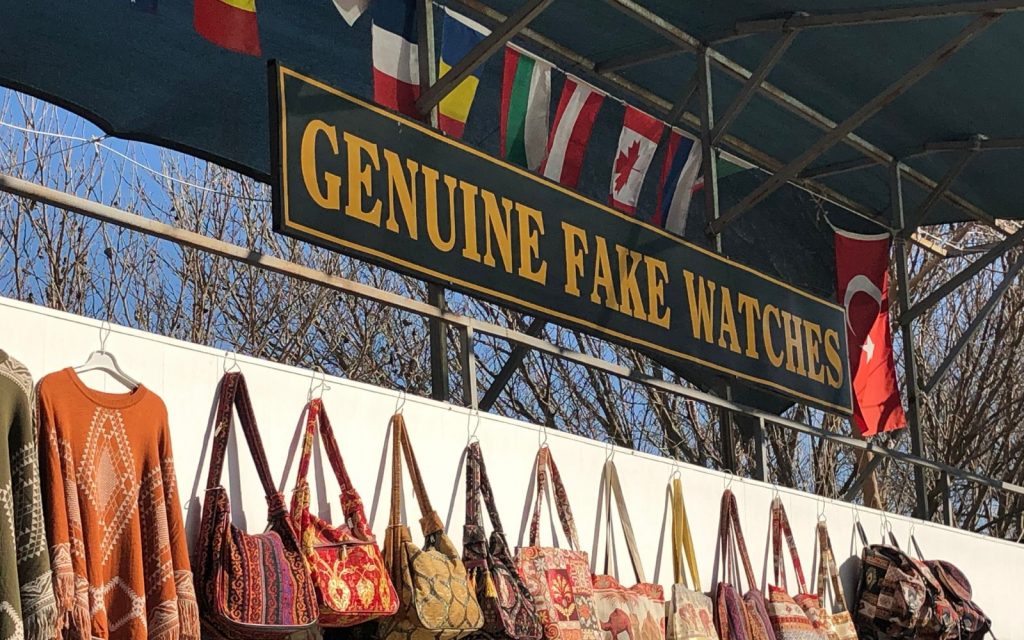
You will quickly notice that Turkey has a wide range of designer-inspired products for sale, especially in tourist areas. From handbags and watches to sneakers and sunglasses, many markets carry items modeled after well-known global brands.
For some visitors, these items can be fun novelty purchases, especially for younger family members who enjoy fashion trends but are not concerned about owning the original designer version. They are often affordable and easy to pack, making them a lighthearted souvenir rather than a serious investment piece.
It is important to understand that these products are not authentic designer goods. They are inspired copies and should be viewed as such.
Where to Buy in Istanbul
Designer-inspired items are widely available in tourist districts, markets, and certain shopping streets. Kadıköy on the Asian side and areas near major attractions on the European side often have multiple shops offering these products.
In smaller cities, they are typically found in tourist-focused stores.
What to Look For (Avoid Common Tourist Mistakes)
Quality varies significantly from shop to shop.
- Inspect stitching and hardware carefully.
- Check zippers, clasps, and seams for durability.
- Compare similar items across multiple stores before purchasing.
Be aware of customs regulations in your home country regarding counterfeit goods. While small personal items are commonly carried without issue, regulations can vary.
Avoid paying prices that approach authentic designer levels. These items should be priced as novelty fashion pieces, not luxury goods.
Typical Price Range
Prices depend on the item and quality, but they are generally positioned well below authentic designer products. Negotiation is common in many markets.
Nargile (Hookah)
Why It Makes a Great Gift
Nargile, commonly known as hookah in the United States, is a traditional water pipe used throughout Turkey and the broader region. While it is not unique to Turkey alone, the café culture surrounding nargile is an important part of social life. You will often see groups of friends sitting for hours, sharing conversation, tea, and a pipe in outdoor cafés.
I had never smoked nargile until I moved to Turkey. Over time, evenings of nargile and çay with friends became one of those slow, relaxed traditions that feel distinctly Turkish.
For someone who enjoys hookah at home, bringing back a Turkish nargile can feel like carrying a piece of that atmosphere with them. Decorative glass bases, detailed metal stems, and colorful hoses make them visually distinctive. Smaller models are easier to travel with, though they are still fragile and require careful packing.
With the recent influx of Russians into Turkey, many shops now carry a wider variety of Russian nargile tobacco flavors. These are often noticeably stronger than traditional options, so it is wise to ask about strength before purchasing.
Because it is glass, either carry it in your carry-on or package it very well to ensure it makes it home.
Where to Buy in Istanbul
Nargile shops are common in tourist areas, especially near the Grand Bazaar and in neighborhoods known for café culture. You will find a range of sizes and designs, from simple functional models to ornate decorative versions.
Prices vary depending on materials and craftsmanship. Comparing a few shops before purchasing can help you gauge quality and value.
What to Look For (Avoid Common Tourist Mistakes)
Quality and functionality are both important when buying a nargile.
- Check that all pieces fit together securely and seal tightly.
- Inspect the glass base for cracks or weak spots.
- Confirm that replacement parts such as hoses and seals are easy to find.
If you plan to purchase flavored tobacco, review customs regulations for bringing tobacco products into your home country. Rules vary, and limits are often strict.
Ask the shop to disassemble and wrap the nargile carefully before packing.
Typical Price Range
Smaller, basic models are generally more affordable. Larger decorative pieces with detailed metalwork and thicker glass bases will cost more depending on craftsmanship and size.
Shopping Tips for Turkish Gifts
Shopping in Turkey can be a fun and memorable part of your trip, especially in places like the Grand Bazaar. Haggling is common in many markets, and initial prices are often set higher with negotiation in mind.
Keep these tips in mind while shopping:
- Understand the market. Have a general idea of what an item should cost and decide your budget before starting negotiations.
- Negotiate respectfully. While bargaining is expected, avoid pushing prices unrealistically low.
- Stay neutral in your reactions. If a seller senses a strong attachment to an item, it may affect the price.
- Be prepared to walk away. This is often part of the negotiation process.
- If buying multiple items, ask for a combined or bulk discount.
- Confirm whether the quoted price is for cash. Credit card payments may include additional fees.
- Avoid purchasing everything at the start of your trip. Many items are available in multiple cities, and carrying purchases around can be inconvenient.
- Save your receipts if you plan to apply for a VAT refund at the airport. Make sure you understand the paperwork before signing.
- For higher-value purchases such as rugs or gold, request written documentation that clearly outlines the details of your purchase.
This keeps the experience enjoyable while helping you shop confidently and responsibly.
What to Buy in Turkey: Final Tips Before You Shop
I hope this guide helps you feel confident about what to buy in Turkey and what is truly worth the suitcase space.
If you are planning your packing strategy, consider leaving a little extra room for the items you discover here. Many Turkish souvenirs are lightweight but fragile, so planning ahead makes the return trip much easier.
If you need help preparing, you can read my guide to Packing Travel Hacks and Tips for International Travel for practical ideas before you fly.
Which Turkish souvenir are you most excited to bring home? If I missed one of your favorites, feel free to share it in the comments.
Planning a Trip to Turkey?
- Check out one of my favorite all-inclusive resorts in Antalya
- Soups in Turkey for the win
- Shop smarter at local grocery stores as well
- Ancient Constantinople was surrounded by these walls…
Turkey Vacation Basics
When I plan a trip these are the websites I use. I hope they help you plan your next adventure as well!
FLIGHTS: I am a huge fan of Skyscanner.
VISAS: You can use the free e-visa portal here but for a few extra dollars you can use iVisa and someone else will handle any issues that may come up.
E-SIM: When I traveled to SE Asia I discovered e-sims and I’m never going back. Airalo has been easy and cheap!
TRAVEL INSURANCE: I use TravelInsurance.com for my trips abroad.
CAR RENTAL: I have loved working with Discover Cars when I rent cars in country.
AIRPORT TRANSFERS: I have used these transfers many times and they are always great. If you’d like more options, I also recommend GetTransfers.com as they allow you to compare companies.
ACCOMMODATION: Find the best Turkey hotel deals on Booking.com.
CITY TOURS & DAY TRIPS: You can browse GetYourGuide’s website to find just the tour you’re looking for! We also recommend the MegaPass for major cities.