
17 Tips for Long Flights That Actually Make a Difference
The Art of Living in Turkey contains affiliate links and is a member of the Amazon Services LLC Associates Program. If you make a purchase using one of these Amazon links, I may receive compensation at no extra cost to you. See my Disclaimers for more information.
This is not intended to provide medical advice just an understanding of American equivalents and how to find what you are looking for. For more information on our disclosures, please see the Disclaimers page.
After flying to more than 25 countries, I have learned that long flights can either feel surprisingly manageable or completely miserable, depending on how prepared you are.
Some of the biggest lessons came from making mistakes myself.
I have rushed through massive airports completely stressed out, underestimated how dehydrating flights can be, and spent far too many hours trapped in uncomfortable seats, wondering why my legs hurt so badly.
At the same time, I have also discovered a few simple habits that genuinely make international travel easier.
Things like drinking far more water than you think you need, packing smarter snacks, moving around during the flight, and creating a better sleep setup can completely change how you feel when you land.
One thing that shocked me most was how much hydration affected my jet lag. On one recent long-haul flight, I intentionally drank far more water than usual and felt noticeably better when I arrived.
Whether you are preparing for your first international trip or already travel often, these tips for long flights have made the biggest difference for me over the years.
Before You Leave for the Airport
A smoother long-haul flight usually starts long before you ever board the plane.
Over the years, I have learned that small things like arriving early, packing thoughtfully, and preparing for delays can make a huge difference in how stressful travel feels overall.
These are the habits that have helped me avoid unnecessary chaos before international flights even begin.
1. Get There Early
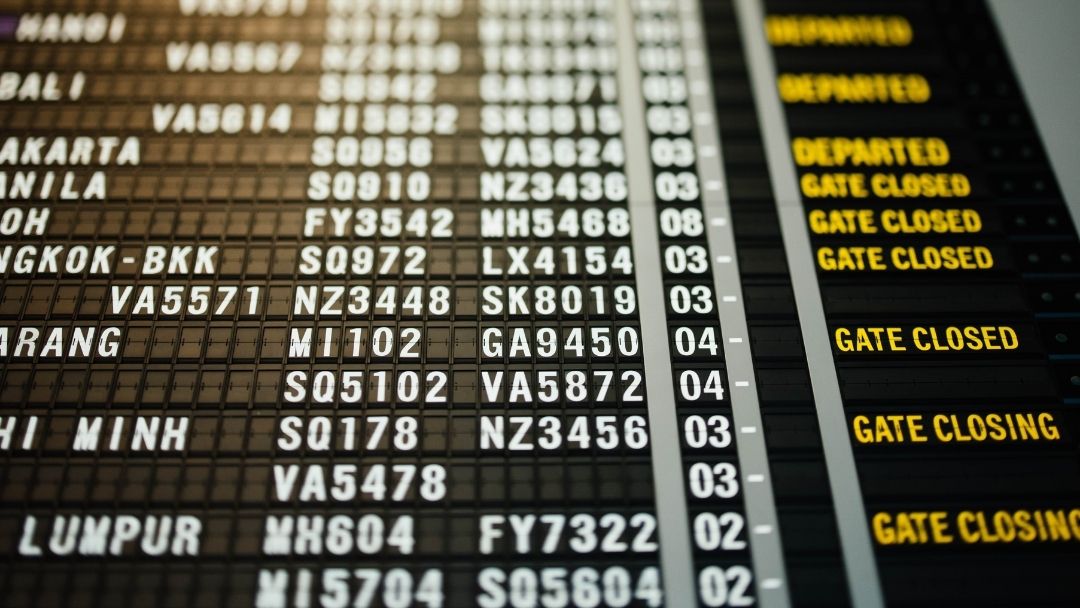
I know arriving at the airport three hours early can feel excessive, but international airports can become chaotic very quickly.
One of the most stressful travel experiences I have had was nearly missing a connecting flight in Frankfurt because I underestimated how long it would take to get between terminals.
Since then, I would much rather have extra time than sprint through an unfamiliar airport completely stressed out.
2. Check for a Lounge
Airport lounges can make long layovers dramatically more comfortable, especially on international trips.
After enough exhausting layovers sitting on airport floors, I finally understood why frequent travelers love lounges so much.
Having access to quieter seating, decent food, drinks, WiFi, and charging stations can make a huge difference during long travel days.
Lounges are not cheap, but if you are already planning to eat and drink at the airport anyway, they can absolutely be worth it, especially with Priority Pass.
3. Boost Your Immune System
Long flights can be surprisingly hard on your body, especially when you are tired, dehydrated, and surrounded by hundreds of other travelers in a confined space.
Before long-haul trips, I try to focus on eating well, sleeping enough, staying hydrated, and getting plenty of Vitamin C rather than waiting until I already feel run down halfway through the trip.
Give yourself a boost of immunity. I am a huge fan of doing it naturally.
- Vitamin C – kiwi, kale, parsley, broccoli, and lemons are great resources for Vitamin C.
- Vitamin D – eating eggs, especially the yolks, as well as fish like salmon, sardines, and canned tuna, has high levels of Vitamin D.
- Zinc – legumes, seeds, nuts, dark chocolate, and eggs are all naturally higher in zinc than other foods.
4. Pack a Well-Organized Carry-On
A well-packed carry-on can completely save you if your checked luggage gets delayed or your travel day suddenly goes sideways.
I always make sure mine has the essentials I would genuinely need for at least a day or two, including medications, chargers, headphones, toiletries, and a change of clothes.
After enough travel delays, I have learned not to assume my luggage will always arrive exactly when I do.
5. Make Your Luggage Easy to Recognize
After a long international flight, every black suitcase on the baggage carousel somehow starts looking identical.
I learned pretty quickly that adding something unique like a ribbon, luggage strap, or bright tag makes finding your suitcase much less stressful, especially when you are exhausted and jet-lagged.
I also always take a quick photo of my luggage before checking it. If your bag gets delayed or lost, having a recent photo makes it much easier to describe the suitcase and file a report quickly.
6. Bring Some USD or Euros
I usually prefer using local ATMs while traveling rather than carrying large amounts of cash, but I still think it is smart to keep a small amount of USD or euros with you during international trips.
If something goes wrong with your cards, your bank flags a transaction, or you arrive somewhere late at night, having backup cash can make travel problems much easier to handle.
Tips for Staying Comfortable During Long Flights
Long-haul flights are never going to feel luxurious in economy class, but a few small habits can make a surprisingly big difference in how you feel physically by the time you land.
These are the things that have helped me feel less exhausted, swollen, dehydrated, and miserable during long travel days.
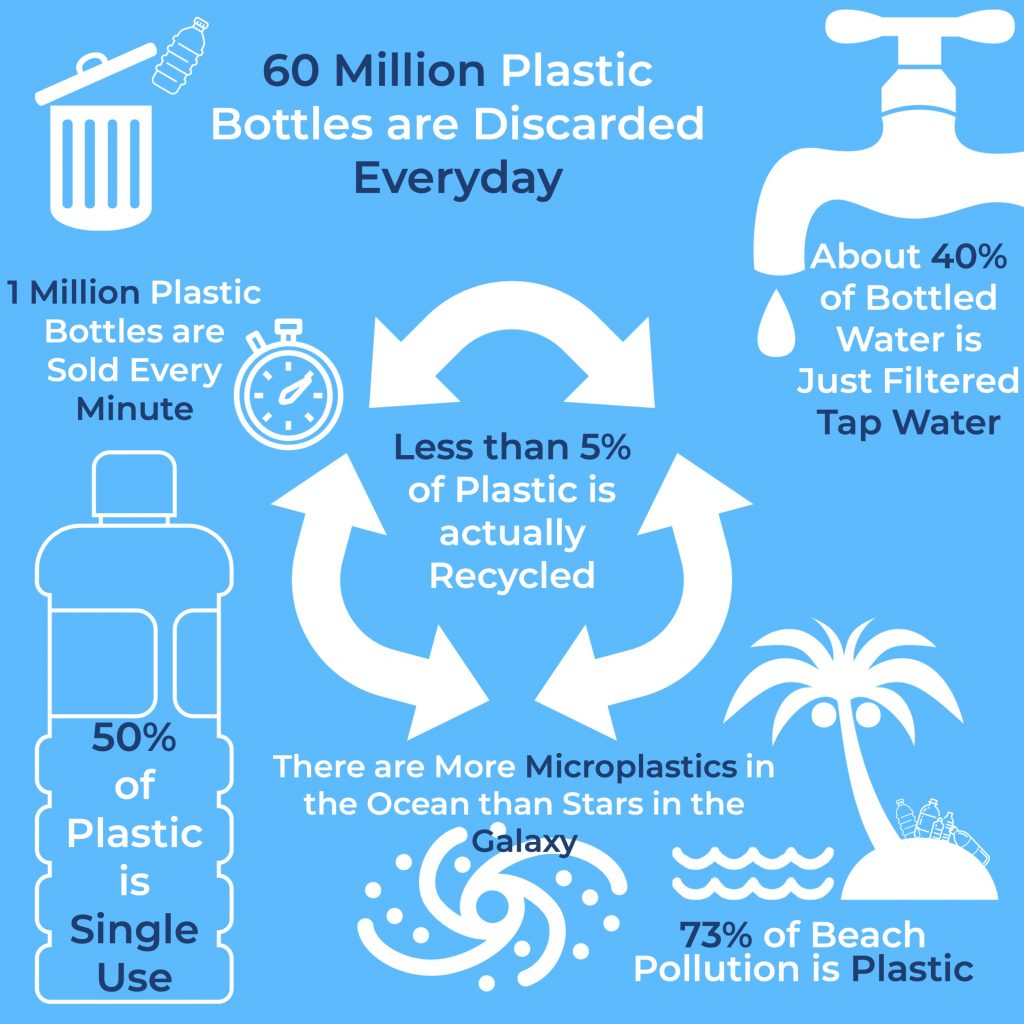
7. Hydrate More Than You Think You Need To
One thing that completely changed my experience on long flights was realizing just how dehydrating air travel actually is.
On one recent international flight, I intentionally drank 3 L on my 10-hour flight, and my jet lag was dramatically better when I landed. I still felt tired, of course, but nowhere near as exhausted and foggy as usual.
Plane cabins are incredibly dry, and long flights can leave you feeling sluggish, swollen, and dehydrated without even noticing it.
I now try to drink water consistently throughout the flight, especially if I am drinking coffee or alcohol. Bringing a reusable water bottle also makes this much easier since flight attendants will usually refill it for you.
If you’re looking for a filtered water bottle, I prefer Epic Water filters for a host of reasons.
8. Wear Compression Socks
I ignored compression socks for years until I got stuck in a window seat between two very large men on a long flight to Turkey and only moved 2 or 3 times on a 14-hour flight.
By the time we landed, my legs felt awful and swollen.
Since then, compression socks have become one of my must-pack items for long flights because they help reduce swelling and improve circulation, especially on overnight flights.

This unisex compression sock has a variety of sizes and prints and comes in a pack of 4.
If you’re new to the concept of compression socks, you read more about them in this comprehensive article from Healthline.com.
9. Get Up and Move Around
Even just standing up and walking around the cabin occasionally can make a huge difference during long flights, trust me.
When I am stuck in a window seat for hours, I notice my legs and lower back feel significantly worse by the end of the flight if I barely move.
I now try to get up every few hours, stretch a bit, and move around whenever possible, even if it is just a short walk to the bathroom and back.
This is a great video put together by Physitrack, The University of Melbourne, and Sports Medicine Australia. Do these exercises as often as you can for a much better flight.

10. Bring a Few Good Snacks
Most international flights include meals, but depending on delays and timing, there can still be long stretches without food.
I always bring a few snacks with me because airport food is expensive and airplane meals are unpredictable. Trail mix, dark chocolate, nuts, crackers, and fruit are usually my go-to options.
Just try not to bring anything overly strong-smelling nor peanuts since everyone around you is trapped in the same space for hours and some people are highly allergic to peanuts.
11. Dress Nice but Comfortably
You definitely do not need to wear formal clothes on a long-haul flight, but I also would not recommend dressing like you are heading to bed.
Flights get delayed, plans change, and sometimes you unexpectedly end up spending extra time wandering around a city or airport during a layover.
I usually aim for clothes that are comfortable enough for sleeping but still nice enough that I would not feel awkward grabbing dinner or exploring a city for a few hours if needed.
12. Clean Your Seating Area
Airplanes are cleaner than they used to be, but I still wipe down my seating area when I board.
Tray tables, armrests, screens, seatbelt buckles, and buttons are touched constantly throughout the day by hundreds of people.
It only takes a minute, and honestly, it just makes the space feel a little less gross during a very long flight.

13. Bring an Eye Mask and Earplugs
There is almost always someone watching movies, talking, snoring, or turning lights on during overnight flights.
A good eye mask and earplugs can make a huge difference if you are trying to sleep, especially in economy.
I personally prefer contoured 3D eye masks because they do not press directly against my eyes, and silicone earplugs work much better for me than the standard ones, plus they are much less likely to leave me with racoon eyes.
14. Consider a Sleep Aid if Needed
I have never been someone who sleeps particularly well on planes, no matter how exhausted I am.
Before my first major international trip to Uganda, a friend suggested talking to my doctor about a sleep aid for the flight. While it did not magically turn me into someone who can sleep comfortably upright in economy class, I know many travelers swear by them for overnight flights.
These days, I usually stick with melatonin more for adjusting to the new time zone after I land rather than for sleeping on the plane itself.
I have learned the hard way that taking too much can leave me feeling groggy afterward, so starting with a lower dose is usually the better option.
Entertainment and Productivity Tips
Long flights can start feeling endless surprisingly fast, especially if you cannot sleep on planes like me. I have found that mixing entertainment with something a little more intentional helps the hours pass much faster without feeling completely drained afterward.
15. Download Entertainment Ahead of Time
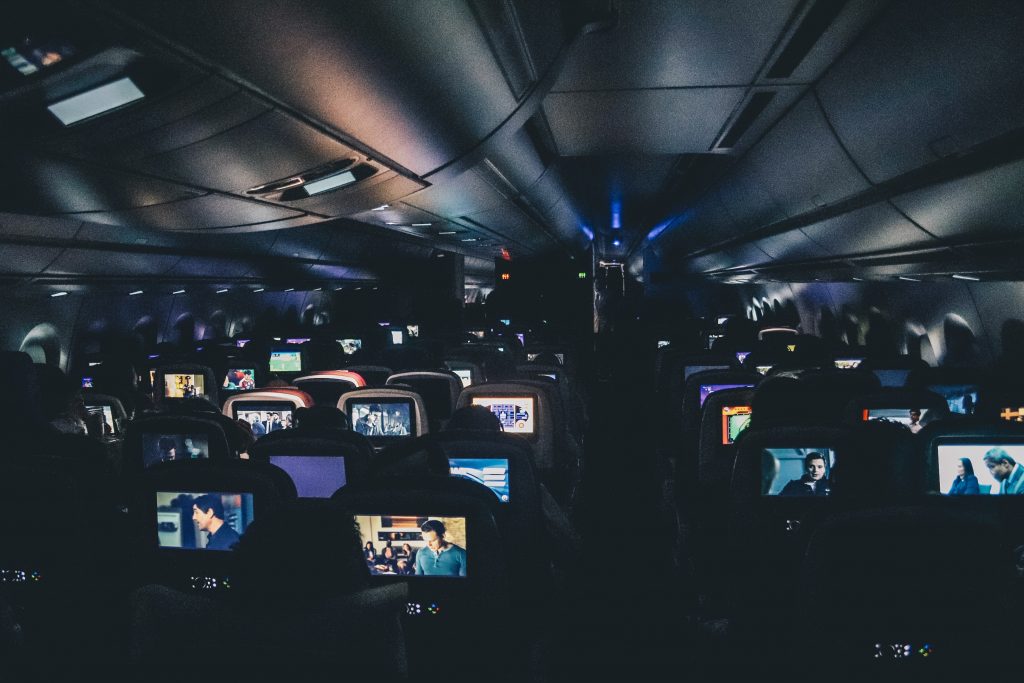
Even though most international flights now offer in-flight entertainment, I download a few things ahead of time that I wouldn’t normally just sit and watch. I especially like Korean dramas with subtitles before flights, which has become a bit of a guilty pleasure travel tradition for me.
You could even download a Turkish series on Netflix to get an understanding of culture before you land.
Sometimes the screens do not work properly, the movie selection is disappointing, or I simply want something familiar to watch during a very long travel day.
Watching shows on your phone for hours can get uncomfortable surprisingly quickly, so having a simple way to prop your device up helps a lot.
I also try to bring a few non-screen activity because staring at movies for 12 hours straight can start making me feel a little delirious.
16. Use the Time Intentionally
As much as I love a good movie marathon, I have noticed I feel much better after long flights when I use at least some of the time intentionally.
Planes are one of the few places where there are very limited distractions and nowhere else you need to be for several hours.
Sometimes I journal, read, plan upcoming trips, organize photos, or work on writing projects. Other times I simply let myself rest without feeling guilty for once.
Even doing one productive or meaningful thing during a long flight tends to make the entire travel day feel less exhausting mentally.
FAQs About Long Flights
How do you survive a long international flight?
The biggest things that help me are staying hydrated, getting up to move around regularly, bringing snacks, and having a better sleep setup with earplugs and an eye mask.
What should you bring on a long flight?
I always bring a reusable water bottle, snacks, chargers, headphones, medications, an eye mask, earplugs, and at least one change of clothes in my carry-on.
How early should you arrive for an international flight?
Most airlines recommend arriving at least three hours early for international flights, especially if you are checking luggage or traveling through a large airport.
Are compression socks worth it for long flights?
In my experience, absolutely yes, especially on overnight flights or flights longer than 8 hours. They noticeably help reduce swelling and leg discomfort.
How do you sleep better on a plane?
A good eye mask, earplugs, comfortable clothing, and adjusting to the destination time zone can help. Some travelers also use melatonin or sleep aids, though everyone reacts differently.
What is the best seat for a long flight?
It depends on your priorities. I personally prefer aisle seats on long-haul flights because it is much easier to get up, stretch, and use the bathroom without disturbing other people.
Long Flights Get Easier With Experience
Long flights will probably never be my favorite part of travel, but over the years I have learned that a little preparation makes a massive difference.
The flights where I felt the worst were usually the ones where I underestimated how exhausting international travel can actually be. Not drinking enough water, barely moving for hours, rushing through airports, or trying to “just wing it” always seemed to catch up with me eventually.
Now I focus much more on making the experience comfortable rather than simply surviving it.
Things like hydration, better sleep habits, snacks, movement, and giving myself extra airport time have genuinely made long travel days feel far less stressful and overwhelming.
And honestly, once you finally land somewhere new after a long-haul flight, all the airport chaos usually feels worth it pretty quickly.
Have any idea of where you’ll go when you get here? You can check out this post to figure out a basic itinerary to get you started! Or here is a workbook to help you figure out how to make the trip everything you hope it will be!
Planning a trip to Turkey?
- Learn about Turkish culture through these 5 Turkish sayings
- Let’s go on a road trip from Istanbul to Fethiye
- Turkey’s capital, Ankara, has some great gems
- Make sure you bring the right adaptors for the power plugs here
- Are you a foodie? Check out our favorite Istanbul food tours
Turkey Vacation Basics
When I plan a trip these are the websites I use. I hope they help you plan your next adventure as well!
FLIGHTS: I am a huge fan of Skyscanner.
VISAS: You can use the free e-visa portal here but for a few extra dollars you can use iVisa and someone else will handle any issues that may come up.
E-SIM: When I traveled to SE Asia I discovered e-sims and I’m never going back. Airalo has been easy and cheap!
TRAVEL INSURANCE: I use TravelInsurance.com for my trips abroad.
CAR RENTAL: I have loved working with Discover Cars when I rent cars in country.
AIRPORT TRANSFERS: I have used these transfers many times and they are always great. If you’d like more options, I also recommend GetTransfers.com as they allow you to compare companies.
ACCOMMODATION: Find the best Turkey hotel deals on Booking.com.
CITY TOURS & DAY TRIPS: You can browse GetYourGuide’s website to find just the tour you’re looking for! We also recommend the MegaPass for major cities.
