
My Favorite Turkish Vegetarian Dishes After Living in Turkey
The Art of Living in Turkey contains affiliate links and is a member of the Amazon Services LLC Associates Program. If you make a purchase using one of these Amazon links, I may receive compensation at no extra cost to you. See my Disclaimers for more information.
Before moving to Turkey, I honestly assumed most Turkish food would revolve around kebabs, grilled meat, and heavy dairy dishes.
And while meat absolutely plays a huge role in Turkish cuisine, I was surprised by how many traditional dishes are naturally vegetarian or vegan. Some of my favorite meals in Turkey ended up being simple lentil soups, olive oil vegetables, stuffed grape leaves, and spicy çiğ köfte wraps grabbed from tiny local shops.
Living in Turkey completely changed the way I viewed Turkish food culture.
I started noticing how much of the cuisine is actually built around vegetables, legumes, herbs, bread, rice, and olive oil, especially in Aegean and Mediterranean cooking.
That being said, eating vegetarian/vegan in Turkey can still be a little tricky at times. Yogurt, butter, and meat stock often appear in dishes you would not expect, so learning a few food-related Turkish phrases became incredibly helpful for me over the years.
In this guide, I am sharing some of my favorite Turkish vegetarian dishes, including vegan-friendly foods I genuinely loved eating while living in Turkey, along with a few things I learned about navigating plant-based eating here.
Is Turkish Food Vegan-Friendly?
Turkey is far more vegetarian-friendly than many travelers expect, especially in the Aegean and Mediterranean regions, where olive oil dishes, legumes, vegetables, and grains are central to the cuisine.
While meat is definitely important in Turkish cuisine, I was surprised by how many traditional dishes are naturally vegetarian or vegan, especially in Aegean and Mediterranean cooking, where olive oil, vegetables, legumes, and grains play a huge role.
Many Turkish home-cooked dishes are actually built around vegetables rather than meat, which makes eating plant-based food in Turkey much easier than many travelers expect.

Plant-Based Soups and Salads
Turkish cuisine includes far more plant-based soups and fresh salads than many travelers expect. These simple dishes are often served daily in homes and local restaurants throughout the country.
Mercimek Çorbası (Lentil Soup)
No list of Turkish vegetarian dishes is complete without mercimek çorbası, a simple red lentil soup that somehow became one of my biggest comfort foods while living in Turkey.
Made with red lentils, vegetables, and spices, it is served almost everywhere from tiny neighborhood lokantas to family dinner tables. I never really ate lentil soup in the States, but in Turkey, I started craving it constantly during colder months.
If you only want a small serving before dinner, you can usually order a yarım porsiyon, or half portion.

Çoban Salatası (Shepherd’s Salad)
Çoban salatası is one of the freshest and simplest salads in Turkish cuisine, made with chopped tomatoes, cucumbers, onions, and green peppers.
Most restaurants serve it with olive oil and lemon, though honestly I often prefer making it at home with good Turkish olive oil, salt, and pepper. It is light, refreshing, and balances out heavier dishes perfectly.
Vegan Mezes (Appetizers)
One of my favorite parts of eating in Turkey is the meze culture. Small shared dishes encourage long meals around the table alongside rakı, and many traditional mezes are naturally vegetarian or vegan.
Sarma (Stuffed Grape Leaves)
Sarma are grape leaves stuffed with rice, onions, herbs, and spices, usually served cold with olive oil.
They are one of those foods that immediately remind me of Turkish family gatherings because someone’s mother or grandmother always seems to appear with a giant tray of them.
There was a small shop in Küçükyalı that I used to walk past, where a group of women sat in the kitchen making sarma together for hours. They were always the best ones in the neighborhood, so much so that my Turkish roommate would regularly bring some home for us to eat.
Dolma (Stuffed Vegetables)
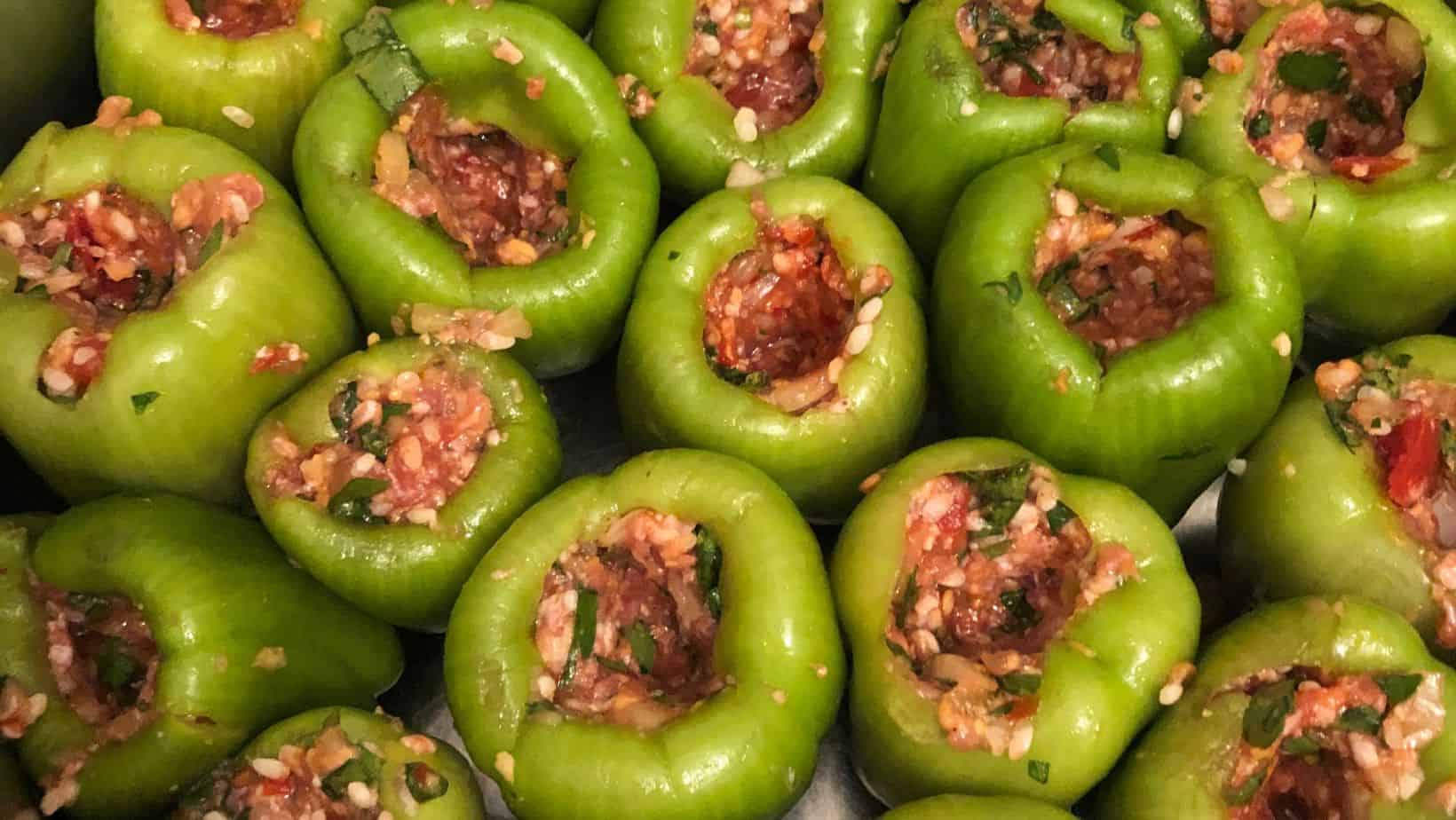
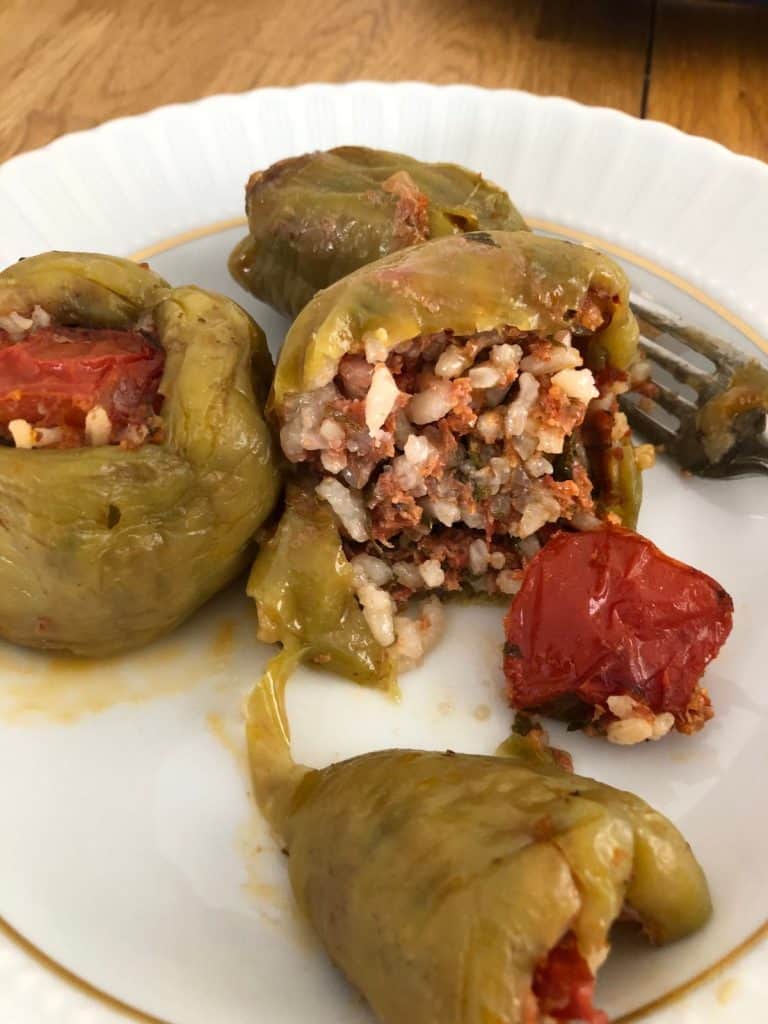
Dolma refers to vegetables stuffed with seasoned rice and herbs, usually peppers, tomatoes, or zucchini.
One of my personal favorites is kuru patlıcan dolması, made with dried eggplants, and dabak çiçeği dolması, made with the flower from zucchini.
The last time I visited Selçuk, we passed a woman selling strings of dried eggplants and homemade tarhana soup mix on the side of the road. It felt like one of those small moments that perfectly capture rural Turkish food culture.
Sigara Böreği (Filled Pastry Rolls)
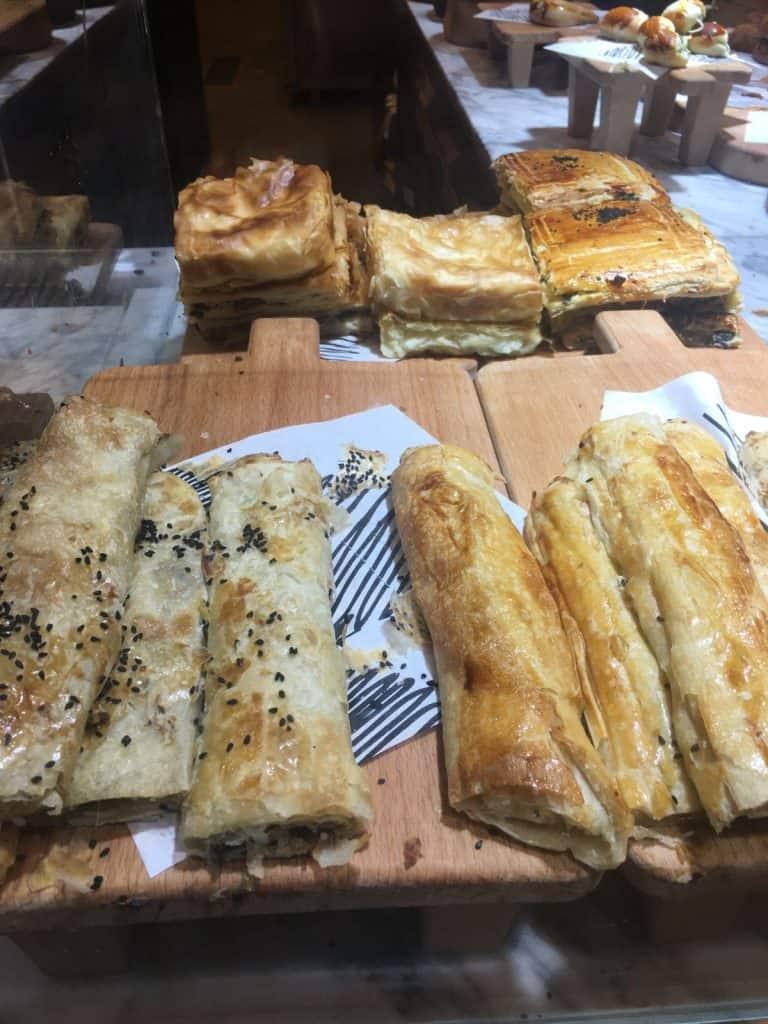
Sigara böreği are crispy filo pastry rolls often filled with cheese, though potato versions are commonly vegetarian and sometimes vegan.
They are one of the most popular snacks in Turkey, and dangerously easy to eat too many of. Don’t ask me how I know. If you are staying somewhere without a bakery nearby, you can even find frozen versions at markets like BİM or Migros.
Vegan Main Courses
Many traditional Turkish main dishes are built around beans, vegetables, rice, and olive oil rather than meat. These meals are hearty, comforting, and often feel more home-cooked than restaurant-focused.
Kuru Fasulye (Turkish Bean Stew)
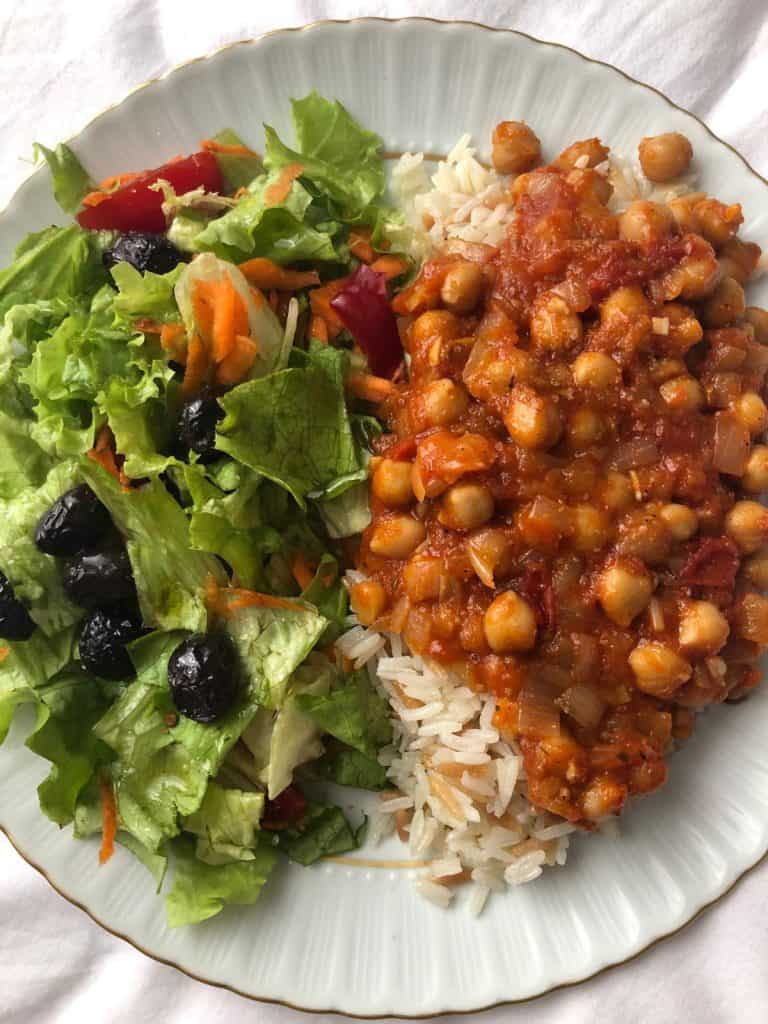
Kuru fasulye is one of the ultimate Turkish comfort foods. Made with white beans, tomato paste, onions, and spices, it is usually served with rice and eaten as a hearty everyday meal.
I first learned to make it from my Turkish roommate, and it quickly became one of the recipes I cooked most often at home. The long cooking time gives the beans an incredibly rich flavor despite the ingredients being very simple.
Imam Bayıldı (Stuffed Eggplant)
Imam bayıldı literally means “the imam fainted,” supposedly because the dish tasted so good.
It features eggplant stuffed with onions, tomatoes, garlic, and herbs, then slowly cooked in olive oil until incredibly soft and flavorful.
Before moving to Turkey, I had never really appreciated eggplant, but Turkish cooking completely changed that for me. Though I personally love its cousin, karnıyarık, which is stuffed with meat as well as veggies.
Pide (Turkish Flatbread Pizza)
Pide is Turkey’s version of flatbread pizza, baked long and oval-shaped with various toppings.
Vegetarian versions are usually topped with vegetables, herbs, and cheese, though vegan options are becoming easier to find in larger cities. It is one of the easiest foods to share with a group and always seems to appear during long Turkish dinners.
Pide is commonly served with a side of ayran (a yogurt-based drink), and it’s a great option for vegetarians who want to indulge in Turkish flatbread.

Mücver (Zucchini Fritters)
Mücver are crispy zucchini fritters made with herbs and flour, usually served as a meze or side dish.
Many restaurants add cheese or yogurt, so vegans should double-check ingredients before ordering. When done well, they are crispy on the outside, soft in the middle, and one of the most addictive vegetarian dishes in Turkey.
Turkish Street Foods
Turkey has some of the best street food cultures I have experienced anywhere. While many famous dishes contain meat, there are still several vegetarian and vegan options that make quick and affordable meals.
ÇİĞ Köfte (Raw Meatballs)
Çiğ köfte is one of the easiest vegan street foods to find throughout Turkey. Traditionally made with raw meat centuries ago. Thankfully, the version commonly sold on the street is fully vegan and made with bulgur, tomato paste, isot pepper, and spices.
I actually learned how to make çiğ köfte from scratch during a Turkish language camp, and that was the moment I realized how important isot pepper is to Turkish cuisine. I still crave dürüm wraps stuffed with çiğ köfte, lettuce, lemon, and pomegranate syrup.
SİMİT (Turkish Sesame Bread)
Simit is a sesame-covered bread ring often compared to a thinner bagel.
You can find it everywhere in Turkey, from ferry docks to street carts, though bakery versions are much fresher than the ones sitting on carts all day. One of my favorite simple breakfasts in Istanbul was fresh simit with cheese while watching the ferries cross the Bosphorus.
Turkish Vegetarian Desserts
Turkish desserts are famously sweet, rich, and often connected to celebrations or hospitality. While not every dessert is vegan-friendly, there are still a few traditional treats worth trying.
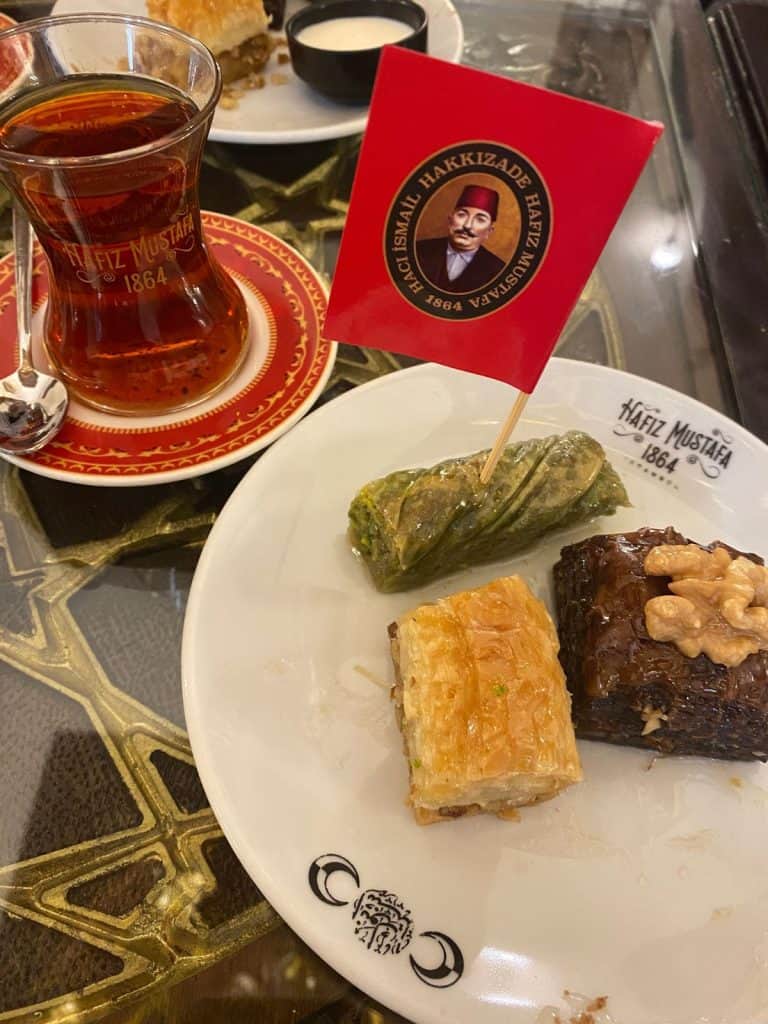
Vegan Baklava
Baklava is one of the most famous Turkish desserts, traditionally made with layers of filo pastry, nuts, butter, and syrup.
Vegan versions use plant-based margarine instead of butter and are becoming more common in Istanbul. They are not always easy to find, but Karaköy Güllüoğlu offers a vegan version that is genuinely worth trying.
Bal Kabağı Tatlısı (Candied Pumpkin)
Bal kabağı tatlısı is a pumpkin dessert slowly cooked in sugar syrup until soft and caramelized.
It is often served with tahini and walnuts, which help balance the sweetness. Honestly, I did not expect to enjoy a pumpkin dessert this much the first time I tried it, but the tahini completely elevated the flavor.
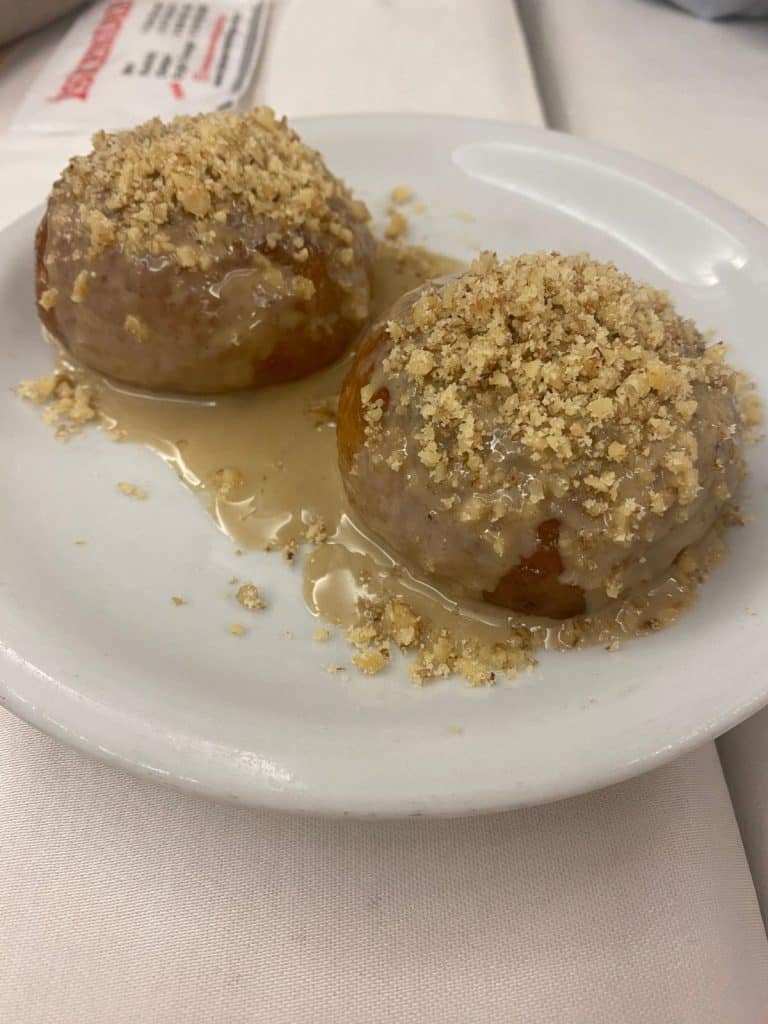
Lokma (Turkish Doughnuts)
Lokma are fried dough balls soaked in syrup and served during festivals, celebrations, and memorial gatherings.
One thing I found fascinating about Turkey is that lokma is sometimes handed out for free in memory of someone who passed away. It turns dessert into something deeply connected to community and tradition rather than just a sweet snack.
What Vegans Should Know Before Eating in Turkey
One thing I quickly learned while living in Turkey is that “vegetarian” does not always mean vegan.
Yogurt is extremely common in Turkish cuisine and is often added to dishes automatically, especially mezes, soups, and sauces. Butter is also used more often than many travelers realize, particularly in rice dishes, pastries, and restaurant cooking.
Even dishes that seem plant-based can sometimes contain small amounts of meat stock or hidden dairy, so it is always worth asking questions before ordering.
A few helpful Turkish words to know are:
- “etsiz” meaning without meat
- “vegan” for vegan
- “sade” meaning plain or simple
I also found that olive oil dishes called zeytinyağlı are usually the easiest vegan-friendly option in Turkey. These vegetable-based dishes are common throughout the country and are often some of the freshest and most flavorful foods on the table.
Honestly, once I learned what to look for, eating vegan in Turkey became much easier than I expected.
Vegetarian Turkish Dishes FAQs
Is TürkİYE vegan-friendly?
Yes! Turkish cuisine has a wide variety of vegan dishes, from appetizers and main courses to desserts. Many traditional dishes are naturally vegan or can be easily made vegan.
How healthy are Turkish vegan dishes?
Many Turkish vegan dishes are rich in plant-based protein, fiber, and essential nutrients. They focus on legumes, whole grains, fruits, and vegetables, making them both healthy and satisfying.
Can I cook Turkish vegan dishes at home?
Absolutely! Many Turkish vegan dishes are easy to make at home with the right ingredients. You can adapt the dishes to suit your preferences and dietary needs.
Can I find Turkish vegan dishes in restaurants or online?
Yes, many Turkish restaurants offer vegan options. It’s also possible to find online delivery services offering Turkish vegan dishes, depending on your location.
Eating Plant-Based in Türkiye
One of the things I appreciate most about Turkish food culture is that meals are meant to be shared slowly around a table with family and friends. Even simple dishes often feel comforting, flavorful, and deeply connected to tradition.
Living in Turkey gave me a much greater appreciation for vegetable-based cooking and for how satisfying simple ingredients can actually be when they are prepared well.
Some of the meals I still crave most are not the famous kebabs tourists usually think about, but the lentil soups, stuffed vegetables, fresh bread, olive oil dishes, and little neighborhood restaurants tucked away on side streets.
If you are a vegetarian or vegan and planning a trip to Turkey, you will definitely have options once you know what to look for. Honestly, trying these traditional dishes ended up becoming one of my favorite ways to better understand Turkish culture itself.
Planning a trip to Turkey?
- Summer in Istanbul is full of fun options
- Visiting Istanbul and need a 3-day itinerary? Read on…
- The Tulip Festival is a gorgeous display of flowers on display
- Don’t miss my favorite gifts to take home…
Turkey Vacation Basics
When I plan a trip these are the websites I use. I hope they help you plan your next adventure as well!
FLIGHTS: I am a huge fan of Skyscanner.
VISAS: You can use the free e-visa portal here but for a few extra dollars you can use iVisa and someone else will handle any issues that may come up.
E-SIM: When I traveled to SE Asia I discovered e-sims and I’m never going back. Airalo has been easy and cheap!
TRAVEL INSURANCE: I use TravelInsurance.com for my trips abroad.
CAR RENTAL: I have loved working with Discover Cars when I rent cars in country.
AIRPORT TRANSFERS: I have used these transfers many times and they are always great. If you’d like more options, I also recommend GetTransfers.com as they allow you to compare companies.
ACCOMMODATION: Find the best Turkey hotel deals on Booking.com.
CITY TOURS & DAY TRIPS: You can browse GetYourGuide’s website to find just the tour you’re looking for! We also recommend the MegaPass for major cities.
