
Traditional Turkish Food: 8 Dishes You Need to Try
The Art of Living in Turkey contains affiliate links and is a member of the Amazon Services LLC Associates Program. If you make a purchase using one of these Amazon links, I may receive compensation at no extra cost to you. See my Disclaimers for more information.
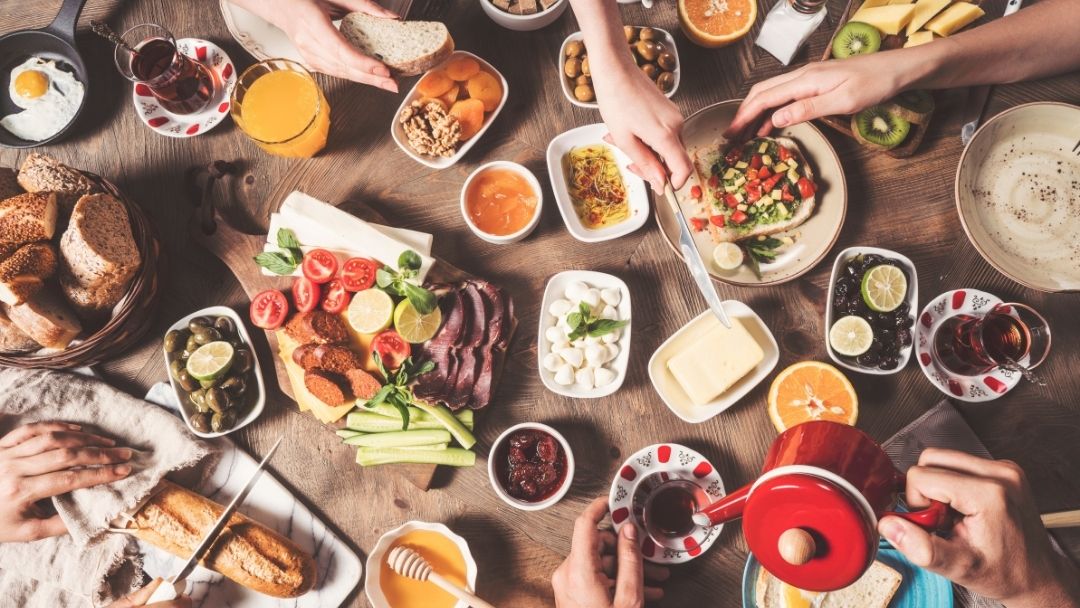
Traditional Turkish food is deeply woven into everyday life, from long breakfasts and late-night döner runs to endless glasses of tea shared around the table.
Meals here are rarely rushed. Breakfast can last for hours, soup is often served before the main dish, and even a simple dinner can quickly turn into a table overflowing with bread, tea, salads, mezes, and dishes meant to be shared.
Before living here, I thought I had already tried Turkish food. I had eaten döner abroad, tasted baklava, and assumed I more or less understood the cuisine. But eating these dishes in Turkey completely changed my perspective.
The vegetables tasted fresher, the bread was better, and the regional differences between cities were much bigger than I expected. Some dishes immediately became staples in my routine, while others took a little getting used to.
From rich kebabs and comforting soups to massive Turkish breakfasts and smoky eggplant dishes, Turkish cuisine became one of my favorite parts of living here.
If you are visiting Turkey for the first time, these are the traditional dishes I think are most worth trying.
What Is Traditional Turkish Food?
Traditional Turkish food is incredibly diverse, shaped by Turkey’s different regions and centuries of Ottoman influence. While kebabs and grilled meats are famous, Turkish cuisine also includes vegetables cooked with olive oil, soups, mezes, yogurt, breads, grains, and an enormous breakfast culture.
The food varies significantly by region. The Black Sea is known for its own distinctive ingredients and dishes, southeastern Turkey for bold flavors and kebabs, and the Aegean and Mediterranean regions for fresh vegetables, olive oil, and seafood. Central Anatolia has its own hearty regional specialties as well.
Çiya Sofrası is one of my favorite places to eat when I am in Kadıköy. The owner spent years traveling to remote villages across Turkey, collecting recipes and learning traditional cooking methods to help preserve regional food culture.
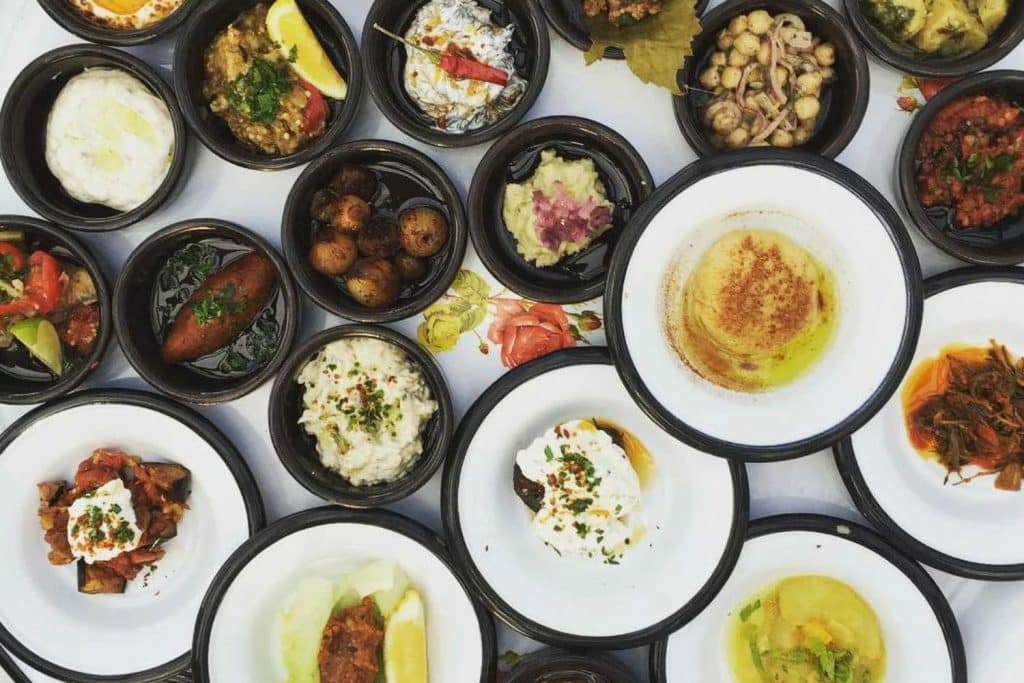
That variety is one of my favorite things about eating in Turkey. These are eight traditional Turkish foods I think are especially worth trying.
8 Traditional Turkish Foods You Need to Try
Turkish Breakfast
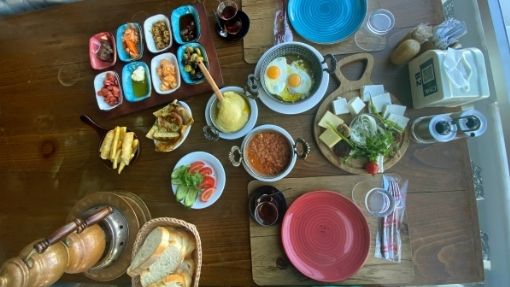
Turkish breakfast was one of the biggest surprises for me after moving here. Instead of one main dish, breakfast usually includes dozens of small plates filled with cheeses, olives, tomatoes, cucumbers, eggs, breads, jams, honey, and pastries.
What I love most is how social the experience feels. Breakfast in Turkey is not rushed. People sit for hours drinking endless glasses of tea and slowly sharing food together.
One of my favorite versions comes from the Black Sea region, where the flavors feel richer and more unique than breakfasts I have tried elsewhere in the country.
Beyran Çorbası
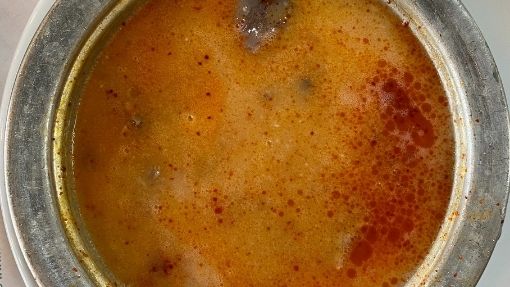
Turkey has so many incredible soups, but Beyran Çorbası quickly became one of my favorites.
Originally from Gaziantep, this rich soup is made with lamb, garlic, rice, and Aleppo pepper simmered into a flavorful broth. It is hearty, slightly spicy, and surprisingly comforting.
One thing that surprised me is that many people eat this soup for breakfast, especially during colder months or when they feel sick, because of the garlic and bone broth.
Most soups in Turkey are served with lemon, and while I personally do not love lemon in soup, Turks absolutely do. If you try Beyran, I recommend testing at least one bite with a squeeze of lemon.
Consider a food tour to experience lots of different options!
Döner
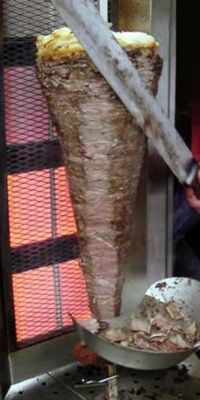
Döner is one of the most popular foods in Turkey and one you can find almost everywhere, from tiny street shops to upscale restaurants.
Thin slices of meat are cooked on a vertical rotisserie and served in wraps, sandwiches, or over rice. Different regions have their own styles and flavors, which makes trying döner in different cities surprisingly fun.
One important thing to know is that Turks do not call it a gyro, so I would avoid making that comparison while you are here.
If you are in Kadıköy, I highly recommend Tatar Salim. Their döner is incredible, especially paired with an açık ayran, which is a fresh yogurt drink served in a glass.
If you find yourself in Ankara, make sure you check out Antakya 368. This is one of my favorite döner wraps I have had in Turkey.
Pide – Turkish Pizza
Pide is often called Turkish pizza, though it has its own distinct style and flavors.
The dough is shaped like a long boat and filled with toppings like cheese, ground beef, vegetables, eggs, or sucuk (Turkish sausage).
Different regions have their own variations, especially in the Black Sea region, where you will sometimes find anchovies baked into the pide.
I enjoy most kinds of pide, though I still cannot fully get behind the Turkish obsession with putting corn or eggs on pizza.
Adana Kebap
Kebaps, or kebabs as Americans call them, also change depending on the region. While you can find the Adana Kebab across Turkey, it is from the city of Adana.
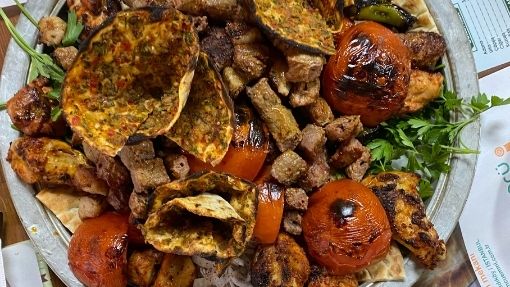
Adana kebap is one of my favorite Turkish dishes and one I order constantly when eating out.
Originally from the city of Adana, this spicy kebab is made with minced lamb, peppers, and fat grilled over charcoal. It is usually served with roasted vegetables, fresh herbs, onions with sumac, and lavaş bread.
One thing I love about Turkish food culture is how interactive the meal feels. My favorite way to eat Adana kebap is by mashing the roasted peppers and tomatoes into the bread, adding the meat and onions, and rolling everything into a small wrap.
Most people drink ayran with kebabs, though şalgam, a fermented purple carrot drink, is also popular with an Adana kebab.
Hünkarbeğendi
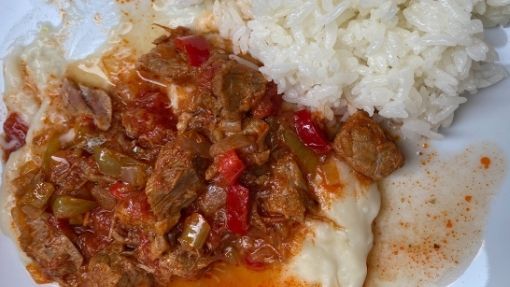
Hünkarbeğendi quickly became one of my favorite Turkish dishes because it completely changed my opinion of eggplant.
The dish combines roasted eggplant purée with tender meat cooked in a rich tomato-based sauce. The eggplant becomes creamy and comforting, almost like mashed potatoes, but with a smoky flavor.
I also love how flexible this dish is. I have made versions at home with beef, mushrooms, peppers, and whatever vegetables I happened to have in the fridge.
Ezogelin Soup
Ezogelin, a great vegetarian option, is one of the most common soups you will find in Turkey and is often served before the main meal.
Made with lentils, rice, bulgur, and spices, it is warm, filling, and especially popular during the winter. Soup culture in Turkey surprised me at first because so many meals begin with soup regardless of the season.
This is usually one of the safest and easiest Turkish soups for visitors to try first.
Imam Bayildi
Imam Bayıldı is a traditional Turkish eggplant dish whose name literally translates to “The Imam Fainted.”
I love how literal and dramatic many Turkish food names are, and this one always makes me laugh. According to legend, an imam fainted after tasting the dish because it was so delicious.
The dish is made with eggplant stuffed with onions, tomatoes, garlic, and olive oil, then slowly cooked until soft and flavorful. It is usually served at room temperature, especially during summer.
FAQs About Turkish Food
What is the most famous food in Turkey?
Kebabs are probably the most internationally famous Turkish foods, but Turkish breakfast, pide, baklava, soups, and mezes are also incredibly popular throughout the country.
What is a traditional Turkish breakfast?
Traditional Turkish breakfast includes small shared plates of cheese, olives, tomatoes, cucumbers, eggs, bread, jams, honey, pastries, and endless glasses of Turkish tea.
Is Turkish food spicy?
Most Turkish food is not extremely spicy, though some regional dishes from southeastern Turkey like Adana kebap or Beyran soup can have a bit more heat.
What food should I try first in Turkey?
If it is your first time visiting Turkey, I would personally recommend trying Turkish breakfast, döner, pide, Adana kebap, and at least one traditional soup.
Is Turkish food vegetarian-friendly?
Turkey has many vegetarian dishes, especially those made with eggplant, lentils, olive oil, yogurt, beans, and seasonal vegetables.
Why is Turkish food so good?
One thing that makes Turkish food stand out is the emphasis on fresh ingredients, regional cooking traditions, and slow shared meals centered around hospitality and community.
Things to Know Before Eating in Turkey
Something that surprised me is how important bread is at every meal. Even when it does not seem like it matches the dish, there is always bread on the table. If you are hosting Turkish guests, having bread available is usually a good idea.
Another cultural difference I noticed is that many meals begin with soup, even during warmer months. Ezogelin and lentil soup are especially common starters before the main dish arrives.
Turkish meals also tend to feel much slower and more social than what I was used to growing up. People linger around the table drinking tea, sharing dishes, and talking long after the meal itself is finished.
If you order drinks at restaurants, just know that free refills are generally not a thing in Turkey. You are usually charged per drink ordered.
And finally, if someone offers you food, tea, or dessert when visiting their home, it is considered polite to at least accept a little.
Hospitality is a huge part of Turkish culture, and sharing food is one of the main ways people show care and generosity.

Why Turkish Food Stays With You
Turkish food became one of my favorite parts of living here because every meal feels tied to culture, hospitality, and community.
Some of my best memories in Turkey involve long breakfasts with endless tea, tiny neighborhood soup shops, late-night döner runs, and crowded tables filled with dishes everyone shares together.
And while dishes like kebabs, pide, and baklava may be the most internationally famous, I think the real magic of Turkish food is found in the small everyday moments surrounding it.
Whether you are trying rich soups in Gaziantep, sharing a massive Turkish breakfast along the Black Sea, or grabbing a quick döner while wandering through Istanbul, food becomes one of the easiest ways to connect with everyday life in Turkey.
And if you are anything like me, some of those flavors and meals will stay with you long after the trip itself is over.
Planning a trip to Turkey?
- Read more about Halloween in Turkey
- There are a handful of TV shows in Turkish that will help understand the culture a bit
- There are a few apps that I recommend before you travel
- Looking for a water bottle? I use EPIC Water Filters
Turkey Vacation Basics
When I plan a trip these are the websites I use. I hope they help you plan your next adventure as well!
FLIGHTS: I am a huge fan of Skyscanner.
VISAS: You can use the free e-visa portal here but for a few extra dollars you can use iVisa and someone else will handle any issues that may come up.
E-SIM: When I traveled to SE Asia I discovered e-sims and I’m never going back. Airalo has been easy and cheap!
TRAVEL INSURANCE: I use TravelInsurance.com for my trips abroad.
CAR RENTAL: I have loved working with Discover Cars when I rent cars in country.
AIRPORT TRANSFERS: I have used these transfers many times and they are always great. If you’d like more options, I also recommend GetTransfers.com as they allow you to compare companies.
ACCOMMODATION: Find the best Turkey hotel deals on Booking.com.
CITY TOURS & DAY TRIPS: You can browse GetYourGuide’s website to find just the tour you’re looking for! We also recommend the MegaPass for major cities.
